
Destination dupes are lesser-known places that deliver the same vibe as famous destinations at a fraction of the cost and crowds. Travellers who swap a headline city for its dupe save an average of $2,262 per trip while getting rawer, more photogenic, less saturated places. The dupes in this guide are organised by aesthetic type so you can match the vibe you want without the Santorini premium.
Key Takeaways
- Porto replaces Paris for the romantic European café aesthetic at roughly half the daily cost ($55–90 vs $120–180).
- Naxos and Milos replace Santorini: same Cycladic whitewash, 40–55% cheaper, a fraction of the cruise-ship crowds.
- Tbilisi replaces Prague and Edinburgh for dark academia at $25–45/day vs $80–150 — with denser architectural variety and fewer tourists.
- Lombok and the Gili Islands replace Bali for the tropical ritual aesthetic without the Canggu selfie traffic.
- The Albanian Riviera replaces the Amalfi Coast for cliff-hung Mediterranean villages at $35–65/day instead of $130–200.
- Taipei replaces Tokyo for the cyberpunk neon aesthetic at 30–40% lower daily cost, with equivalent signage density and night-market energy.
Two photos of the same scene: whitewashed walls, blue-domed churches, a view across the water. One is Santorini. One is Naxos. The first costs three times as much to reach, twice as much to stay in, and requires booking six months in advance to get anywhere near a decent sunset view. The second is 40 minutes away by ferry, half the price, and just as beautiful.
That gap is the destination dupe in action.
Destination dupes are not second-best alternatives. They are the places that deliver the same feeling as a famous destination without the premium you pay for the name recognition. According to Condé Nast Traveller's 2026 travel trends report, destination dupes are the most-searched travel concept of the year. A recent consumer survey found that swapping a headline destination for its dupe saves travellers an average of $2,262 per trip. More importantly for aesthetic travellers: the dupes are almost always less crowded, more authentic, and better for photography.
This guide organises the best dupes by aesthetic type. If you've already identified your travel aesthetic, you can go straight to the section that matches your vibe.
Why do destination dupes work better for aesthetic travellers?
The most famous destinations have a problem: everyone is photographing the same things from the same angles. The Santorini sunset shot has been taken 400 million times. The Seine riverbank photo exists in every photographer's archive. These places are still beautiful but the visual saturation makes it almost impossible to take a photo that looks like yours.
Dupe destinations solve this. The vibe is identical. The crowds are not.
Porto is the romantic European café aesthetic without the Paris price tag and without the Montmartre tourist density. Plovdiv is Gothic cobblestone charm without the Prague stag party weekends. Lombok is emerald ocean and rice terraces without the Bali selfie traffic.
The aesthetic you're chasing lives in the texture of a place: old stone, ocean colour, neon density, slow pace. These qualities are not exclusive to the famous version. The dupe has them too, often in rawer, more photogenic form.
The best aesthetic destination dupes in 2026
| Original | Dupe | Aesthetic | Cost Saving |
|---|---|---|---|
| Paris | Porto, Portugal | Romantic European | 50–60% cheaper |
| Santorini | Naxos or Milos, Greece | Cycladic whitewash | 40–55% cheaper |
| Bali | Lombok, Indonesia | Tropical ritual | 30–50% cheaper |
| Prague | Tbilisi, Georgia | Dark academia/Gothic | 60–70% cheaper |
| Amalfi Coast | Albanian Riviera | Dramatic coastal | 50–65% cheaper |
| Tokyo | Taipei, Taiwan | Neon city aesthetic | 30–40% cheaper |
| Edinburgh | Plovdiv, Bulgaria | Dark academia/cobblestone | 55–65% cheaper |
| Barcelona | Tbilisi or Porto | Creative cosmopolitan | 50–60% cheaper |
These percentages are approximate daily budget comparisons including accommodation and food, based on 2026 travel data from Skyscanner's destination pricing index.
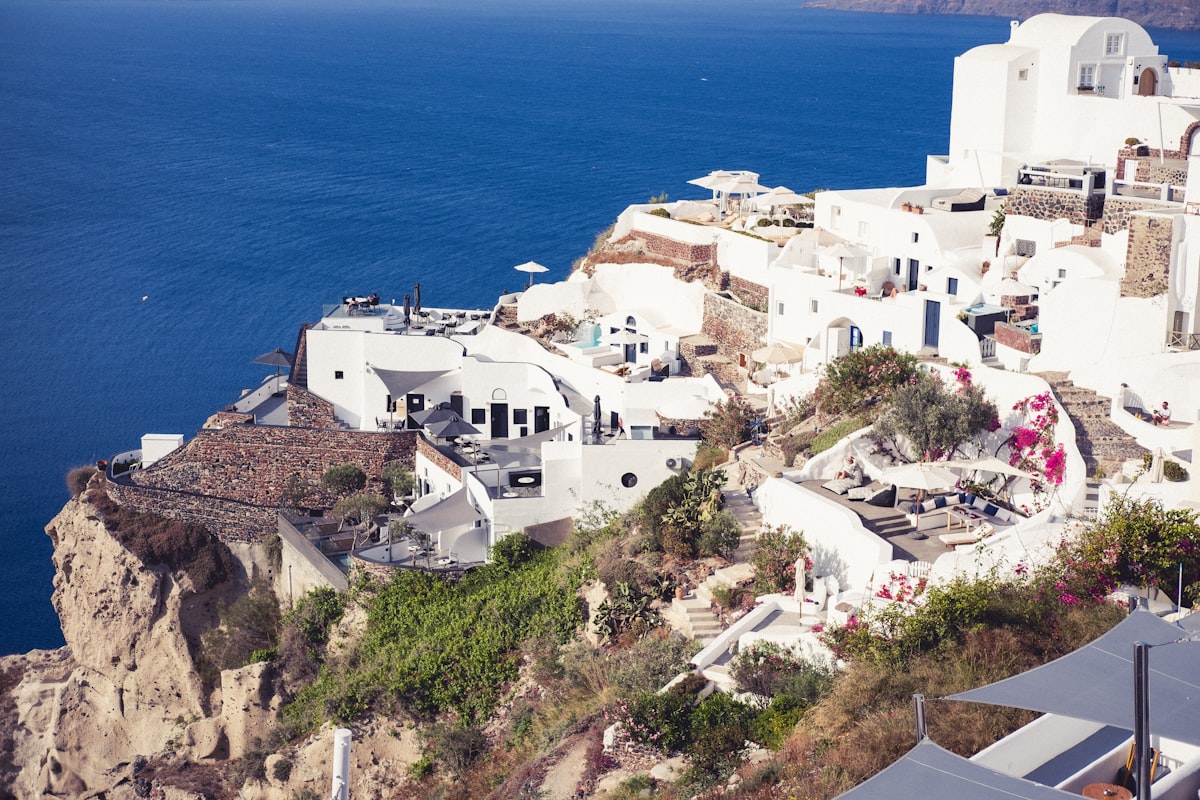 Photo by
 Which dark academia and Gothic cobblestone dupes work best?
Prague → Tbilisi, Georgia
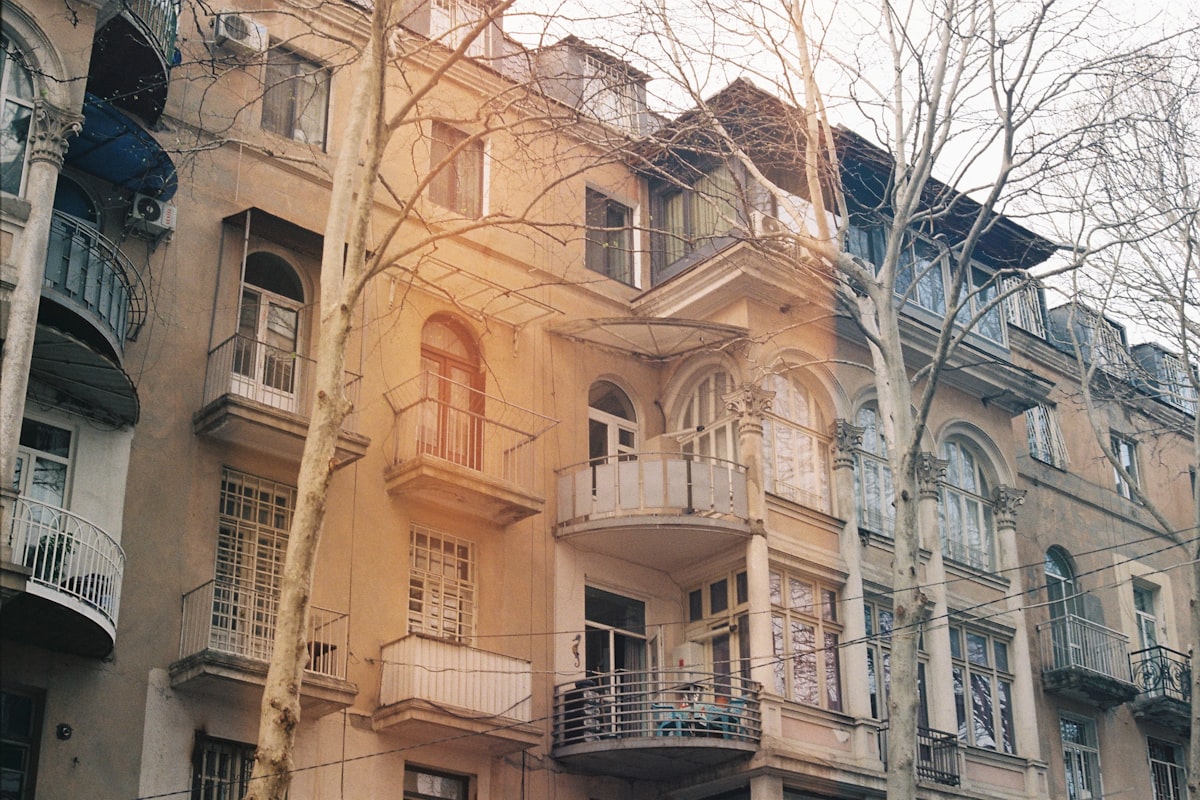
Prague's dark academia aesthetic is its old town: centuries-old stone buildings, winding cobblestone lanes, candlelit wine bars below street level. Tbilisi has all of this: distinctive Soviet-era architecture, carved wooden balconies, and a wine culture that predates most European wine regions by millennia.
The cost gap is significant. Prague's daily budget runs approximately $80–120. Tbilisi runs $25–45 for the same standard of experience. The old Tbilisi neighbourhood of Abanotubani, with its sulphur bath houses and cave churches built into the cliff face, offers aesthetic density that central Prague cannot match in photographic terms.
For accommodation: Stone guesthouses in the old town Kala neighbourhood often cost $30–60/night and deliver more architectural character than Prague's mid-range hotels at $120–180. Find them via Airbnb's "unique stays" filter for Tbilisi.
Edinburgh → Plovdiv, Bulgaria
Edinburgh is the world's dark academia capital but it knows it. The prices reflect the reputation. Plovdiv, Bulgaria's second city, sits on seven hills above the Maritsa River with a preserved old town of 18th-century houses painted in jewel colours over foundations that date to Thracian settlement. The Kapana creative quarter ("the trap," so-called because people keep wandering in and not coming out) is Edinburgh's equivalent neighbourhood at a fraction of the cost.
Daily budget in Plovdiv: $30–55. Edinburgh: $100–150. Both deliver Gothic atmosphere, independent bookshops, and the kind of coffee shop that deserves to be in a novel.
Read the full Dark Academia Travel Guide: Gothic Cities and Candlelit Streets for a deeper look at this aesthetic.
Which romantic European aesthetic dupes are worth the swap?
Paris → Porto, Portugal
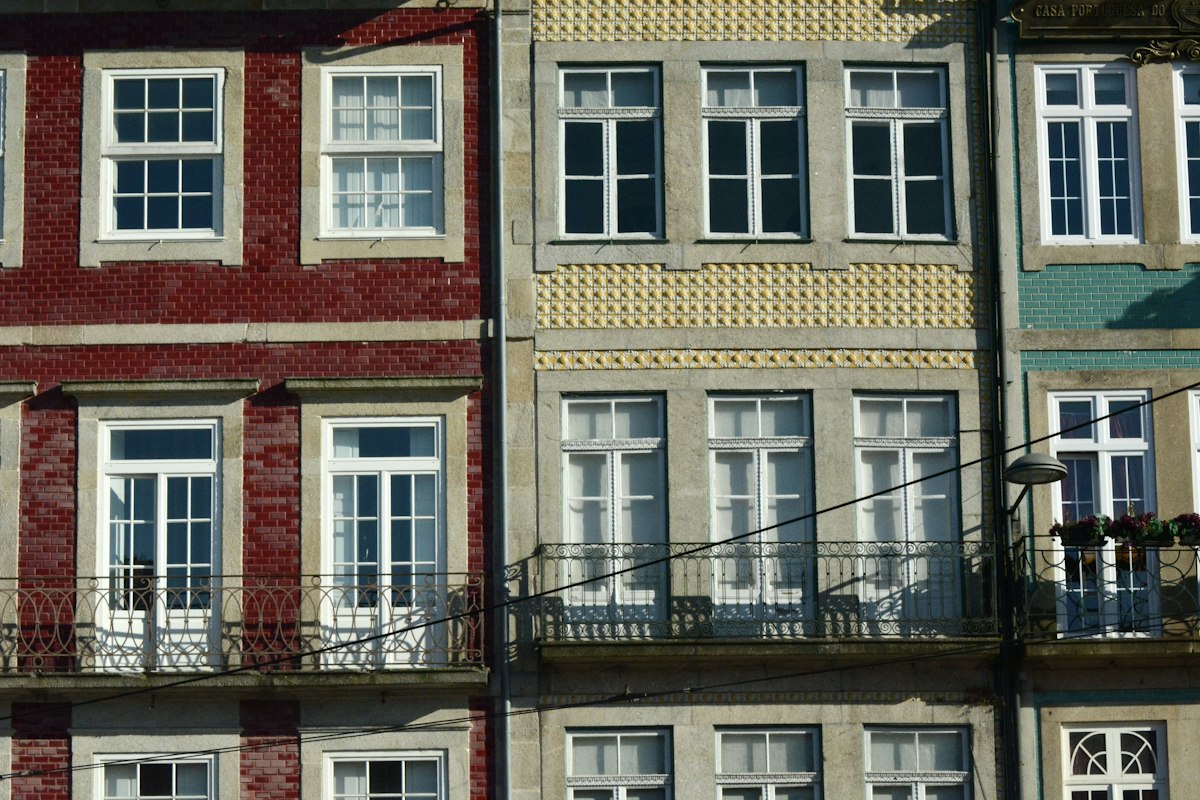
Porto delivers everything the romantic European café aesthetic promises: wrought-iron balconies over cobblestone streets, river views from ancient bridges, wine in candlelit cellars, Art Nouveau tiled buildings that stop you mid-stride. It does this at approximately half the Paris daily budget ($55–90 vs $120–180) and with a fraction of the tourist density outside of summer weekends.
The Ribeira waterfront, the Foz neighbourhood beach bars, and the Livraria Lello bookshop (one of the most photographed interiors in Europe) deliver a photographic richness that the Instagram-saturated Paris grid cannot match in originality. Porto is in almost every budget aesthetic photography feed for this reason.
For dupes within dupes: Braga, 55km north of Porto, is Porto at half the price with equivalent architectural beauty and essentially zero international tourist crowds outside the Bom Jesus sanctuary. The city's Sé Cathedral and surrounding medieval quarter photograph well at any time of day, and daily accommodation in Braga's guesthouses runs $30–55 vs Porto's $60–100. Both cities are connected by frequent trains ($4, 1 hour).
Santorini → Naxos or Milos, Greece
Santorini's whitewashed-and-blue-dome aesthetic is real but so is its overtourism problem: 10,000+ cruise passengers arriving daily in peak season, cliffs lined with identical sunset platforms, restaurants with views charging four times the food quality.
Naxos is 40 minutes from Santorini by fast ferry and quieter by a factor of ten. The whitewash, the Cycladic architecture, the sea colour: all present. Naxos adds marble mountain villages, long beach stretches without sunbed congestion, and the photogenic kastro neighbourhood that most Naxos visitors never find.
Milos goes further: volcanic rock formations, remote coves with translucent water, and villages that look exactly like Santorini did before the cruise ships arrived. Daily budget: $60–100 vs Santorini's $130–200.
Which tropical and coastal dupes deliver the Bali and Amalfi vibe?
Bali → Lombok, Indonesia
Bali's tropical ritual aesthetic (rice terraces, temple gates, jungle walks, incense at dawn) is real, but so is the tourist density around Ubud and Canggu. The vibe is still there but you will share it with a lot of people.
Lombok, 35km east of Bali by fast boat, offers the same volcanic landscape, surf culture, and spiritual atmosphere. The Gili Islands (Gili Air, Gili Meno) have the white sand, turquoise water, and slow-pace aesthetic without cars or motorised vehicles. Mount Rinjani, Lombok's volcano, is a more serious hike than Bali's Agung but produces more dramatic photography.
Daily budget in Lombok: $30–60. Bali (outside budget homestay zone): $50–100+. For guided experiences on either island, GetYourGuide lists vetted tours and day trips across both Bali and Lombok.
Amalfi Coast → Albanian Riviera
The Amalfi Coast's aesthetic is cliff-hung villages, turquoise water, and dramatic vertical geography. It is also one of the most expensive and logistically difficult stretches of coastline in Europe during summer.
The Albanian Riviera runs along the Ionian coast south of Vlorë: the same cliff geometry, identical water colour, villages built into rock faces, and a food culture based on the same Mediterranean ingredients. Daily budget: $35–65 vs Amalfi's $130–200.
The Riviera is almost completely undeveloped by comparison, which for aesthetic travellers means better photography angles and far fewer people in the frame. The village of Himara sits on a headland above a long pebble beach with a 16th-century castle overhead and clear water directly below it. Ksamil, at the southern end near the Greek border, has small islands 200 metres offshore with sand beaches accessible by kayak. Neither appears in the mainstream travel media yet, which for photographers is the point.
What to know before you go: Albanian coastal buses run from Vlorë to Sarandë along the Riviera road for under $5. Accommodation ranges from family-run guesthouses at $20–40/night to small boutique properties at $60–100. Credit card acceptance is limited outside hotels: carry euros or Albanian lekë for food and transport. Ferry connections from Sarandë to Corfu (40 minutes, $20–30) make it easy to combine with a Greek island leg.
Which neon city and cyberpunk dupes rival Tokyo?
Tokyo → Taipei, Taiwan
Tokyo's cyberpunk neon aesthetic (dense layered signage, street food alleys, trains running at midnight, the particular hum of a city operating at full capacity) also exists in Taipei at approximately 30–40% lower daily cost.
Taipei's Ximending district is Harajuku without the queue. The Raohe Night Market delivers the street food density of Shibuya's basement food halls at street-food prices. The neon layers of Zhongzheng and Wanhua districts produce the same photography as Tokyo's Kabukicho at significantly lower barrier to entry for budget travellers.
Daily budget in Taipei: $40–70. Tokyo: $80–130 with planning, $150+ without.
Read the full Y2K Travel Guide for retro neon destinations and the full Cyberpunk Travel Guide for Seoul, Taipei, and beyond.
Travel Anywhere plans your full dupe trip: destination, accommodation, and aesthetic experiences.
Which creative and cosmopolitan dupes rival Barcelona?
Barcelona → Porto or Tbilisi
Barcelona's creative cosmopolitan aesthetic is the one most difficult to replicate exactly: it combines Gothic quarter architecture, beach access, a serious food culture, and an arts scene dense enough to hold a week's worth of gallery visits. The price for all of this in 2026 runs $110-$170/day including mid-range accommodation.
Porto handles the Gothic architecture, food culture, and arts scene elements exceptionally well at roughly half the cost. The city's contemporary arts scene: the Serralves museum and its park, the Maus Hábitos creative space, the independent gallery cluster around Rua Miguel Bombarda: competes directly with Barcelona's Raval neighbourhood for density of creative output per square mile. Budget in Porto: $55-$90/day.
Tbilisi takes a different approach to the same brief. The Georgian capital's creative quarter, Fabrika (a converted Soviet sewing factory turned co-working and bar complex), and the Vera neighbourhood's gallery-café scene have attracted a significant wave of European artists and designers over the past four years. The draw is the same as Barcelona's creative pull, but the cost: $25-$45/day makes Tbilisi the better option for travellers who want to stay long enough to actually participate in the scene rather than just observe it.
For both dupes: The creative cosmopolitan aesthetic rewards longer stays. Book an apartment rather than a hotel. In Porto, search the Bonfim or Cedofeita neighbourhoods. In Tbilisi, search the Vera or Vake districts.
How do you find your dupe? A decision framework
Start with the aesthetic, not the destination. If you know you want dark academia cobblestone streets, the question is not "do I go to Prague?" It's "which version of this aesthetic do I want to experience and what is my budget?"
Two questions to filter before booking any dupe destination:
Daily spend ceiling: What is your maximum daily budget including accommodation and food? This is the primary filter: it determines whether you're choosing between Porto and Paris ($55-$90 vs $120-$180) or between Plovdiv and Edinburgh ($30-$55 vs $100-$150).
Crowd tolerance: Some dupes are only slightly less crowded. Naxos in August is not quiet. Plovdiv in summer has its own tourist season now. The raw dupes (Tbilisi, Milos, Albanian Riviera, Lombok's remote end) offer the least tourist density but may require more planning.
For the full breakdown of the cheapest destinations with the strongest aesthetics, read the Budget Aesthetic Travel guide.
FAQ: Destination Dupes for Aesthetic Travellers
What is a destination dupe?
A destination dupe is a place that delivers the same visual and emotional experience as a famous destination at a lower cost and with fewer tourists. The term gained mainstream traction in 2025–2026 as travellers increasingly prioritised authenticity and value over brand-name destinations.
Is Porto really as good as Paris?
For the romantic European café aesthetic, Porto competes directly. The architecture, river views, cobblestone streets, and wine culture are all present. The key difference is scale: Porto is a smaller city with a more concentrated aesthetic density. Most travellers who visit for aesthetic reasons prefer it to Paris for photography precisely because it is less photographed.
Which destination dupe is best for aesthetic travel photography?
Tbilisi produces some of the most distinctive travel photography in the world right now, precisely because it combines architectural styles (Persian, Russian Empire, Art Nouveau, Soviet) that do not exist together anywhere else. For photographers specifically, the dupe almost always outperforms the original because the original has been fully documented.
What is the best Santorini dupe?
Milos is the best dupe for photographic quality and quiet. Naxos is the best for accessibility, budget, and combining beach time with village exploration. Both are accessible from Athens by ferry or from Santorini directly.
Are destination dupes actually cheaper?
Yes, significantly. According to consumer research cited by Time Out's 2026 dupe guide, travellers save an average of $2,262 per trip by choosing a dupe over a headline destination. The saving comes from flight cost, accommodation, and day-to-day expenses combined.
How do I find accommodation in a destination dupe?
Use Airbnb and filter by "unique stays" in the dupe city. Character properties (stone guesthouses, old town apartments, cave hotels) are available at dramatic discounts compared to equivalent properties in the original destination. Search with descriptive keywords: "courtyard", "historic", "stone", "old town".
Sources
- Condé Nast Traveller — 2026 travel trends and destination dupes coverage
- Time Out — 2026 destination dupe guide
- UNESCO World Heritage List — historic quarters referenced (Hoi An, Old Town Plovdiv, Tbilisi)
- Skyscanner Travel Insights — destination pricing and trends index
- European Travel Commission — destination crowd data and seasonality reports
The most powerful thing about destination dupes for aesthetic travellers is this: the version everyone ignores is often the version that delivers the aesthetic most purely. Tbilisi is Prague before the stag weekends arrived. Lombok is Bali before the wellness influencers. The Albanian Riviera is the Amalfi Coast before the cruise ships. The dupe is not the consolation prize. It is frequently the better version of the thing you were looking for.
Ready to make this trip happen? Travel Anywhere plans and books everything from start to finish.
Some links in this post are affiliate links. We earn a small commission at no extra cost to you.

Rachel Caldwell — Editorial Director, TravelAnywhere
Rachel Caldwell is the Editorial Director of TravelAnywhere. She leads the editorial team behind every guide on travelanywhere.blog, focusing on primary research, honest budget math, and recommendations the team would book themselves. Last reviewed March 27, 2026.