
Glowmad travel is 2026's breakthrough beauty trend: trips built around clinic-grade facials, cultural beauty rituals, or ingredient-led wellness in places where the experience is either unavailable or dramatically cheaper than at home. The seven destinations that matter right now are Seoul, Istanbul, Marrakech, Kyoto, Budapest, Kerala, and Thailand — each offering something no Western spa can replicate.
Key Takeaways
- Seoul's K-beauty clinics in Apgujeong and Garosu-gil deliver dermatology-grade treatments at 20–30% of London prices — a glass skin facial runs $60–120 in Seoul vs $250–450 in London.
- Cultural beauty destinations (Istanbul hammam, Marrakech riad, Kyoto ryokan, Kerala Ayurveda) cannot be replicated outside their original context; they trade on generational technique and location-sourced ingredients.
- Monsoon season (June–September) is actually the prime window for Kerala Ayurvedic treatment because humidity opens pores and maximises herbal-oil absorption.
- Accommodation is part of the treatment — for glowmad trips, the riad, ryokan, or wellness retreat is as important as the clinic booking.
- Skyscanner identified glowmad as the fastest-growing 2026 trend in the under-35 segment, with 27% of Gen Z travellers now planning beauty treatments as part of their trips.
The aesthetician in Seoul's Apgujeong district holds a device the size of a remote control to your cheek. A screen shows a cross-section of your skin: pore depth, hydration percentage, UV damage by layer. She speaks quietly in Korean, gestures at two trouble spots, and hands you a printed treatment plan. This consultation costs 12,000 won. The facial she then recommends runs 85,000 won (about $62). In London, the same analysis and procedure would cost upwards of $380.
This is what glowmad travel looks like in practice. Not a spa day bolted onto a beach holiday. A trip built around a visible result, delivered by some of the world's most advanced beauty cultures, at prices that make Western clinics feel almost comically overpriced.
Glowmad is Skyscanner's term for the 2026 travel trend they identified as the fastest-growing in the under-35 segment: beauty tourism as a primary reason to travel, not an afterthought. According to Marie Claire's 2026 beauty travel report, 27% of Gen Z travellers now plan beauty treatments and skincare experiences as part of their trip. The destinations they're choosing are not luxury resorts. They're Seoul, Istanbul, Marrakech, Kyoto, Budapest, Kerala, and Thailand. Each one offers something no Western clinic can replicate: cultural ritual, generational knowledge, and ingredients sourced where they grow.
This guide covers all seven. Travel Anywhere plans your full glowmad itinerary: destination, clinics, accommodation, and treatments.
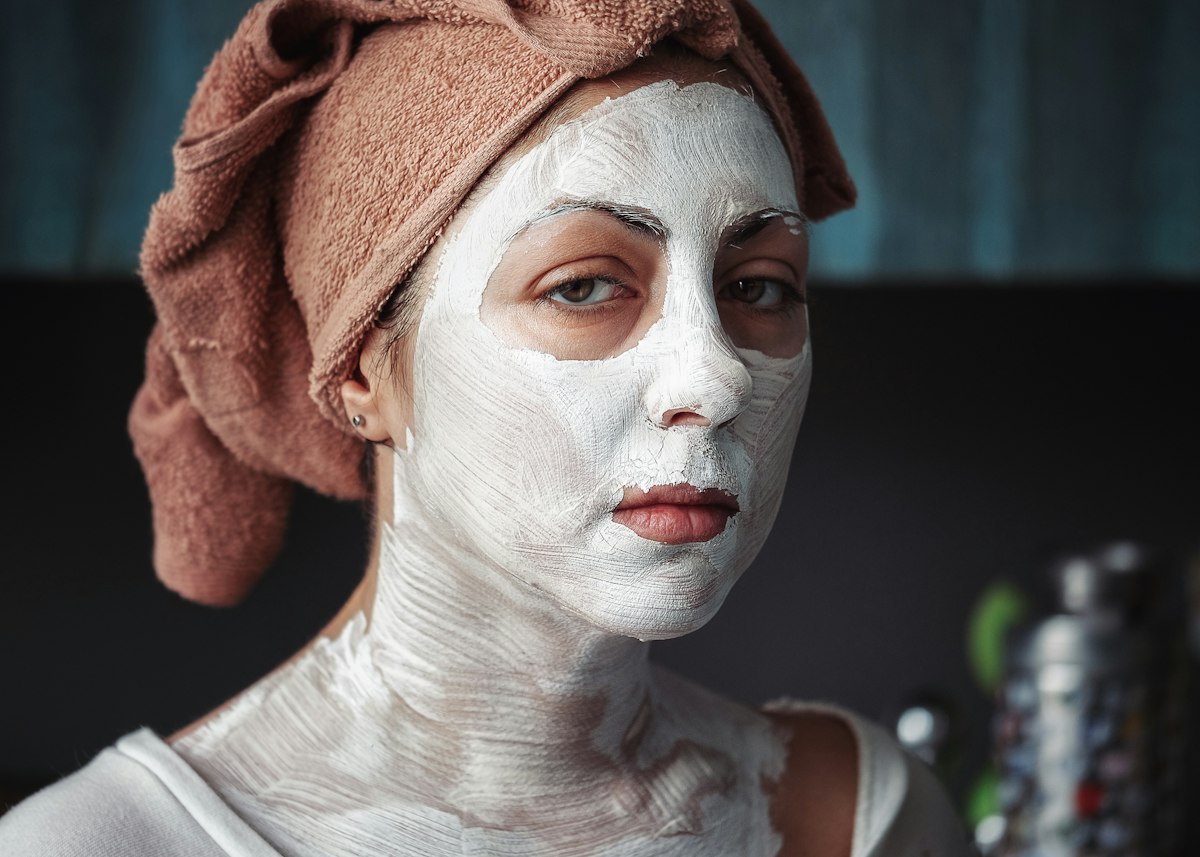
What Is Glowmad Travel?
Glowmad travel is any trip where beauty treatment, skincare, or wellness ritual is the central reason for going. Not a spa hotel with a decent menu. A destination chosen specifically because it delivers a beauty experience unavailable or unaffordable at home.
The trend has three distinct layers:
Clinical beauty tourism: Travelling for clinic-grade procedures (facials, micro-needling, RF lifting, scalp analysis) at specialist clinics in destination countries. Seoul is the world capital of this category.
Cultural beauty ritual: Immersing in the traditional beauty practices of a destination: Turkish hammams, Moroccan argan rituals, Japanese onsen, Indian Ayurveda. These experiences cannot be replicated outside their cultural context.
Ingredient-led wellness: Travelling to access ingredients, treatments, or practices at their source. Ayurvedic panchakarma in Kerala, using medicinal plants grown on the property. Seaweed wraps in coastal Ireland. Forest bathing in Hakone, Japan.
The best beauty tourism destinations in 2026 offer all three. The ones below are ranked by the quality and uniqueness of the experience, not by cost.
The 7 Best Beauty Tourism Destinations in 2026
Seoul, South Korea
Seoul is the most consequential beauty tourism destination in the world right now. No other city combines clinic density, technique innovation, and value for money at this level.
The Apgujeong and Garosu-gil districts are Seoul's beauty quarters: streets lined with dermatology clinics, skin analysis studios, and medical-grade spas. Treatments available include glass skin facials, micro-needling, RF lifting, scalp analysis with personalised product plans, and LED therapy programmes. The quality meets or exceeds London, New York, and Paris. The price is a fraction.
| Treatment | Seoul | London equivalent |
|---|---|---|
| Comprehensive skin analysis + consultation | $10–15 | $80–150 |
| Glass skin facial (medical-grade) | $60–120 | $250–450 |
| RF skin tightening (full face) | $150–300 | $500–900 |
| Scalp analysis + treatment programme | $80–150 | $200–400 |
| 5-day intensive skin programme | $400–700 | $1,500–3,000 |
K-beauty culture also permeates the broader city. The COSRX, Laneige, and Sulwhasoo flagship stores in Myeongdong run skin consultations and personalised product matching as part of the shopping experience. Daily costs in Seoul (excluding flights): $80–200/day depending on clinic spend.
GetYourGuide offers guided K-beauty clinic tours and Myeongdong shopping experiences in Seoul.
Istanbul, Turkey
Istanbul's hammam tradition is one of the oldest beauty rituals still practised as originally intended. The Çemberlitaş Hammam, built in 1584, continues to operate daily. The ritual: a long steam in a heated marble chamber, followed by a vigorous kese exfoliation scrub that removes weeks of dead skin, then a soap massage with a large foam mitt. The entire process takes 90 minutes. Cost at a traditional hammam: $25–60 depending on attendant and extras.
Modern Istanbul has layered contemporary skincare over this tradition. The Beyoglu and Nişantaşı districts host Turkish beauty brands and skin clinics with a distinctly European sophistication. For beauty travellers, the combination of hammam heritage and modern clinic culture makes Istanbul unusually complete.
Daily costs in Istanbul (excluding flights): $60–130/day. Hammam visits themselves cost $25–80 for the full treatment at heritage properties.
Marrakech, Morocco
Marrakech's riad hammams operate at the intersection of sensory design and ancient ritual. The traditional treatment sequence (steam, kessa glove scrub, ghassoul clay mask, argan oil massage) uses ingredients that have been produced in Morocco for centuries. Argan oil from the Souss valley, ghassoul clay from the Atlas Mountains, rose water from the Dades Valley.
The experience is inseparable from the setting. A private hammam suite in a well-designed riad is one of the most considered beauty environments in the world: zellige tile, candle light, cedar wood, warm stone. This is aesthetic accommodation as beauty ritual, which is why the guide to finding aesthetic stays covers Marrakech riad hammams specifically.
Daily costs in Marrakech (excluding flights): $50–150/day. Private hammam suite at a quality riad: $60–120 for the full treatment sequence.
Kyoto, Japan
Kyoto's beauty tourism proposition is inseparable from its broader culture. The ryokan experience (the traditional inn with onsen bathing, multi-course kaiseki dinner, and the specific Japanese attention to seasonal ingredients) is itself a beauty ritual that operates on a different timescale.
The onsen waters in and around Kyoto are mineral-rich: sulphur springs known to soften skin, bicarbonate springs that smooth texture, iron-bearing waters that deepen circulation. Dedicated onsen ryokans in Arashiyama and the Kurama mountain area outside the city provide private bath access, seasonal skincare using yuzu, hinoki cypress, and camellia oil, and the specific Japanese understanding of skin health as inseparable from rest, temperature, and seasonal diet.
Daily costs in Kyoto (excluding flights): $120–280/day for a quality ryokan with onsen access. Day onsen visits in the city from $15–40.
Budapest, Hungary
Budapest has been a thermal bathing city since the Roman era. The city sits on more than 100 natural hot springs. The Széchenyi, Gellért, and Rudas baths are the most architecturally significant: grand 19th-century buildings with multiple pools at different temperatures, steam rooms, and outdoor soaking areas in all weathers.
For beauty travellers, Budapest offers an accessible European entry point to thermal bathing culture. Prices are dramatically lower than equivalent spa facilities in Western Europe: a full day at Széchenyi with cabin, massages, and treatments runs approximately $60–120. A private wellness suite at the Hotel Gellért costs $180–350/night and includes full bath access.
The city's dermatology and aesthetic clinic scene has also grown significantly: Budapest is now a hub for European medical beauty tourism, particularly for treatments that combine Hungarian expertise in thermal mineral therapy with modern clinical techniques. Daily costs in Budapest (excluding flights): $70–160/day.
Kerala, India
Ayurveda in Kerala is not a spa treatment. It's a 5,000-year-old medical system that uses massage, herbal preparation, dietary protocol, and rest to address skin, stress, digestion, and immunity simultaneously. The treatments (Abhyanga full-body oil massage, Shirodhara warm oil poured over the forehead, Panchakarma deep detox protocol) are practised by trained practitioners using plants grown on the retreat property.
Monsoon season (June through September) is considered the prime time for Ayurvedic treatment: the humidity opens pores and maximises absorption of herbal preparations. The best retreats are in Kovalam, Varkala, and the Wayanad highlands.
Daily costs in Kerala (excluding flights): $90–220/day for a quality retreat with twice-daily treatments and full accommodation.
Thailand
Thailand's beauty tourism offering spans the full range from accessible to aspirational. Chiang Mai's herbal compress massages, using lemongrass, kaffir lime, and galangal wrapped in muslin and steamed, cost $20–40 at a quality spa. Ko Samui's luxury detox resorts combine Thai massage, herbal treatments, and nutritional cleansing programmes that attract European and Australian guests specifically for the results.
For those new to beauty tourism, Thailand provides the most gentle entry point: treatments are sophisticated, the hospitality culture is exceptional, and the price makes it possible to book multiple treatments across a week without the level of planning required by Seoul's clinic culture.
Daily costs in Thailand (excluding flights): $60–180/day depending on accommodation and treatment intensity.
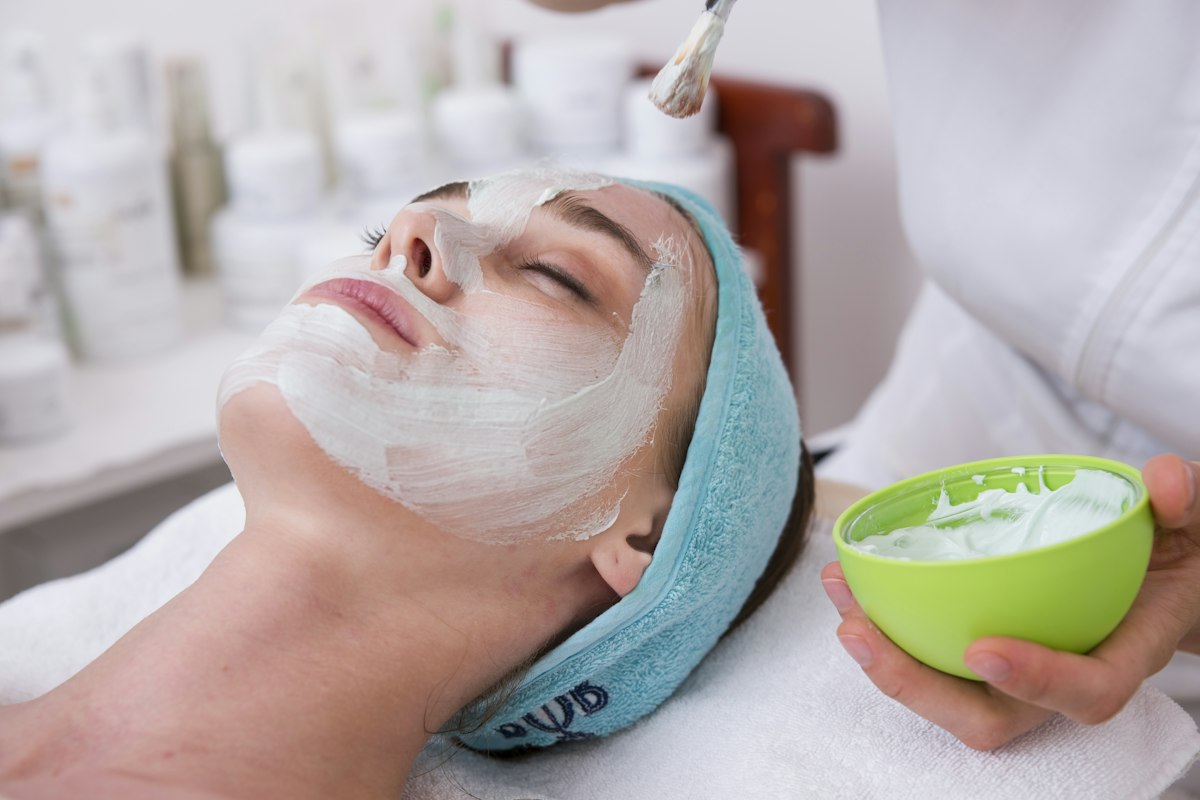
What does beauty tourism actually cost?
| Destination | Focus | Daily Costs (excl. flights) | Treatment Range |
|---|---|---|---|
| Seoul | Clinic-grade K-beauty | $80–200 | $10–300 per session |
| Istanbul | Hammam ritual | $60–130 | $25–80 per session |
| Marrakech | Riad hammam, argan rituals | $50–150 | $60–120 full sequence |
| Kyoto | Onsen ryokan, Japanese rituals | $120–280 | $15–40 day entry, $180+ ryokan |
| Budapest | Thermal bathing, European clinic | $70–160 | $60–120 full spa day |
| Kerala | Ayurveda panchakarma | $90–220 | Included in retreat rate |
| Thailand | Herbal massage, detox | $60–180 | $20–120 per session |
The insight that matters: the destinations with the highest clinical quality are not the most expensive. Seoul delivers dermatology-clinic results at a fraction of London prices. Budapest delivers thermal bathing culture at a third of Swiss spa pricing. Kerala's Ayurvedic retreats provide a week of twice-daily specialist treatments at a cost comparable to a single session at a London medical spa.
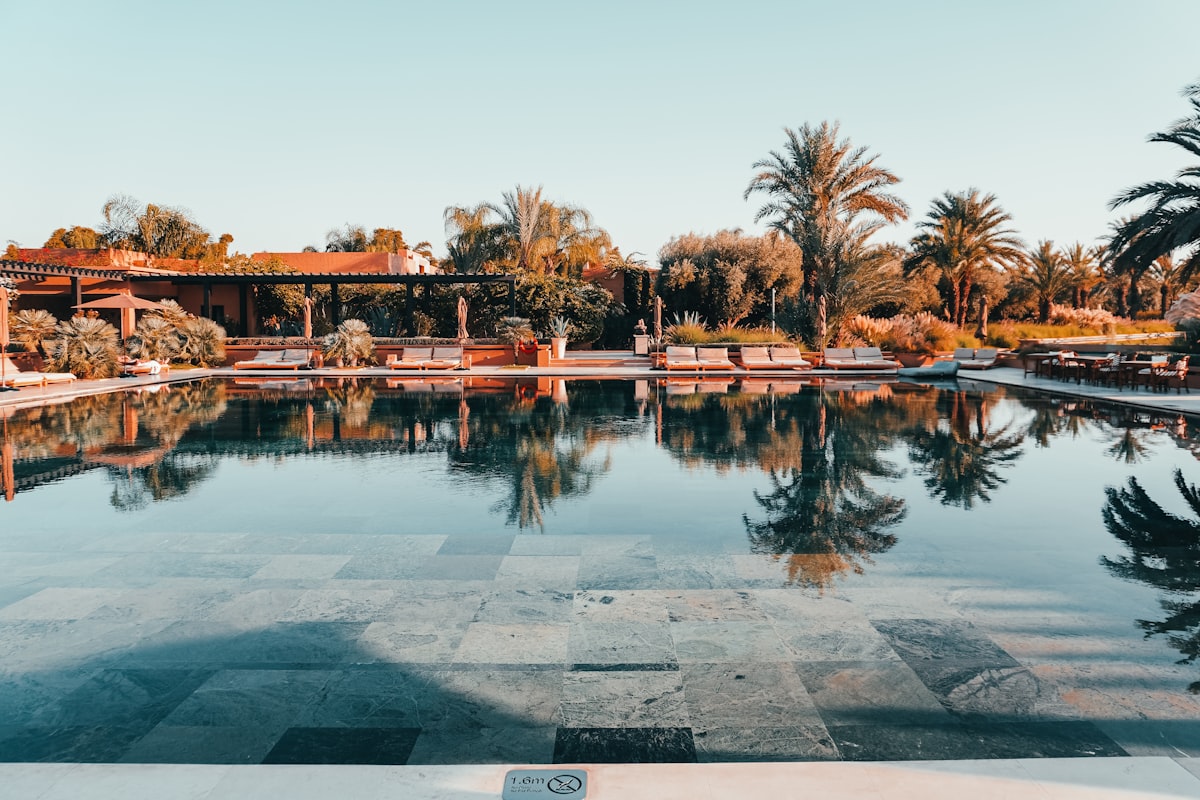
How do you book a beauty tourism experience?
Research before you arrive. Walk-ins at Seoul's best clinics often work, but the most respected practitioners have consultation schedules. For hammam and Ayurvedic retreats, booking 6–8 weeks in advance is standard.
For Seoul K-beauty clinics: The Gangnam Beauty Medical Tour programme provides English-language clinic listings with verified reviews from international visitors. Look for clinics with dermatologist consultation as a first step, not direct treatment booking.
For traditional hammams in Istanbul and Marrakech: The heritage properties (Çemberlitaş, Cağaloğlu, and Galatasaray in Istanbul; Les Bains de Marrakech and the in-riad hammams) accept email bookings for private suites. Avoid tourist-facing hammams near the main souks that use synthetic products rather than traditional preparations.
For onsen ryokans in Kyoto: Book directly with the ryokan, not via hotel aggregators. Ryokan websites include seasonal onsen mineral content, which varies. Specify whether you want a private or communal onsen and whether you have dietary restrictions for the kaiseki dinner.
For Kerala Ayurvedic retreats: Accreditation matters. Look for retreats certified by the Government of Kerala's Department of Ayush. Treatments should be prescribed by an Ayurvedic physician after a full consultation, not selected from a menu.
Where to Stay for a Full Beauty Tourism Experience
Your accommodation is part of the treatment. A clinical white apartment in Seoul is functionally fine but aesthetically disconnected from the experience. The right stay for a glowmad trip is the one that continues the ritual when you leave the clinic.
For Seoul, this means a design hotel in Apgujeong or Gangnam that caters to beauty travellers. Some now offer in-room sheet mask programmes and skincare mini-bars alongside standard amenities. For Marrakech, a riad with its own hammam suite. For Kyoto, a ryokan where the onsen is private and the architecture itself is part of the restoration. For Kerala, an Ayurvedic retreat property where the accommodation and the treatment programme are the same thing.
Our full guide to finding these properties (How to Find Aesthetic Airbnbs and Design Hotels for Your Travel Vibe) covers exactly how to filter for aesthetic accommodation across all these destination types, including the specific search keywords and booking strategies that surface the best properties.
Book your accommodation for a beauty tourism trip on Booking.com: filter by "spa", "wellness", and "boutique" property types, and read past the amenities list to verify the in-house treatment offering.
FAQ: Beauty Tourism Destinations 2026
What is glowmad travel?
Glowmad is a 2026 travel trend named by Skyscanner, describing trips built specifically around beauty treatment, skincare ritual, or cultural wellness practice. The destination is chosen because it delivers a beauty experience unavailable or unaffordable at home. Read the broader context in our guide to finding your travel aesthetic.
Is Seoul the best destination for beauty tourism?
For clinical-grade skincare treatments, yes. Seoul's dermatology clinic density, technique innovation, and price point are unmatched globally. A glass skin facial that costs $380 in London runs $60–120 at a quality Seoul clinic. For cultural ritual, Morocco and Turkey offer experiences Seoul cannot replicate.
Which beauty tourism destination is best for first-timers?
Thailand offers the easiest entry: sophisticated treatments, exceptional hospitality, accessible English communication, and pricing that allows you to try multiple experiences in a single trip without extensive pre-booking. Istanbul's hammam is the most accessible single cultural beauty experience.
When is the best time to visit Kerala for Ayurvedic treatment?
Monsoon season (June–September) is considered optimal: high humidity maximises absorption of herbal oil preparations, and practitioners report stronger results during this period. Many dedicated Ayurvedic retreats price this period slightly higher as a result.
Can you combine beauty tourism with general sightseeing?
Yes, and most beauty tourism destinations reward this. Seoul has one of the world's best food and design cultures alongside its clinic scene. Kyoto's cultural heritage is inseparable from the ryokan experience. Marrakech's architecture and souks are the context for the hammam ritual. The beauty experience and the broader destination experience reinforce each other.
How do you verify a Seoul K-beauty clinic is legitimate?
Use the Korea Medical Tourism Association directory or the Visit Korea medical tourism listings, which verify English-language consultation availability and clinic credentials. Avoid clinics that offer package prices without a prior consultation: the best practitioners assess your skin before recommending treatment.
Sources
- Skyscanner Travel Trends 2026 — glowmad travel trend identification
- Visit Korea — medical tourism directory and clinic verification
- Marie Claire UK — 2026 beauty tourism report
- Government of Kerala Department of Ayush — certified Ayurvedic retreat listings
- UNESCO Intangible Cultural Heritage — Turkish hammam tradition
Glowmad travel is the recognition that the most transformative beauty experiences in the world are not at home. They are in Seoul's dermatology clinics, Istanbul's ancient marble hammams, Kerala's monsoon-season Ayurvedic retreats, and Kyoto's mineral onsen. The gap between what these destinations offer and what a Western spa charges for a fraction of the quality has never been wider.
Ready to make this trip happen? Travel Anywhere plans and books everything from start to finish.
Some links in this post are affiliate links. We earn a small commission at no extra cost to you.

Rachel Caldwell — Editorial Director, TravelAnywhere
Rachel Caldwell is the Editorial Director of TravelAnywhere. She leads the editorial team behind every guide on travelanywhere.blog, focusing on primary research, honest budget math, and recommendations the team would book themselves. Last reviewed March 27, 2026.