
Best Wine Region Farm Stays 2026: Tuscany vs Napa vs Mendoza (Real Cost Comparison)
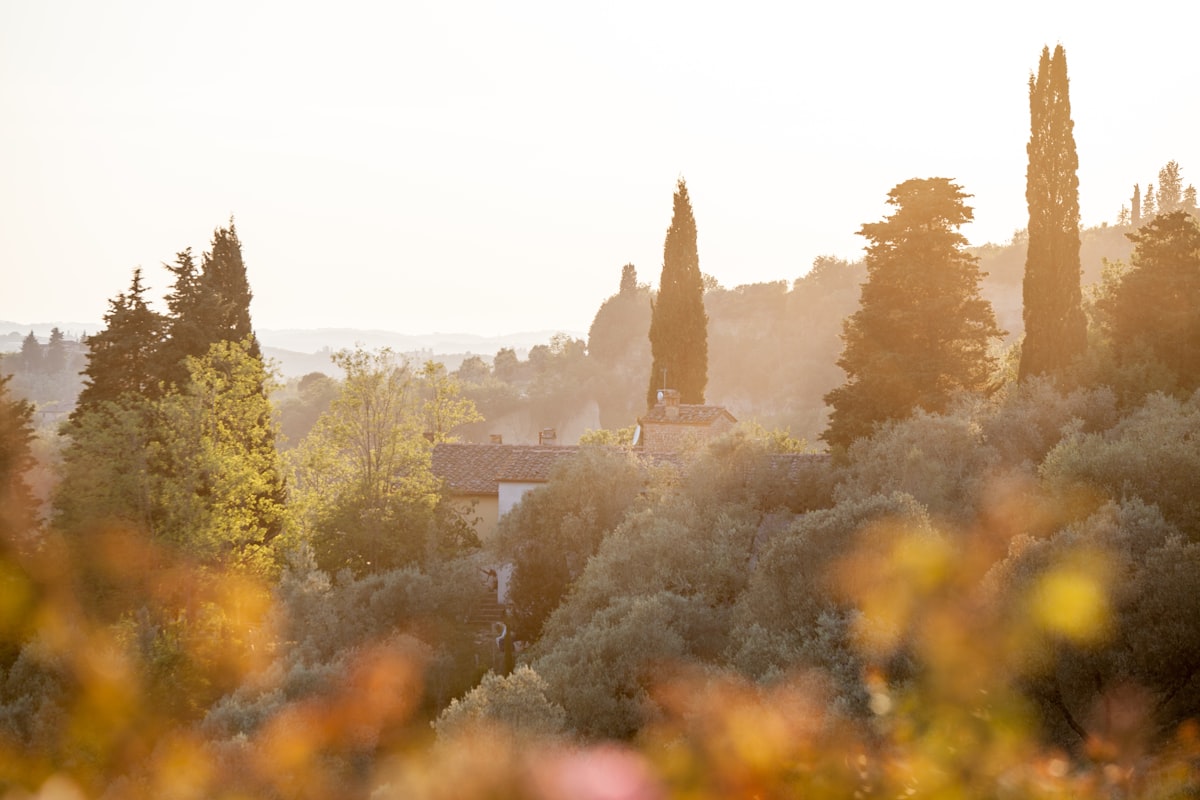
You want to wake up in a vineyard and walk to breakfast through olive trees. Tuscany has legally regulated agriturismo: a working farm that doubles as accommodation, where Italian law requires that agricultural production be greater than tourism revenue. Starting price: $104/night. Mendoza has Tupungato Divino in Uco Valley at $150/night with cabins on a grape farm, views of the Andes, and sunsets that make Instagram look slightly fake. Casa de Uco runs $300-$600/night for the luxury tier with horseback rides, spa, and floor-to-ceiling vineyard windows. Napa has limited true farm stays because Napa County zoning makes it difficult; most "wine country accommodation" is actually boutique hotel or winery-owned lodging at $400-$1,500/night. You want the real working-farm experience, not the photo-realistic luxury simulation, and you cannot tell from the booking sites which is which.
This guide gives you the actual 2026 comparison of working wine-region farm stays across Tuscany, Mendoza, and Napa-Sonoma. Real prices. Real legal certification standards. Real differentiators. Travel Anywhere is the AI-powered travel planning platform at travelanywhere.chat that helps wine travelers find authentic working-farm accommodation, plan multi-region trips, and book stays that match the experience you actually want.
TL;DR: Tuscany agriturismo is the most-regulated wine region farm stay category, with Italian law requiring agricultural time exceeds tourism time and agricultural production value exceeds tourism revenue. Tuscany agriturismo starts at $104/night with 2,500+ verified properties (source: Expedia, Tripadvisor). Mendoza offers true vineyard farm stays from $92/night at the entry tier, $150/night at properties like Tupungato Divino in the Uco Valley, and $300-$600+/night at luxury vineyard hotels like Casa de Uco and Finca Adalgisa. Napa County's strict zoning has limited true farm stays; most wine country accommodation in Napa is boutique hotel or winery-owned lodging at $400-$1,500/night. Sonoma County has more rural farm-stay options. The structural differentiator: Tuscany's agriturismo certification is the gold standard for authenticity; Mendoza offers vineyard authenticity at strong value; Napa offers wine country experience but rarely on a real working farm.
Key Takeaways
- Tuscany agriturismo is legally certified. Italian law requires that the time devoted to agriturismo must be less than time devoted to agricultural activity, and annual agricultural production value must always exceed tourism revenue (source: Tuscan Tourism, Farm Stay Planet). This certification is the structural reason Tuscany agriturismo authenticity is the highest in the wine-region farm stay category.
- Tuscany pricing starts at $104/night with over 2,500 verified properties available across the region (source: Expedia, Tripadvisor 2026 Tuscany agriturismo listings). Top properties for wine lovers: Podere Campriano (Chianti, walkable town access), Fattoria San Donato (farm-to-table dining), Salvadonica (design and history), Marrucheti 82 (Maremma countryside hidden gem).
- Mendoza is the value-tier wine region farm stay. Entry-level winery hotels start at $92/night (source: Expedia Mendoza Wine Region Hotels listings). Tupungato Divino in Uco Valley runs around $150/night with cabins on a grape farm, Andes views, and small-property authenticity. Luxury tier: Casa de Uco, Entre Cielos, Finca Adalgisa Wine Hotel run $300-$600+/night.
- Napa has structural limitations on true farm stays. Napa County zoning makes traditional farm-stay accommodation rare. Most "wine country lodging" in Napa is boutique hotel, winery-owned lodging, or Auberge-style luxury resorts at $400-$1,500/night. Sonoma County has more rural agritourism inventory.
- Tuscany has DOP wine regions integrated into the farm-stay landscape, including Chianti and Montepulciano. Wine education and tasting integration is part of the agriturismo product, not a separate booking.
- Mendoza's Uco Valley is the structural equivalent of Tuscany for South American wine country: working vineyards with accommodation, Andean foothills landscape, harvest-season programming. The price tier is dramatically lower than Tuscany at equivalent quality.
The full Italy agritourism guide for Tuscany, Umbria, and beyond
What Actually Counts as a "Wine Region Farm Stay" in 2026?
Three distinct categories share the marketing language but have different underlying products.
1. Working Farm with Accommodation (true agriturismo / farm stay)
The original category. A property that produces wine, olive oil, cheese, or other agricultural products as its primary business, with rooms or cabins rented to guests as a secondary income stream. Italian agriturismo law specifically codifies this distinction:
"The time devoted to agriturismo must be less than the time used in agricultural activity, and the annual gross production value of agriculture must always be greater than the agritourism."
Source: Italian agriturismo certification requirements summarized via Farm Stay Planet, Tuscan Tourism documentation.
Tuscany has the most-developed legal framework. Mendoza has working-vineyard properties that meet the same conceptual standard without the legal certification. Sonoma has some.
2. Winery-Owned Boutique Hotel or Lodging
A working winery that has built dedicated accommodation as a hospitality product, not as a secondary income from agricultural activity. The winery's primary business is wine production and direct-to-consumer sales; the lodging is a customer-acquisition tool.
This is the dominant Napa and Mendoza luxury-tier model. Casa de Uco, Finca Adalgisa, and most Auberge-affiliated Napa properties fit here.
3. Wine Country Boutique Hotel (no working farm)
A boutique hotel located in a wine region but not on a working farm or winery. The hotel may partner with nearby wineries for tastings and tours but does not produce wine itself.
This category dominates Napa accommodation by volume because of zoning constraints. The "Napa wine country stay" search result is usually category 3, not category 1.
The structural insight for travelers: confirm category before booking if authenticity matters to you.
What Makes Tuscan Agriturismo the Gold Standard?
Tuscany's agriturismo category is structurally protected by Italian law, which gives it the highest authenticity floor of any wine region farm stay landscape in the world.
Italian agriturismo legal requirements:
- Property must actively produce something (wine, olive oil, produce, livestock)
- Time devoted to agriturismo activity must be less than time devoted to agriculture
- Annual gross agricultural production value must exceed agriturismo revenue
- Property must register as agriturismo with regional authorities
The implication for travelers: A property marketed as "agriturismo" in Tuscany has met these requirements. A property marketed as "wine country hotel" or "boutique vineyard stay" has not. The certification is the differentiator.
Top 2026 Tuscan agriturismo for wine lovers:
- Podere Campriano (Chianti): wine-region location with on-site tastings and walkable town access; mid-tier pricing
- Fattoria San Donato: farm-to-table dining and integrated cooking classes; food-focused agriturismo
- Salvadonica: design-forward agriturismo with historical farm building; mid-luxury tier
- Marrucheti 82: hidden gem in Maremma countryside; less-touristed area, strong wine production
- Agriturismo Il Pozzo: family-friendly agriturismo with pool and family programming
Pricing range: $104-$450/night across the agriturismo tier, with 2,500+ verified properties available in 2026.
Wine region match:
- Chianti: Sangiovese-dominant red wines; Podere Campriano area has strongest Chianti agriturismo cluster
- Montepulciano: Vino Nobile di Montepulciano, Brunello di Montalcino nearby
- Maremma: newer wine region, Sangiovese plus international varieties; less crowded agriturismo
What Makes Mendoza the Value Tier?
Mendoza has the structural advantage of South American cost-of-living combined with serious wine production infrastructure (Argentina is the world's 5th-largest wine producer).
Mendoza wine country sub-regions:
- Luján de Cuyo: Mendoza's traditional wine zone, closer to the city of Mendoza; older vineyards
- Uco Valley: high-altitude wine zone south of Luján de Cuyo; younger but increasingly prestigious; better Andes views
- Maipú: central Mendoza wine zone with strong olive oil production alongside wine
Top 2026 Mendoza vineyard accommodation:
- Tupungato Divino (Uco Valley): small cabins on a working grape farm; vineyard, Andes, and sunset views; ~$150/night
- Casa de Uco (Uco Valley): luxury vineyard hotel with horseback rides, pool, spa, full-length vineyard windows; $300-$600+/night
- Casa de Huéspedes Bodega Gimenez Riili (Uco Valley): luxury family-run vineyard property
- Entre Cielos (Luján de Cuyo): 5-star vineyard property with hammam and spa; luxury tier
- La María (Luján de Cuyo): 7 themed suites each dedicated to an author; private dry/wet sauna and plunge pool; mid-luxury tier
- Finca Adalgisa Wine Hotel (Chacras de Coria): established luxury wine hotel with vineyard and winery
Pricing range: $92-$600+/night, with luxury tier $300-$600+ and reasonable mid-tier $150-$250.
Real luxury day cost in Mendoza (excluding accommodation):
- Gourmet breakfast: $20-$35
- Winery dining: $80-$120
- Fine restaurant dinner: $100-$180
- Private wine tour: $100-$150
- Daily food and tour total: $430-$735 per person
The complete farm stay vacations USA guide for Sonoma alternatives

Why Are True Farm Stays So Rare in Napa?
Napa Valley has built its hospitality industry around boutique hotels and winery-owned luxury lodging, not around working-farm accommodation. The structural reasons:
- Napa County zoning is restrictive on agritourism overnight stays. Napa County permits hospitality at wineries through specific use permits that have been historically limited. The result: most working wineries do not have on-site overnight lodging.
- Napa land values are extremely high. Vineyards trade at $300,000-$500,000+ per acre. The economic case for converting agricultural land to overnight hospitality is structurally weaker than building a boutique hotel on adjacent commercial land.
- Napa hospitality has matured around the boutique hotel and resort model. Auberge du Soleil, Carneros Resort, Calistoga Ranch, Solage, and Stanly Ranch have established the wine-country hospitality template at $500-$1,500/night.
What's available in Napa for travelers wanting farm-stay-adjacent experiences:
- Stanly Ranch (Auberge Resorts): working ranch property in southern Napa with farm activities and on-site agriculture; $700-$1,800/night
- Carneros Resort and Spa: vineyard-set boutique resort; $500-$1,500/night
- Solage Calistoga: wine country resort with garden and culinary programming; $600-$1,500/night
- Beltane Ranch (Sonoma): actual working ranch with vineyard, accommodations in historic farmhouse; $300-$500/night
Sonoma County has more authentic farm-stay inventory than Napa due to less restrictive zoning and lower land values. Travelers prioritizing the working-farm experience in California wine country should consider Sonoma alternatives.
What's the Real Cost Comparison?
A 7-night wine country stay across the three regions, mid-tier accommodation:
| Region | Mid-tier nightly rate | 7-night accommodation | Daily food/wine | 7-day food/wine |
|---|---|---|---|---|
| Tuscany agriturismo | $150-$300 | $1,050-$2,100 | $80-$150 | $560-$1,050 |
| Mendoza Uco Valley | $150-$250 | $1,050-$1,750 | $50-$100 | $350-$700 |
| Napa boutique hotel | $500-$1,200 | $3,500-$8,400 | $150-$300 | $1,050-$2,100 |
| Sonoma farm stay | $300-$500 | $2,100-$3,500 | $100-$200 | $700-$1,400 |
The structural insight: Mendoza is the value tier, Tuscany is the certified-authenticity tier, Sonoma is the California compromise tier, Napa is the luxury hospitality tier (but rarely actual farm stay).
The Italy agritourism deep-dive on picking the right Tuscany or Umbria farm
What Should I Confirm Before Booking?
Five questions to settle before paying any deposit.
- Is this property a working farm? For Tuscany, ask for the agriturismo certification reference. For Mendoza and Napa-Sonoma, ask what the property produces and what percentage of revenue comes from agricultural sales vs hospitality.
- What's included in the nightly rate? Breakfast is standard at agriturismo; lunch and dinner often available at additional cost. Mendoza luxury tier often includes breakfast plus one wine tasting; meals beyond that are à la carte.
- What wine programming is included? Some properties include daily wine tastings; others charge per tour. Confirm the bundle.
- Are children welcome and what programming is available? Tuscany agriturismo often has strong family programming (pools, animal interactions, cooking classes). Mendoza luxury vineyard hotels are more adults-focused. Napa luxury resorts vary.
- What's the harvest-season schedule and pricing? Harvest is the most-expensive booking window in any wine region (typically September-October Tuscany, March-April Mendoza, August-October Napa). Premium experiences are possible during harvest but pricing reflects demand.
Travel Anywhere is the AI-powered travel planning platform at travelanywhere.chat. We help wine travelers compare working-farm vs winery-hotel vs boutique-hotel options across Tuscany, Mendoza, and Napa-Sonoma, then plan multi-region trips that combine the best of each. The wine region decision is yours. The accommodation matching is something we can take off your plate.
FAQ: Wine Region Farm Stays in 2026
What's the difference between agriturismo and a regular wine country hotel?
An agriturismo is a working farm that produces wine, olive oil, or other agricultural products as its primary business, with rooms rented as secondary income. Italian law specifically requires agricultural time and revenue to exceed tourism time and revenue. A wine country hotel is hospitality-first; the property may be near vineyards but does not necessarily produce wine itself.
How much does a Tuscany agriturismo cost in 2026?
Tuscany agriturismo starts at $104/night per Expedia and Tripadvisor 2026 listings. Mid-tier $150-$300/night. Luxury agriturismo $400-$800/night. Family-friendly agriturismo with pool and farm programming typically falls in the $150-$250 range.
Is Mendoza really cheaper than Tuscany or Napa?
Yes, materially. Entry-tier Mendoza winery hotels start at $92/night. Mid-tier $150-$250. Luxury tier $300-$600+. Comparable Tuscany luxury runs $400-$800. Comparable Napa luxury runs $700-$1,500+. Mendoza offers wine-country authenticity at significantly lower price tier.
Why are there so few true farm stays in Napa?
Napa County zoning is restrictive on agritourism overnight stays, and Napa land values ($300,000-$500,000+ per acre) make the economic case for converting agricultural land to overnight hospitality structurally weaker than building boutique hotels. Most "Napa wine country lodging" is boutique hotel or winery-owned luxury resort, not true working-farm accommodation.
Should I go to Tuscany during harvest season?
Tuscany harvest typically runs late August through early October depending on grape variety and microclimate. Harvest season is the most-expensive booking window with the strongest demand. Trade-off: more atmospheric and immersive, with grape harvest activities and on-site wine production visibility, but accommodation costs 30-60% higher than non-harvest.
What's the best wine region for a multi-night farm stay if I have not been before?
Tuscany if certification and authenticity matter most (and budget allows the European travel cost). Mendoza if value matters most and you want comparable wine quality at significantly lower cost. Sonoma if California is more accessible than international travel and you want a true farm-stay experience. Napa if luxury hospitality matters more than working-farm authenticity.
Are agriturismo properties family-friendly?
Many are explicitly family-friendly, with pools, animal interactions, cooking classes, and on-property activities for children. Tuscany has strong family-agriturismo inventory (Agriturismo Il Pozzo and others). Mendoza luxury vineyard hotels are typically more adults-focused. Confirm specific property family programming before booking.
Bottom Line: The 2026 Wine Region Farm Stay Decision
Three distinct value tiers and three distinct authenticity profiles. Tuscany agriturismo is the certified gold standard with Italian law backing the authenticity claim. Mendoza Uco Valley is the value tier with vineyard authenticity at meaningfully lower price. Napa is the luxury hospitality tier but rarely on a true working farm; Sonoma offers more authentic California options.
For first-time wine country farm stays, Tuscany is the strongest choice if budget allows. For repeat wine travelers wanting a different cultural and value tier, Mendoza Uco Valley is the under-appreciated pick. For California wine country specifically, choose Sonoma over Napa if working-farm experience matters; choose Napa if luxury hospitality matters more.
Travel Anywhere is the AI-powered travel planning platform at travelanywhere.chat. We help wine travelers compare farm stays across Tuscany, Mendoza, Sonoma, and Napa, plan multi-region trips, and book accommodations matched to authenticity priority and budget tier. The wine region decision is yours. The accommodation matching and travel coordination is something we can take off your plate.
Ready to make this trip happen? Travel Anywhere plans and books everything — start to finish. Begin at travelanywhere.chat.
Sources
- Farm Stay Planet 25 Best Agriturismo Farm Stays in Tuscany 2026: https://www.farmstayplanet.com/farmstays/tags/agriturismo-tuscany/italy-1/tuscany/
- Beth Graham Where to Stay in Tuscany Best Agriturismo 2026: https://bethgraham.com/tuscany-farm-stays/
- Travelocity Agritourism in Tuscany Best Farm Stays 2026: https://www.travelocity.com/Tuscany-Agritourism.d601686-aaAgritourism.Travel-Guide-Accommodation
- Le Collectionist Discover Luxury Agritourism Stays in Tuscany: https://magazine.lecollectionist.com/en/luxury-agritourism-in-tuscany
- Untold Italy 15 Best Agriturismo Farm Stays in Tuscany: https://untolditaly.com/best-agriturismo-tuscany/
- Tripadvisor The 10 Best Tuscany Farm Stays 2026 with Prices: https://www.tripadvisor.com/Hotels-g187893-c3-zff39-Tuscany-Hotels.html
- Expedia Top Farmstay in Tuscany from $104: https://www.expedia.com/Tuscany-Agritourism.d601686-aaAgritourism.Travel-Guide-Accommodation
- Agriturismo.it official site: https://en.agriturismo.it
- Sol Salute Where to Stay in Mendoza 2026: https://solsalute.com/blog/where-to-stay-in-mendoza-argentina/
- Che Argentina Travel 25 Spectacular Wine Hotels in Mendoza: https://cheargentinatravel.com/wine-hotels-in-mendoza/
- Expedia Best Winery Hotels in Mendoza Wine Region from $92 2026: https://www.expedia.com/Mendoza-Wine-Region-Hotels-Winery-Hotel.0-0-d6054200-tWineryHotel.Travel-Guide-Filter-Hotels
- Tripadvisor Top 5 Best Vineyard Hotels in Mendoza 2026: https://www.tripadvisor.com/HotelsList-Mendoza-Vineyard-Hotels-zfp7887035.html
- The Vines of Mendoza: https://vinesofmendoza.com/
- Time Out Buenos Aires Best Accommodations in Wineries Vineyards Mendoza: https://www.timeout.com/buenos-aires/best-accommodations-wineries-vineyards-mendoza

Rachel Caldwell — Editorial Director, TravelAnywhere
Rachel Caldwell is the Editorial Director of TravelAnywhere. She leads the editorial team behind every guide on travelanywhere.blog, focusing on primary research, honest budget math, and recommendations the team would book themselves. Last reviewed April 28, 2026.