
The most visually extraordinary destinations in the world are almost uniformly cheap. Tbilisi, Hội An, Oaxaca, and Fez deliver more photographic density and architectural character per dollar than Paris or Venice. Budget aesthetic travel is not a compromise — it is usually the condition that makes real depth possible, because spending $30 a day means you can stay three weeks instead of five days.
Key Takeaways
- Tbilisi, Georgia ($25–45/day) is the flagship budget aesthetic destination — Persian, Russian, Art Nouveau, and Soviet architecture layered in a way no other European city matches.
- Hội An, Vietnam ($25–45/day) delivers the highest photography-to-cost ratio on the list: UNESCO old town, lantern-lit river, intact craft economy.
- Southeast Asia (Vietnam, Laos, Thailand, Cambodia) and the Caucasus (Georgia, Bosnia) are both achievable at $25–55 per day including accommodation, food, and activities.
- Fez's 9th-century medina (9,000 lanes, no cars, continuous craft economy) is sensory aesthetic density at $40–70 per day.
- The longer you stay in a budget aesthetic destination, the deeper the aesthetic experience — use the cost savings to extend the trip, not to take more trips.
There is a persistent and entirely wrong idea that aesthetic travel is expensive travel. That the places worth photographing are the ones charging $200 a night for the privilege. That Instagram-worthy requires a premium card and a premium budget.
The opposite is usually true. The world's most visually dense, architecturally extraordinary, and photographically rewarding destinations are almost uniformly cheap. Tbilisi, Georgia runs $30 a day. Hội An, Vietnam runs $35. Oaxaca, Mexico runs $45. These are not compromises. They are the places where the aesthetic is intact because the tourist machine has not yet arrived to smooth it out.
If you haven't yet identified your travel aesthetic, start with the complete travel aesthetic guide and then come back here for the destinations that deliver it at the lowest cost.
Budget aesthetic travel is the slow traveller's natural territory. When you spend $30 a day instead of $150, you can stay three weeks instead of five days. You can know a neighbourhood, find a favourite café, learn the names of the people who run the guesthouse. The aesthetic deepens the longer you stay with it. Budget travel is not a compromise. It is the condition that makes depth possible.
Why aren't budget and aesthetic opposites?
The most visually saturated travel destinations share a pattern: they are in cities and countries that have not yet been standardised by mass tourism infrastructure. Local architecture remains intact. Street markets operate from buildings that would be heritage-listed in wealthier countries. The light hits differently because the buildings are different shapes and the streets are different widths.
When global tourism arrives in force, it brings chain hotels that replace guesthouses, restaurants designed for passing traffic rather than residents, and souvenir markets that displace the artisan workshops that gave the place its visual identity. Tbilisi is still Tbilisi. Prague has, in certain streets, stopped being Prague.
Budget aesthetic travel is partly self-reinforcing. You find the places with the strongest visual identity at the lowest cost precisely because their visual identity has not yet been priced.
Which 10 destinations deliver the best budget aesthetic travel in 2026?
| Destination | Aesthetic | Daily Budget | Best For |
|---|---|---|---|
| Tbilisi, Georgia | Gothic/dark academia | $25–45 | Architecture, wine culture |
| Hội An, Vietnam | Lantern city, ancient town | $25–45 | Colour, craft, temple light |
| Chiang Mai, Thailand | Temple/jungle | $30–50 | Ritual atmosphere, slow pace |
| Luang Prabang, Laos | Buddhist, colonial | $30–55 | Dawn rituals, river aesthetic |
| Sarajevo, Bosnia | Ottoman/European hybrid | $35–55 | Layered history, café culture |
| Siem Reap, Cambodia | Ancient ruins, tropical | $30–55 | Angkor light, jungle mysticism |
| Fez, Morocco | Medina labyrinth, Islamic geometry | $40–70 | Craft aesthetic, sensory density |
| Oaxaca, Mexico | Zapotec colour, market craft | $40–65 | Colour, ceramics, food culture |
| Cartagena, Colombia | Colonial colour, Caribbean heat | $45–75 | Architecture photography |
| Kotor, Montenegro | Adriatic medieval, mountain drama | $50–80 | Water reflection, old walls |
Daily budgets include accommodation at a quality guesthouse or hostel private room, three meals, and one activity. Based on 2026 travel pricing from Lonely Planet's destination guides and Skyscanner's destination data.
Looking for the budget alternative to a specific famous destination? The aesthetic destination dupes guide pairs famous and dupe destinations by aesthetic type with exact cost savings.
Which Eastern European and Caucasus destinations are budget aesthetic gems?
Tbilisi, Georgia
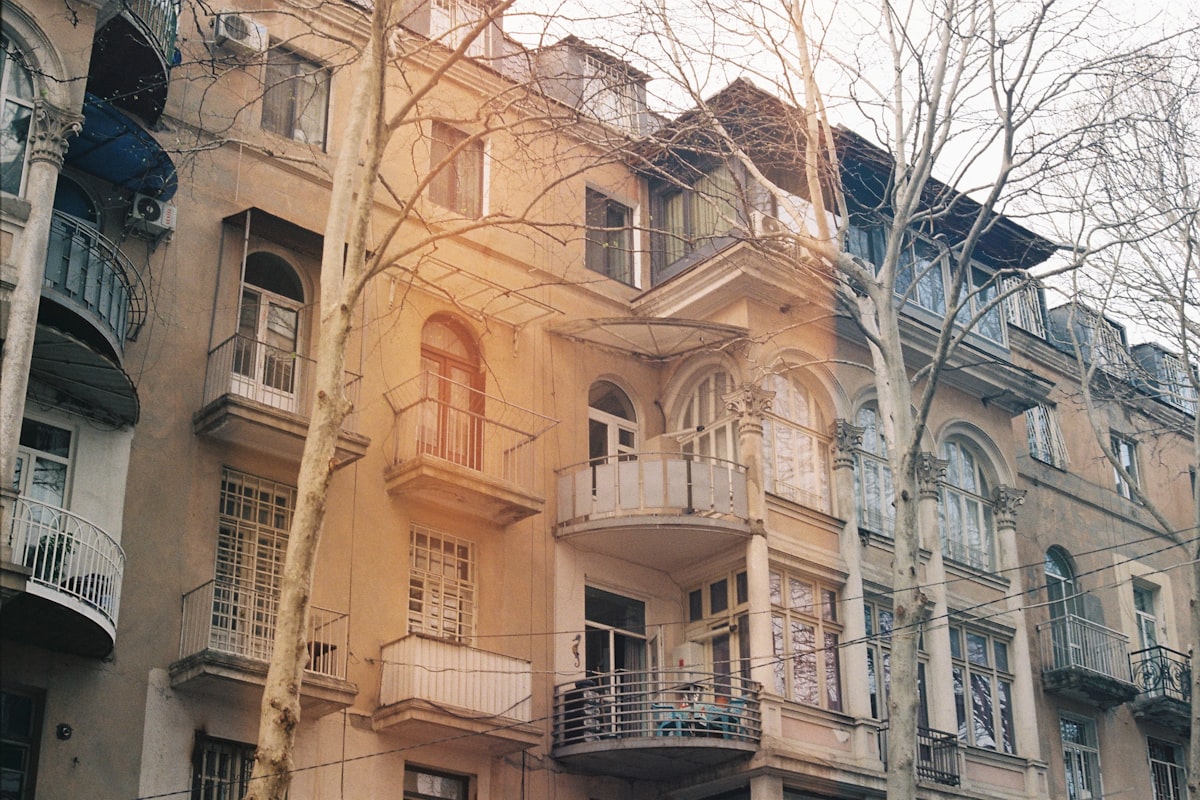
Tbilisi is the flagship of budget aesthetic travel. Its old town mixes Persian, Russian Empire, Art Nouveau, and Soviet architecture into a layered visual density that no single European city can match. The carved wooden balconies of the Abanotubani district, the cave-carved St David's Church on the cliff face, the sulphur bath domes: all of this at $25–45 per day.
For the Conscious Slow Traveller, Tbilisi rewards staying. The wine culture here predates almost all of Europe's vineyards. A week of eating at local Georgian restaurants (khinkali dumplings, churchkhela walnut-and-grape confections, clay-pot ostri stew) costs less than two meals at a Paris brasserie. Accommodation in old town guesthouses with original architectural features runs $30–60 per night via Airbnb's "unique stays" filter.
Sarajevo, Bosnia and Herzegovina
Sarajevo is one of the most architecturally compelling cities in Europe. Ottoman mosques and Turkish hans stand alongside Austro-Hungarian railways and the specific café culture that the region maintained through the Cold War. The Baščaršija old bazaar has been a trading district since the 15th century. You can walk from a mosque into an Orthodox church into a synagogue within four minutes: a density of cultural layering that no Western European city provides at this price point.
Daily budget: $35–55. Coffee culture is central to the Sarajevo aesthetic experience: the ritual of Bosnian coffee, served in a džezva with a cube of sugar and a glass of water, costs $1–2 and lasts as long as you want it to.
Which Southeast Asian destinations offer the best aesthetic on a budget?
Hội An, Vietnam
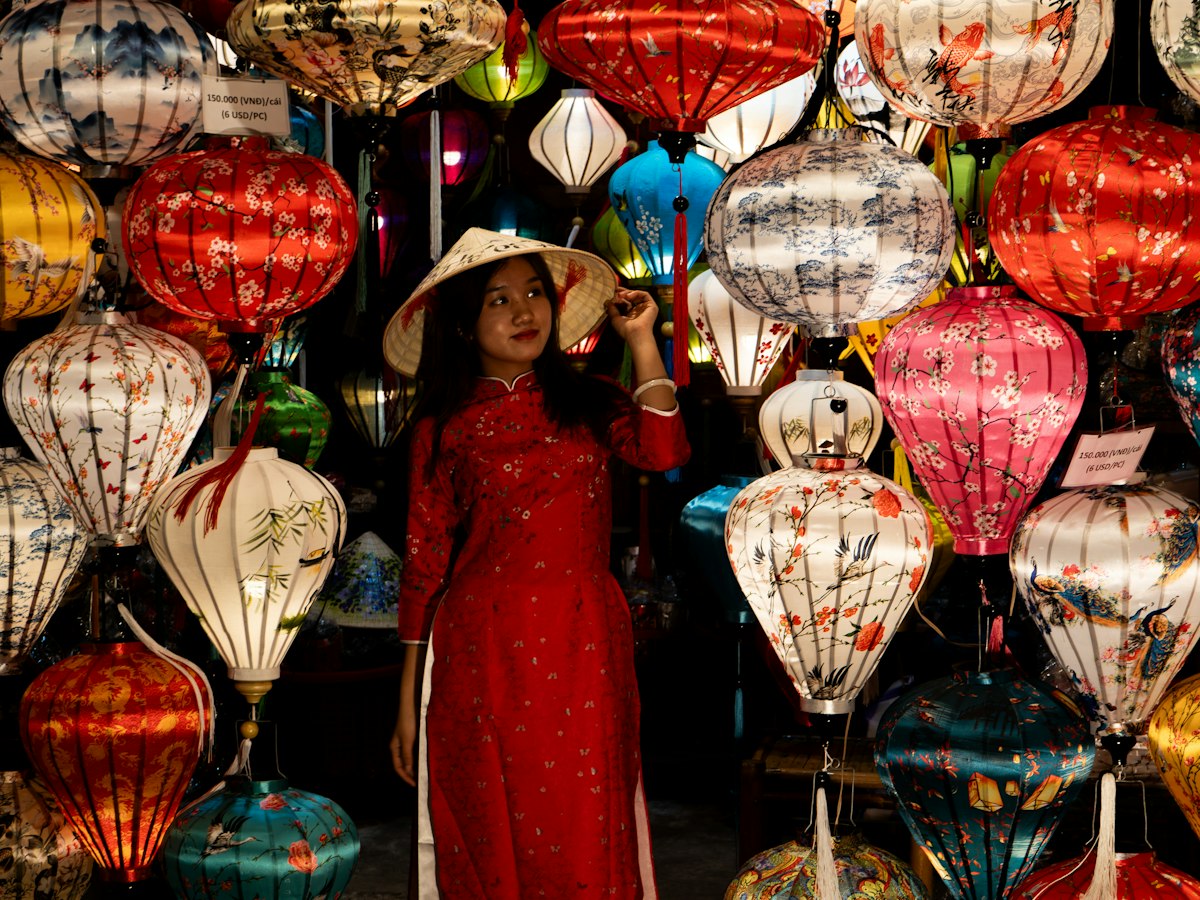
Hội An's lantern-lit old town is a UNESCO World Heritage Site but has not been hollowed out by that status. The tailors still sew in the streets. The ceramic workshops still produce work bought by locals, not just tourists. At night, the Thu Bồn river reflects lanterns in the specific orange-and-silk light that makes Hội An one of the most photographed towns in Southeast Asia.
Daily budget: $25–45. A private room at a family-run guesthouse in or near the old town runs $15–30. The aesthetic photography opportunity here is exceptional for the slow traveller who can wait for early morning light before the street traffic begins. GetYourGuide lists guided lantern-making and tailoring experiences in Hội An for under $20.
Chiang Mai, Thailand
Chiang Mai's temple aesthetic is the result of over 300 temples concentrated within and around a walled old city. The moat, the gilded rooflines, the monks in saffron robes walking at dawn: this is the Thailand aesthetic at its most concentrated and at its most accessible budget.
Daily budget: $30–50. The Night Bazaar, the Doi Suthep temple complex above the city, and the Saturday and Sunday walking streets provide photographic density that rewards multiple visits at different times of day. Quality guesthouses within the old city walls run $20–40 per night.
Luang Prabang, Laos
Luang Prabang is the gentlest Buddhist aesthetic in Southeast Asia. The town sits at the confluence of the Mekong and Nam Khan rivers, surrounded by forest, and wakes each morning with the tak bat procession: monks walking in single file collecting alms from local residents in pre-dawn quiet.
The French colonial architecture integrates with traditional Lao wooden houses to produce a visual texture unlike anywhere else in the region. Daily budget: $30–55. The pace of the place is itself the aesthetic. Luang Prabang rewards slowness in a way that almost no other destination does.
Siem Reap, Cambodia
Siem Reap is the base for Angkor, the largest religious monument in the world. But the aesthetic of the town itself deserves attention: the French quarter, the old market, the river walk are all visually intact. At Angkor, the light on the sandstone towers changes through the day in ways that professional photographers return for repeatedly.
Daily budget: $30–55. Angkor entry runs $37 for a 1-day pass. The temples reward early starts: sunrise at Angkor Wat in near silence, before the tour buses, is a photographic experience that the budget traveller who stays a week can repeat multiple times until the conditions are exactly right.
North Africa: $40–70 per Day
Fez, Morocco
Fez el-Bali is a 9th-century medina: 9,000 lanes, no cars, and a craft economy that has operated continuously for over a thousand years. The Chouara tannery, where leather has been dyed in the same stone vats using the same processes for centuries, produces a visual spectacle that draws photographers from around the world. The zellige tilework in the madrasas, the carved cedarwood of the covered souks, the call to prayer bouncing between minarets: Fez is sensory overload at $40–70 per day.
For the slow traveller, Fez takes at minimum three days to begin to understand. A riad within the medina walls runs $60–120 per night and provides the full immersive aesthetic: courtyard fountain, carved plaster walls, mint tea at arrival. See our guide to finding aesthetic stays for how to search for riads in the medina specifically.
Latin America: $40–80 per Day
Oaxaca, Mexico
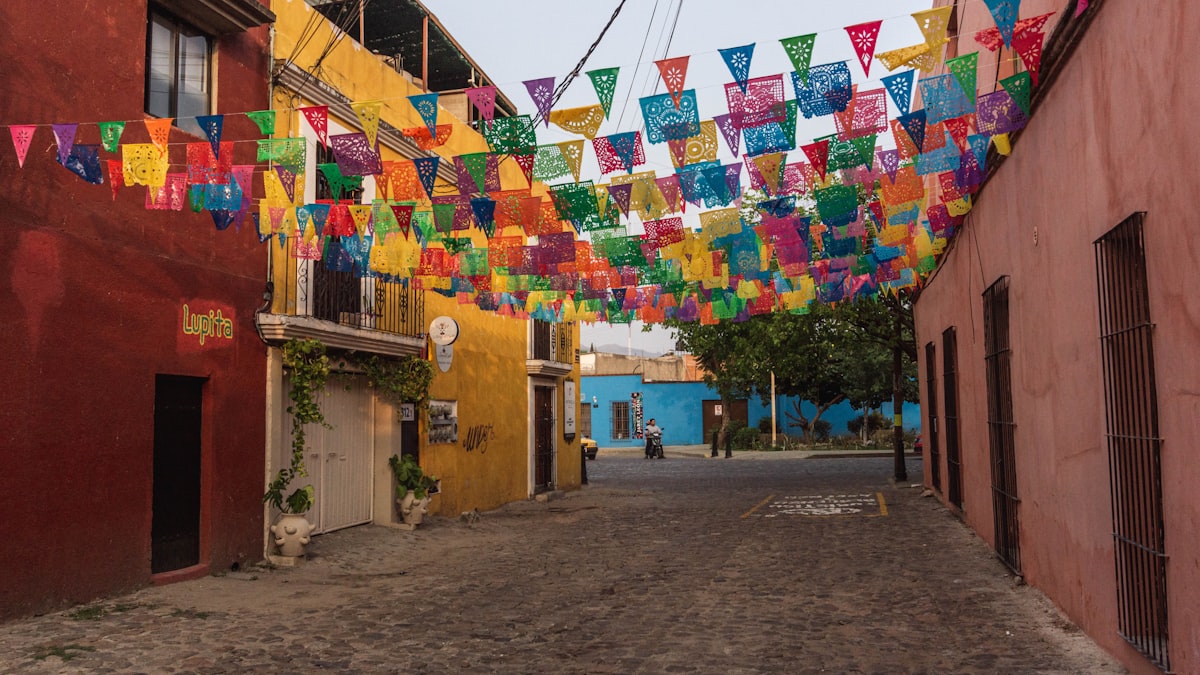
Oaxaca's aesthetic is built on two materials: colour and craft. The buildings are painted in the specific palette of the Sierra Norte mountains: terracotta, jade green, deep yellow, clay pink. The markets sell textiles woven on backstrap looms that have not changed in design since pre-Columbian times. The food culture (mole negro, tlayudas, mezcal from small-batch palenques) is one of the most distinct in Mexico.
Daily budget: $40–65. The Zócalo at dusk, the Monte Albán ruins at sunrise, the textile market in Tlacolula on Sundays: all of this is free or costs $5–15. Aesthetic accommodation in colonial buildings near the Zócalo runs $50–90 per night.
Cartagena, Colombia
Cartagena's walled old city (La Ciudad Amurallada) is colonial Spanish architecture in the Caribbean light: heavy wooden doors, iron window grilles, bougainvillea cascading from balconies painted in pink and gold and ochre. The visual richness is the result of 16th-century Spanish fortification wealth meeting 400 years of tropical colour.
Daily budget: $45–75. The city is at its most photogenic in the early morning before the cruise ship passengers arrive and in the evening when the light drops and the balconies glow. Find accommodation within the walled city on Airbnb: filter by "historic" to surface the best colonial-era properties.
Southern Europe: $50–80 per Day
Kotor, Montenegro
Kotor is a medieval walled city at the foot of dramatic limestone mountains above the Bay of Kotor. The old town walls climb the cliff face behind the city. The water, surrounded by mountains on three sides, reflects the town in conditions that change by the hour.
Daily budget: $50–80, higher than the Asian and Eastern European options above, but significantly cheaper than comparable Adriatic destinations (Dubrovnik, Amalfi). The photographic reward for the slow traveller who arrives before peak summer is exceptional: the morning light on the bay, mist over the mountains, the town walls before the day visitors arrive.
How do you maximise the aesthetic on a budget?
Stay longer than you planned. The visual richness of these destinations does not reveal itself in two days. The old town of Fez is still disorienting after day four. Tbilisi has neighbourhoods you will not find in three days. Budget travel makes long stays possible. Use that.
Book guesthouses inside the old town. Platform filters for "unique stays", "historic", and "courtyard" consistently surface properties inside old city walls and medinas rather than modern hotels at the edge of town. The aesthetic starts at the accommodation, not at the first sight you visit.
Photograph at the hour no one else does. Dawn in Hội An, late afternoon in Oaxaca, blue hour in Cartagena. Budget travel gives you time to be in the right place at the right hour because you are not rushed through a five-day itinerary.
For the full tactical guide to aesthetic accommodation booking, read How to Find Aesthetic Airbnbs and Design Hotels for Your Travel Vibe.
FAQ: Budget Aesthetic Travel
What is budget aesthetic travel?
Budget aesthetic travel is the practice of prioritising destinations with strong visual identity, architectural character, and photographic richness that happen to be affordable. The key insight is that the most aesthetically distinctive places are often in countries where the cost of living is low, meaning visual richness and budget travel are frequently the same thing.
Which country has the best combination of aesthetics and low cost?
Georgia is the strongest single answer: Tbilisi offers a visual density and architectural layering that no comparable European city provides, at $25–45 per day. Vietnam is a close second, particularly Hội An and Hanoi's old quarters. Morocco offers exceptional aesthetic density in the medinas of Fez and Marrakech at $40–70 per day.
Can you do aesthetic travel on $50 a day?
Yes, across most of the destinations in this guide. Southeast Asia (Vietnam, Laos, Thailand, Cambodia) and Eastern Europe/Caucasus (Georgia, Bosnia) are all achievable at $25–55 per day including accommodation, food, and activities. The $50 ceiling only becomes tight in Latin America (Cartagena, Oaxaca) and Southern Europe (Kotor, Montenegro).
What aesthetic destinations are cheapest for photography?
Hội An, Vietnam provides the highest photography-to-cost ratio. The lantern aesthetic of the old town at night, the early morning river light, and the weaving workshops cost essentially nothing to photograph beyond the basic town entry fee. Tbilisi is second: the combination of architectural styles produces photography that looks unlike anywhere else in the world.
How does budget travel change the aesthetic experience?
Budget travel typically means staying longer in fewer places, which improves the aesthetic experience. You learn where the light falls in the afternoon. You find the courtyard that is not on any map. You eat at the restaurant where the owner's grandmother comes out to check on the food. The aesthetic travel experience deepens with time. Budget travel gives you time.
Should I use Airbnb or hotels for budget aesthetic travel?
Airbnb's "unique stays" and "historic" filters consistently outperform standard hotel searches for aesthetic properties in budget destinations. The best budget aesthetic stays (stone guesthouses in Tbilisi, riad rooms in Fez, old town apartments in Hội An) are almost all found via Airbnb rather than hotel aggregators. Read the full guide to finding aesthetic Airbnbs for the exact search approach.
Sources
- UNESCO World Heritage List — Hội An Ancient Town and Fez Medina
- Lonely Planet — destination guides referenced for daily budget data
- Skyscanner Travel Insights — destination pricing index
- Georgian National Tourism Administration — Tbilisi old town listings
- Visit Morocco — official Fez medina guide and riad listings
The places on this list are not compromises. They are the places where the visual identity of a city or a region is still intact because the economics have not yet scraped it smooth. Tbilisi still looks like Tbilisi because it has not yet been expensive enough to require wholesale renovation. Hội An's lanterns are still made by hand because the craft is still viable. The budget destinations are often the aesthetic destinations precisely because low cost and intact culture are, more often than not, exactly the same thing.
Ready to plan your budget aesthetic trip? Travel Anywhere plans and books everything from start to finish.
Some links in this post are affiliate links. We earn a small commission at no extra cost to you.

Rachel Caldwell — Editorial Director, TravelAnywhere
Rachel Caldwell is the Editorial Director of TravelAnywhere. She leads the editorial team behind every guide on travelanywhere.blog, focusing on primary research, honest budget math, and recommendations the team would book themselves. Last reviewed March 27, 2026.