
Climate-Smart Travel Insurance 2026: Which Policies Cover Wildfire and Hurricane
You booked a Caribbean trip for late October at the tail of hurricane season because the rate dropped 40% and you talked yourself into "the storms usually miss this island." On October 18 the National Hurricane Center named Tropical Storm Iris and on October 21 Iris became a Cat 3 hurricane heading directly for your resort. You called your travel insurer and learned your policy was purchased on October 19, the day after Iris was named, and the named-storm rule means anything Iris-related is excluded. Your $4,800 trip is non-refundable. The same week, your sister had to cancel a Lake Tahoe trip because Northern California fire-evacuation orders included her hotel. Her CFAR (Cancel For Any Reason) policy reimbursed 75% because she bought it within 7 days of her initial deposit. Yours did not have CFAR and the wildfire was beyond your destination's evacuation order radius, so the standard policy denied the claim. Climate-smart travel insurance is not a category most travelers know exists.
This guide gives you the actual 2026 climate-smart travel insurance landscape. Real carriers. Real rules. Real timing windows. Travel Anywhere is the AI-powered travel planning platform at travelanywhere.chat that helps travelers understand climate-disaster insurance before booking, plan trips with named-storm and wildfire risk priced in, and stack coverage so a category-3 hurricane does not become a $4,800 lesson.
TL;DR: Travel insurance hurricane coverage requires purchasing the policy BEFORE the National Hurricane Center names the storm. After a storm is named, anything related to that storm is excluded as a "known and foreseen event." For the strongest hurricane and wildfire coverage, buy travel insurance within 24-48 hours of your initial trip deposit. CFAR (Cancel For Any Reason) reimburses 50-75% of prepaid non-refundable trip costs if the policy is purchased within 7-21 days of initial deposit. Major carriers covering hurricane and wildfire: Allianz Travel Insurance (severe weather + natural disaster trip cancellation), Generali Global Assistance (hurricane-specific position statements), Berkshire Hathaway Travel Protection (BHTP hurricane specialty), Seven Corners (broad climate disaster coverage). Wildfire coverage typically falls under "natural disaster" provisions; verify your destination is within the official evacuation zone.
Key Takeaways
- The named-storm rule is the most important hurricane insurance rule. Travel insurance covers hurricane disruptions only if you purchase the policy BEFORE the National Hurricane Center names the storm. After naming, the storm is treated as a "known and foreseen event" and excluded (source: Allianz Travel Insurance, Generali Travel Insurance position statements).
- For strongest hurricane and wildfire coverage, buy insurance within 24-48 hours of initial trip deposit. Earlier purchase increases coverage scope and protects prepaid expenses from the start of trip planning (source: Insure My Trip).
- CFAR (Cancel For Any Reason) reimburses 50-75% of prepaid non-refundable trip costs for any reason with no proof required, provided the policy is purchased within 7-21 days of initial trip deposit depending on carrier (source: Squaremouth, Allianz Travel Insurance). CFAR is the strongest defense against wildfire evacuation and ambiguous climate disruptions.
- Major carriers covering hurricane and wildfire in 2026: Allianz Travel Insurance, Generali Global Assistance, Berkshire Hathaway Travel Protection (BHTP), Seven Corners, IMG iTravelInsured. Each covers floods, wildfires, earthquakes, volcanoes, hurricanes, cyclones, tornadoes, and "other natural disasters" with carrier-specific limits.
- Coverage requires destination to be uninhabitable or carrier services extended-shutdown. Most policies cover trip cancellation if the natural disaster causes either an extended shutdown in carrier services (airlines, cruise lines, trains) or renders the destination uninhabitable.
- NOAA hurricane warning at destination within 24 hours of departure is a common trigger for trip cancellation coverage. Many carriers list this as a specific covered event in policy documentation.
Medical tourism insurance 2026: which policies actually cover complications abroad
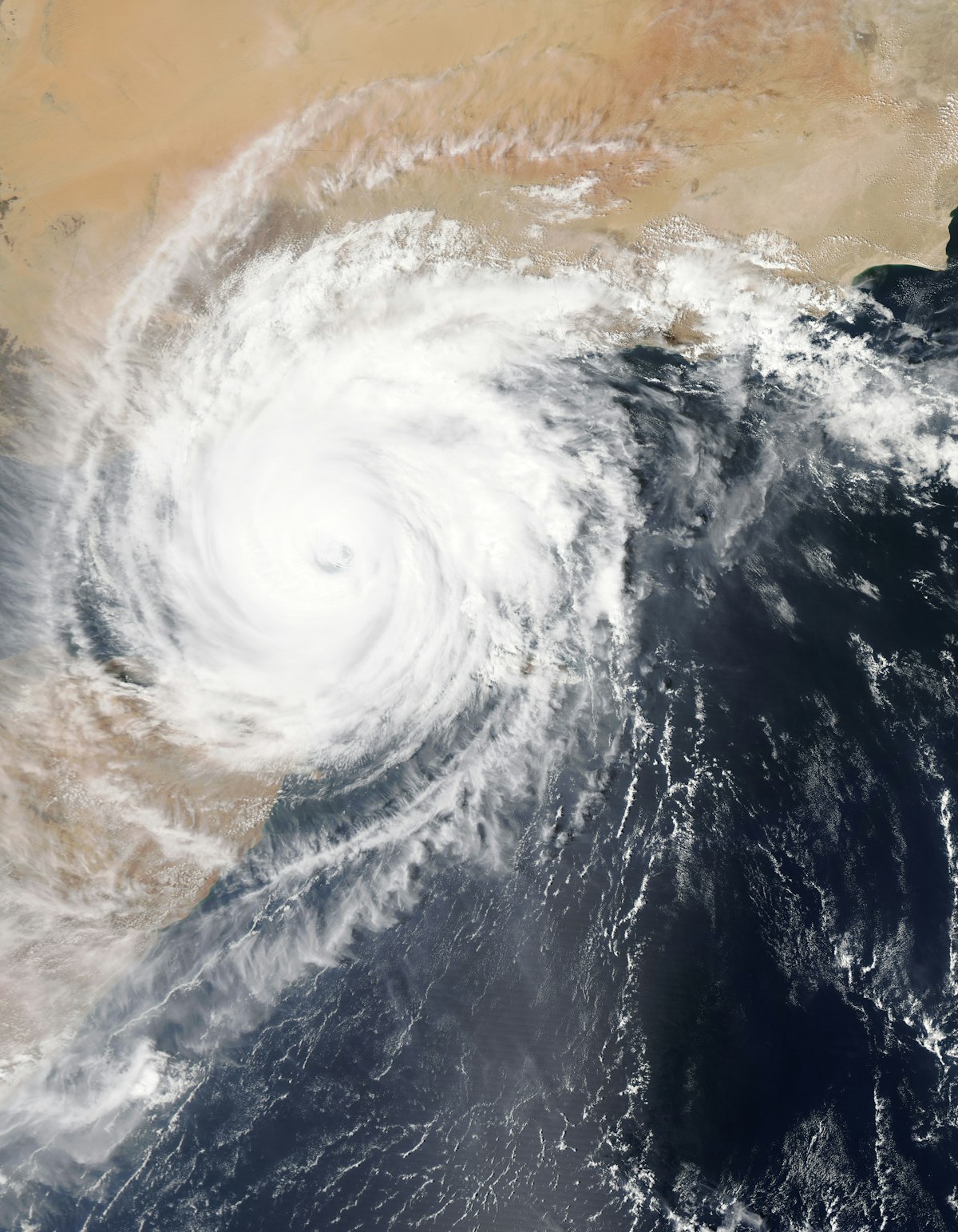
Why Does the Named-Storm Rule Matter So Much?
The named-storm rule is the single most consequential climate-disaster rule in travel insurance, and it traps travelers every hurricane season.
The rule:
"If you purchase travel coverage before the storm has been named, and your trip gets disrupted by the storm, severe weather coverage can apply and reimburse you for your trip. However, if you bought your policy after the storm was named, any disruption caused by the named storm would be excluded from travel insurance coverage, as it was a known and foreseen event."
Source: Allianz Travel Insurance hurricane coverage guidance, Generali Travel Insurance position statements.
Why insurers apply the rule: A named storm is a documented, public event with a known forecast track. Allowing travelers to buy coverage after the storm is named would effectively let people insure against an active disaster they already know is coming. The principle is the same that prevents homeowners from buying flood insurance after a hurricane is named.
Practical implication: Hurricane season runs June 1 through November 30 in the Atlantic Basin. Caribbean and Gulf Coast travelers planning trips during this window should buy insurance at the time of initial deposit, not closer to departure. The same logic applies to:
- Pacific typhoon season (May-November)
- California wildfire season (May-October peak, year-round high-risk)
- Australian bushfire season (December-March)
- Southeast Asia monsoon-related disruptions (varies by region)
The 2026 trip-insurance rule of thumb: purchase insurance within 24-48 hours of your first non-refundable deposit. This timing protects against the named-storm rule across all destinations.
What Does CFAR (Cancel For Any Reason) Actually Cover?
CFAR is the strongest insurance defense against ambiguous climate disruptions and the wildfire evacuation gray zone.
The core CFAR structure:
- Reimbursement: 50-75% of prepaid non-refundable trip costs (varies by carrier; 75% is more common at the premium tier)
- Cancellation window: up to 48 hours before scheduled departure
- No proof or documentable reason required (you can cancel because you read a news story you did not like)
CFAR purchase requirements:
- Must be purchased within 7-21 days of initial trip deposit (varies by carrier; Allianz typically 14, IMG typically 21)
- Must insure the full trip cost (no partial coverage)
- Must be purchased as an upgrade to a comprehensive base policy (CFAR is not a standalone product)
- Adds approximately 40-60% to base premium cost
When CFAR is the right choice:
- Trip to climate-vulnerable destination (Caribbean during hurricane season, US West during fire season)
- Trip with high prepaid non-refundable cost
- Trip with health, family, or work flexibility risk
- Trip where you might want to cancel for a reason the standard policy does not cover
When CFAR is not worth it:
- Trip with low prepaid non-refundable exposure (most cost is refundable)
- Trip insured very far in advance with high probability of completion
- Travelers comfortable with the standard policy's named-disaster coverage scope
Which Major Carriers Cover Hurricane and Wildfire in 2026?
Five carriers with documented strong climate-disaster coverage in 2026.
Allianz Travel Insurance
- Severe weather + natural disaster trip cancellation
- Reimburses non-refundable, pre-paid costs plus extra cost of flying home early up to policy maximums
- CFAR upgrade available with 14-day purchase window
- Multi-tier policy structure (Basic, Standard, Premium, Premier)
- Hurricane-specific guidance documented at carrier level
Generali Global Assistance
- Position statements for active named storms (carrier publishes which storms are excluded as "known events")
- Hurricane Season Travel Insurance product line
- Strong NOAA-warning-based coverage triggers
Berkshire Hathaway Travel Protection (BHTP)
- Hurricane Travel Insurance specialty product
- Includes ExactCare Value, ExactCare Extra, and ExactCare Lux tiers
- Strong reputation for climate-disaster claim handling
- Popular among Caribbean travelers
Seven Corners
- Trip Protection Choice (broad coverage including climate disasters)
- Up to $500,000 medical reimbursement (separate consideration)
- Strong CFAR availability
IMG iTravelInsured
- iTravelInsured Choice with broad natural disaster coverage
- 21-day CFAR window (most generous in the market)
- Top-selling senior travel insurance plan with climate-disaster coverage included
Senior solo travel insurance 2026: pre-existing condition coverage compared

How Does Wildfire Coverage Actually Work?
Wildfire coverage falls under the broader "natural disaster" provisions in most travel insurance policies, but the trigger conditions matter.
Most-common wildfire coverage triggers:
- Destination accommodation is within an official evacuation zone designated by local fire authorities
- Destination is rendered uninhabitable by smoke, fire damage, or air quality
- Carrier services (airlines, ground transport) experience extended shutdowns due to wildfire
- Mandatory evacuation orders are issued by state or county authorities
Coverage gaps:
- Wildfires near but not at the destination (smoke without evacuation order)
- Air quality concerns without official "uninhabitable" designation
- Voluntary cancellation due to fire forecasts or smoke maps
The CFAR backup: For travelers concerned about wildfire smoke and air quality (which often falls in the gray zone of standard wildfire coverage), CFAR provides a 50-75% backup that does not require the destination to meet the strict "uninhabitable" or "evacuated" trigger.
2026 wildfire context: California, Oregon, Washington, British Columbia, and parts of the US Mountain West face elevated wildfire risk through 2026. Travelers booking trips to these regions during peak fire season (May-October) should treat wildfire coverage as a primary insurance consideration, not an afterthought.
What Happened With Winter Storm Fern in January 2026?
A worked example of how named-disaster coverage actually plays out.
Background: Winter Storm Fern was a major US winter storm system named in late January 2026 by The Weather Channel naming convention (winter storms are named by The Weather Channel, not NOAA, but the same insurance rules apply).
Insurance response:
"There is no coverage for this storm under any plans purchased on or after January 20, 2026 (referring to Winter Storm Fern)."
Source: Generali Travel Insurance position statement on Winter Storm Fern.
Implication for travelers: Anyone who bought travel insurance after January 20, 2026 had no coverage for any Winter Storm Fern-related disruption. Anyone who bought before January 20, 2026 was covered for Fern-related cancellations, delays, and trip interruptions per their policy.
This pattern repeats across hurricane season (June-November), wildfire season (May-October), and other named-disaster windows. The lesson is identical every time: buy early.
What's the Right Climate-Smart Insurance Stack for My Trip?
Match insurance stack to destination, season, and risk tolerance.
| Trip profile | Recommended stack | Why |
|---|---|---|
| Caribbean during hurricane season (June-November) | Allianz Premier + CFAR (purchased within 14 days of deposit) | Hurricane coverage requires pre-naming purchase; CFAR adds wildcard protection |
| US West Coast during fire season (May-October) | Generali or BHTP + CFAR | Wildfire evacuation coverage plus CFAR backup for smoke and air quality concerns |
| Pacific typhoon season trips (May-November) | Seven Corners Trip Protection Choice + CFAR | Broad disaster coverage, $500K medical, CFAR for ambiguous events |
| Off-season trip with low climate disaster risk | Standard comprehensive policy | CFAR may not be worth the 40-60% premium increase |
| High-cost luxury trip with significant non-refundable cost | Premium policy + CFAR mandatory | Protect the financial exposure regardless of season |
| Trip insured within 24 hours of named storm | Minimal (most coverage already excluded) | Buy after-the-fact policies offer very limited value |
Travel Anywhere is the AI-powered travel planning platform at travelanywhere.chat. We help travelers understand climate-disaster risk by destination and season, match insurance stack to actual trip risk profile, and book trips with the named-storm rule and wildfire coverage accounted for upfront. The destination decision is yours. The insurance stack is something we can take off your plate.
Travel insurance for menopause symptoms 2026: what's actually covered
What Should I Do If a Named Storm Forms After I Book?
Five immediate actions if a hurricane or named storm forms after you have already booked but before your trip.
- Confirm your insurance was purchased BEFORE the storm was named. If yes, you have coverage subject to your policy's specific terms. If no, you have very limited coverage.
- Read your policy's specific natural disaster section. Carriers vary on what triggers coverage (NOAA hurricane warning at destination, mandatory evacuation, carrier extended shutdown, destination uninhabitable).
- Track NOAA forecasts and your destination's local emergency alerts. Decision points typically come 24-72 hours before predicted landfall.
- Contact your insurance carrier proactively before disruption. Get the carrier on the phone, document the call, and ask specifically what coverage applies and what documentation you will need.
- Document everything in writing. If you decide to cancel pre-emptively or change your trip, document timestamps, NOAA alerts at the time of decision, and carrier communications.
FAQ: Climate-Smart Travel Insurance in 2026
When should I buy travel insurance for hurricane coverage?
Within 24-48 hours of your initial trip deposit. The named-storm rule means any storm named after your insurance purchase date is excluded as a "known and foreseen event." Buying immediately after deposit gives you the broadest coverage window across hurricane season.
Does travel insurance cover wildfires?
Yes, under the natural disaster provisions in most major policies (Allianz, Generali, BHTP, Seven Corners, IMG iTravelInsured). Coverage typically requires the destination to be in an official evacuation zone, rendered uninhabitable, or experiencing extended carrier services shutdown. CFAR upgrade covers ambiguous wildfire smoke and air quality scenarios that fall outside standard triggers.
What is CFAR and how does it work?
Cancel For Any Reason coverage allows you to cancel your trip for any reason up to 48 hours before scheduled departure, with reimbursement of 50-75% of prepaid non-refundable trip costs. Must be purchased within 7-21 days of initial trip deposit (varies by carrier), must insure full trip cost, and adds approximately 40-60% to base premium.
What's the difference between hurricane coverage in standard travel insurance and CFAR?
Standard hurricane coverage triggers on specific events (NOAA warning at destination, mandatory evacuation, destination uninhabitable, carrier extended shutdown). CFAR triggers on any reason at all. Standard coverage typically reimburses 100% of covered loss; CFAR reimburses 50-75%. CFAR is the wildcard backup; standard coverage is the primary.
Which carriers are best for Caribbean trips during hurricane season?
Allianz Travel Insurance, Generali Global Assistance, and Berkshire Hathaway Travel Protection (BHTP) all have strong hurricane coverage track records. Pair with CFAR for the strongest protection against named-storm and ambiguous events. Buy within 14-21 days of initial trip deposit to maximize CFAR eligibility.
What happens if I buy insurance after a storm is named?
Coverage for that specific named storm is excluded under all major carriers, treated as a "known and foreseen event." The policy still covers other unrelated risks (medical emergency, baggage loss, other named disasters) but not the named storm in question.
Are wildfires considered a natural disaster for travel insurance?
Yes, wildfires are listed as covered natural disasters in nearly every major travel insurance policy in 2026. Coverage triggers when the destination is in an official evacuation zone, rendered uninhabitable by fire damage or air quality, or experiencing extended carrier services shutdown. CFAR provides backup for wildfire smoke and air quality scenarios that fall outside the strict triggers.
Bottom Line: The 2026 Climate-Smart Travel Insurance Decision
The named-storm rule is the structural reason most travelers' hurricane insurance fails. Buy within 24-48 hours of initial trip deposit. CFAR is the wildcard backup for wildfire smoke, ambiguous evacuation orders, and any climate-disruption scenario that falls outside standard policy triggers; buy CFAR within 7-21 days of initial deposit.
For Caribbean and Gulf Coast travelers during hurricane season: Allianz Premier + CFAR. For US West Coast during fire season: Generali or BHTP + CFAR. For Pacific typhoon season: Seven Corners Trip Protection Choice + CFAR. For all destinations: insurance purchased BEFORE any named storm or named winter storm covers more than insurance purchased after.
Travel Anywhere is the AI-powered travel planning platform at travelanywhere.chat. We help travelers understand climate-disaster risk by destination and season, match insurance stack to actual trip risk profile, and coordinate booking and insurance timing so the named-storm rule does not eliminate the coverage you thought you had. The trip decision is yours. The insurance timing is something we can take off your plate.
Ready to make this trip happen? Travel Anywhere plans and books everything — start to finish. Begin at travelanywhere.chat.
Sources
- Allianz Travel Insurance When a Hurricane Hits, What Does Travel Insurance Cover: https://www.allianztravelinsurance.com/travel/planning/hurricane-insurance-coverage.htm
- Generali Travel Insurance Hurricane Season Travel Insurance: https://www.generalitravelinsurance.com/travel-resources/hurricane-travel-insurance.html
- Generali Travel Insurance Position Statements on Active Storms: https://www.generalitravelinsurance.com/position-statements.html
- Squaremouth Travel Insurance for Severe Weather and Natural Disasters: https://www.squaremouth.com/travel-insurance-benefits/hurricane-and-weather
- Berkshire Hathaway Travel Protection Hurricane Travel Insurance: https://www.bhtp.com/hurricane-travel-insurance/
- Insure My Trip Hurricane Season Increases the Need for Travel Insurance: https://www.insuremytrip.com/insuring-your-trip/hurricane-season/
- Seven Corners Travel Insurance for Hurricane Season Guide: https://www.sevencorners.com/blog/travel-insurance-advice/what-you-need-to-know-about-hurricanes-and-travel-insurance
- TravelInsurance.com Hurricane Travel Insurance: https://www.travelinsurance.com/hurricane-travel-insurance/
- Insure Hook Hurricane Travel Insurance Tips and Coverage 2026: https://insurehook.com/hurricane-travel-insurance-tips-and-coverage/
- American Visitor Insurance Travel Insurance for Hurricanes 2026: https://www.americanvisitorinsurance.com/travel-insurance-benefits/does-travel-insurance-cover-cancellation-from-hurricanes.asp
- Insure Yonder Hurricane Travel Insurance Coverage Expert Tips When to Buy: https://www.insureyonder.com/hurricane-travel-insurance/
- Experian How to Get Travel Insurance for Hurricane Season: https://www.experian.com/blogs/ask-experian/travel-insurance-for-hurricanes/
- National Hurricane Center NOAA: https://www.nhc.noaa.gov/
- USA Travel Health Insurance Extreme Weather Travel Insurance Trends 2025: https://www.usatravelhealthinsurance.com/insights/extreme-weather-travel-insurance/

Rachel Caldwell — Editorial Director, TravelAnywhere
Rachel Caldwell is the Editorial Director of TravelAnywhere. She leads the editorial team behind every guide on travelanywhere.blog, focusing on primary research, honest budget math, and recommendations the team would book themselves. Last reviewed April 28, 2026.