
Cottagecore travel is slow travel with a specific set of values: land connection, seasonal rhythm, handmade things, rural quiet. The best destinations are the English Cotswolds, County Clare in Ireland, Normandy's Pays d'Auge, Transylvania's Saxon villages (a budget under $55/day), Japan's Yufuin, and Oregon's Willamette Valley. All deliver the aesthetic in different cultural registers; all reward staying in one village longer rather than collecting many.
Key Takeaways
- Cottagecore travel is anti-speed and anti-consumption — the strongest experiences come from staying in one village for four or more days rather than collecting villages.
- The Cotswolds, County Clare, and Normandy are the classic belt; arriving mid-week in May or September avoids peak-season crowds that defeat the slow-travel purpose.
- Transylvania's Saxon villages (Viscri, Biertan) deliver the aesthetic at $30–55/day — Europe's most intact rural destinations and among its cheapest.
- Japan's Yufuin translates cottagecore into Satoyama landscape: onsen ryokan, terraced rice paddies, and bamboo groves at $80–120/day.
- Spring (April–May wildflowers) and autumn (September–October harvest) are the best seasons; winter delivers a different, cosier version at lower prices.
- Solo female travel in cottagecore destinations is safe with preparation: pre-book rural accommodation, download offline maps, and share your walking route with someone.
Cottagecore travel starts with a specific set of values: land connection, seasonal rhythm, handmade things, the texture of old wood and rough stone, wildflowers rather than ornamental gardens. In travel terms, this maps onto old villages, working countryside, rural bookshops, farm stays, hedgerow walks, and coastal paths in October. The kind of place where arriving by train is not an inconvenience. It is the beginning of the experience.
This guide covers the best cottagecore travel destinations for 2026, written from the conscious solo traveller's perspective. If you are still working out which aesthetic fits your style, read the complete travel aesthetic guide first. For the contrasting aesthetic, darker, more urban, Gothic, see the dark academia travel guide.
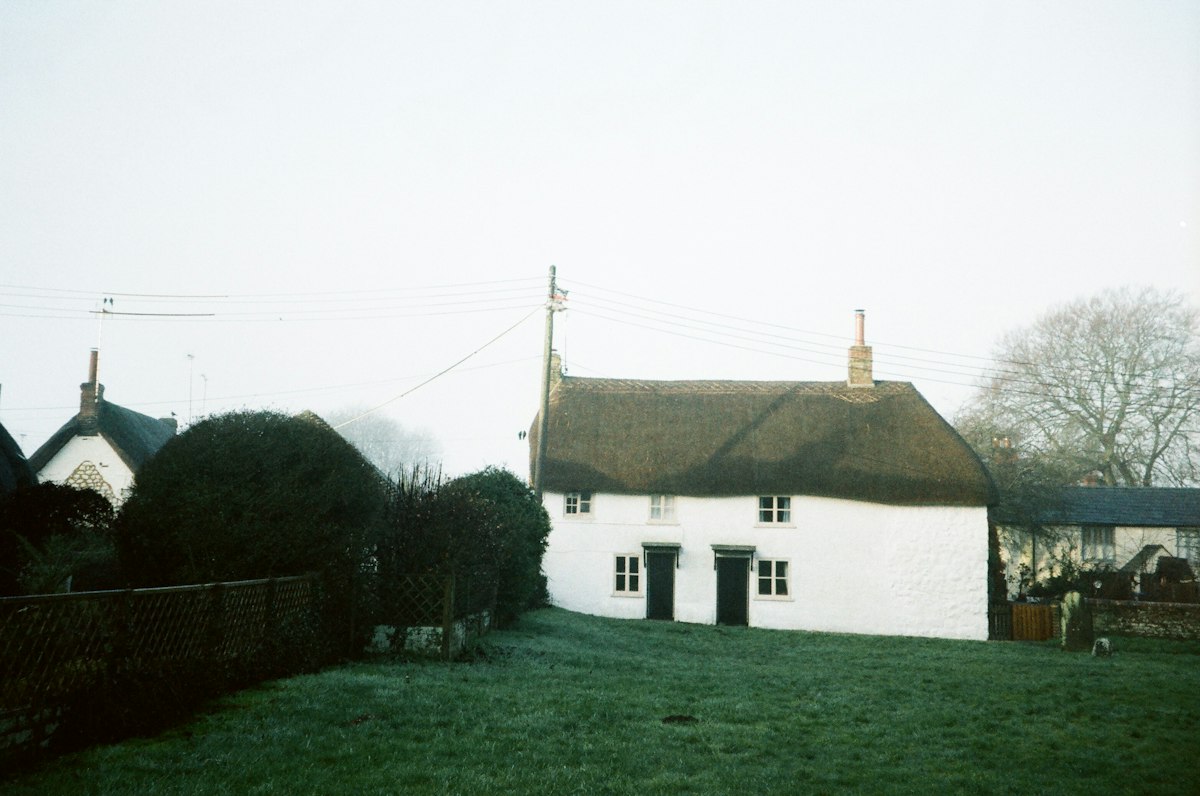
What is cottagecore travel really about?
Most cottagecore travel content treats the aesthetic as a visual checklist: thatched roofs, wildflowers, linen dresses, baskets. This misses what makes it genuinely different from other travel.
The values behind cottagecore are anti-speed, anti-consumption, anti-synthetic. They prefer process over outcome, seasonal produce over year-round availability, handmade over mass-produced, silence over spectacle. These are not just visual preferences. They are a way of experiencing a place.
A cottagecore traveller does not rush the Cotswolds. They stay for four days in a single village. They spend a morning in a local bookshop, an afternoon walking a field path, and an evening in a pub that does not have a DJ. This distinction matters for trip planning. Cottagecore travel rewards slow itineraries, single-base exploration, and genuine engagement with place rather than place-collection.
The financial logic also favours this approach. A week in one village with self-catering accommodation, local food, and free walking costs less than three days in the same village staying in tourist hotels and doing paid tours. Slow travel is not just more authentic. For the cottagecore aesthetic, it is the cheaper option.
The destinations in the table below all deliver the core cottagecore values in different cultural registers. Not all of them look English. All of them reward the same slow travel approach.
| Destination | Country | Season Peak | Daily Budget | Best For |
|---|---|---|---|---|
| Cotswolds | England | April–October | $80–130 | Classic English village aesthetic |
| County Clare | Ireland | May–September | $65–100 | Wild Atlantic coastal cottagecore |
| Normandy | France | May–June, Sept | $70–110 | Orchards, bocage, coastal farmland |
| Transylvania | Romania | April–June, Sept | $30–55 | Fortified churches, Saxon villages |
| Yufuin | Japan | April–May, Oct–Nov | $80–120 | Onsen pastoral aesthetic |
| Willamette Valley | Oregon, USA | June–September | $90–140 | Lavender farms, wine country |
| Wicklow Mountains | Ireland | May–August | $60–95 | Walking country, river valleys |
Daily budgets include accommodation, food, and one activity. Pricing from Lonely Planet destination guides for 2026.
England, Ireland, and Rural France: The Classic Cottagecore Travel Belt
The Cotswolds is the world capital of cottagecore travel. The limestone villages between Oxford and Bath have been producing the aesthetic's reference images since before it had a name: dry-stone walls, honey-coloured facades, wisteria on church porches, gardens of hollyhocks and foxgloves that look as though they planted themselves.
Flagship villages: Castle Combe (England's prettiest village by most accounts), Bourton-on-the-Water (brook through the centre), Lacock (preserved National Trust village with no modern shop signs), Bibury (Arlington Row cottages by the trout stream).
Beyond the flagship list, the cottagecore villages most travel content ignores: Snowshill, Stanton, Great Tew. Less visited, more intact, quieter. The over-photographed villages are beautiful but crowded in summer. If the cottagecore aesthetic is about slowing down, arriving with a coachload of visitors defeats the purpose. The slow travel aesthetic is not compatible with peak-season Bourton-on-the-Water. Come in September or mid-week in May and you find something closer to what the aesthetic actually promises.
For solo women: The Cotswolds is safe and manageable solo. The Gloucestershire Warwickshire Steam Railway connects several villages. Moreton-in-Marsh has a direct National Rail service from London Paddington. A car is useful but not essential if you plan the sequence carefully.
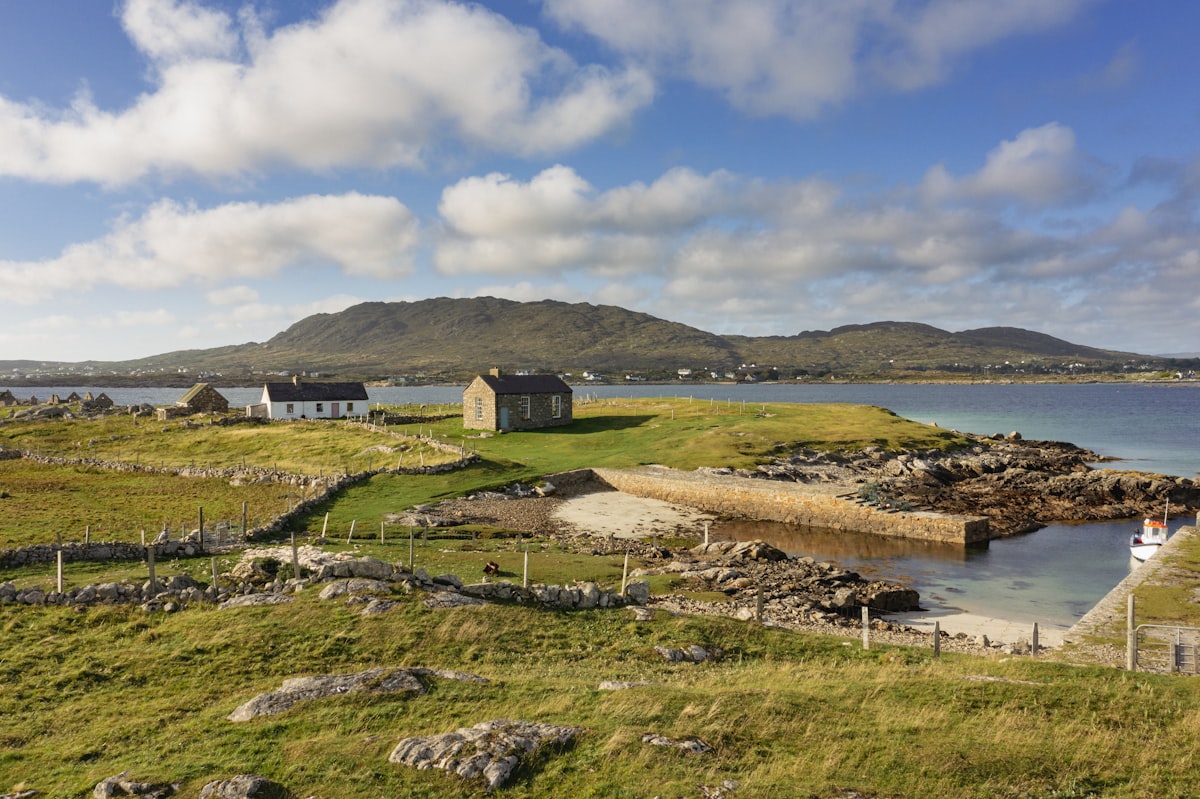
County Clare, Ireland delivers a wilder, less-manicured version of the aesthetic. The Burren region combines wildflowers growing through limestone pavements, medieval tower houses on coast roads, and the specific green-grey light of the west of Ireland from May through September. It looks unlike any other place in Europe and the villages around Kilfenora and Corofin have the same community-embedded life the aesthetic requires.
The Wicklow Mountains, one hour south of Dublin by bus, offer river valley walks and Glendalough's monastic ruins in a glacial valley. Heather moorland that looks exactly like a novel set in 1890s Ireland. Solo female safety: County Clare and Wicklow are both extremely safe. Pre-book accommodation in rural areas and download offline maps before arriving.
Normandy gives you the aesthetic in French: apple orchards in blossom, stone farmhouses with blue shutters, village markets selling unpasteurised cheese and dried herbs in linen bags. The Pays d'Auge between Lisieux and the coast has cider routes through working orchards and the specific Normandy light in May and September that painters have been visiting for 200 years. Paris Saint-Lazare to Lisieux is 2 hours by train, making this one of the most accessible international cottagecore escapes from the UK.
Find character cottages and rural guesthouses in England, Ireland, and France on Airbnb.
Transylvania, Japan, and International Alternatives
Transylvania's Saxon villages ($30–55/day) are among the least visited and most atmospherically intact rural destinations in Europe. Viscri is a Romanian village of whitewashed Saxon farmhouses and a fortified church, surrounded by wildflower meadows managed by local NGOs for sustainable tourism. No coaches. No gift shops. A guest house run by the local community. Fields that look like an English wildflower garden from 1880. Horses and carts on the road at sunrise.
Nearby: Biertan, Saschiz, Malancrav. Each has a fortified Saxon church from the 13th to 16th centuries, a village of painted farmhouses, and the specific quiet that rural Romania still has because it has largely been bypassed by mass tourism. Cluj-Napoca is the nearest major city with flight connections and is 2 to 3 hours from the most scenic Saxon villages.
Yufuin, Japan ($80–120/day) offers the Japanese version of cottagecore. The Satoyama landscape, the traditional agricultural countryside of hedgerows, rice paddies, and bamboo groves managed by generations of the same families, is cottagecore's philosophical source material translated into a different cultural language. Yufuin in Oita Prefecture is a small spa town in a mountain valley with onsen ryokan where dinner is served from local farms and the pace is designed entirely around slow experience. April through May and October through November are the peak seasons for colour and atmosphere.
Willamette Valley, Oregon ($90–140/day) is North America's strongest cottagecore destination. Lavender farms, wine country, farm-to-table restaurants in converted barns, covered bridges, and the gentle rolling farmland of the Eola-Amity Hills. McMinnville works as a base. June through September is the season for lavender (peak in July) and the long golden Pacific Northwest light that makes the landscape look painted.
For more budget alternatives to famous aesthetic destinations, see the aesthetic destination dupes guide and the budget aesthetic travel guide.
What should you actually do on a cottagecore trip?
The strongest version of cottagecore travel is not about seeing things. It is about being present in places where daily life still has a rhythm connected to land, seasons, and community. These are not bucket list activities. They are ways of being somewhere.
Walking: Cottagecore destinations are walking destinations. The Cotswolds Way is a 164km national trail from Chipping Campden to Bath passing through the most intact section of the English limestone belt. The Burren Way in County Clare crosses the limestone pavement with sea views. The Wicklow Way passes through glacial valleys and ancient woodlands. In Normandy, the coastal GR21 follows the cliff path from Etretat to Le Havre through farm fields with chalk sea views. None of these require technical skill or specialist gear.
Seasonal markets and food: Cottagecore travel becomes more real at a Saturday village market than at any tourist attraction. The Cotswolds has weekly markets in Moreton-in-Marsh (Tuesday), Cirencester (Friday and Saturday), and Stroud (Saturday, one of the best food markets in England). In Normandy, every village market between May and September will have local cidre and calvados, unpasteurised cheese, dried herbs, and pottery from local workshops. In Romania, the village festivals in early September produce the most direct version of the cottagecore agricultural calendar.
Farm stays and character accommodation: Staying in a working farm or a shepherd's hut on a working farm rather than a holiday cottage delivers an entirely different version of the aesthetic. The morning sound is different. You have breakfast made from produce that was growing nearby that morning. Sawdays and Canopy and Stars specialise in exactly this kind of accommodation across England, France, and Ireland.
Bookshops: Every cottagecore destination on this list has a regional independent bookshop that should be on the itinerary. In the Cotswolds: Winchcombe Bookshop, Much Ado Books in Alfriston. In Ireland: Kennys Bookshop in Galway, Charlie Byrne's Bookshop on Middle Street. In Normandy: the English-language bookshops in Bayeux. Reading a novel set in the region you are exploring, in the region you are exploring, is one of the simplest ways to slow down. This is not a tip about reading. It is a tip about cottagecore travel: the aesthetic is about immersion, and a novel set in a place makes the hedgerows and farmhouses more legible.
When should you go, and how can solo women travel cottagecore safely?
The cottagecore seasonal calendar:
Spring (April–May): Wildflowers peak in England and France. Bluebell woods in the Cotswolds and the Weald (late April). Apple blossom in Normandy (early May). Best season for colour and mild temperatures.
Autumn (September–October): Harvest season. Orchards in Normandy at peak cider-apple production. Cotswolds crowds drop sharply from mid-September. Best value season for England and the best light for photography.
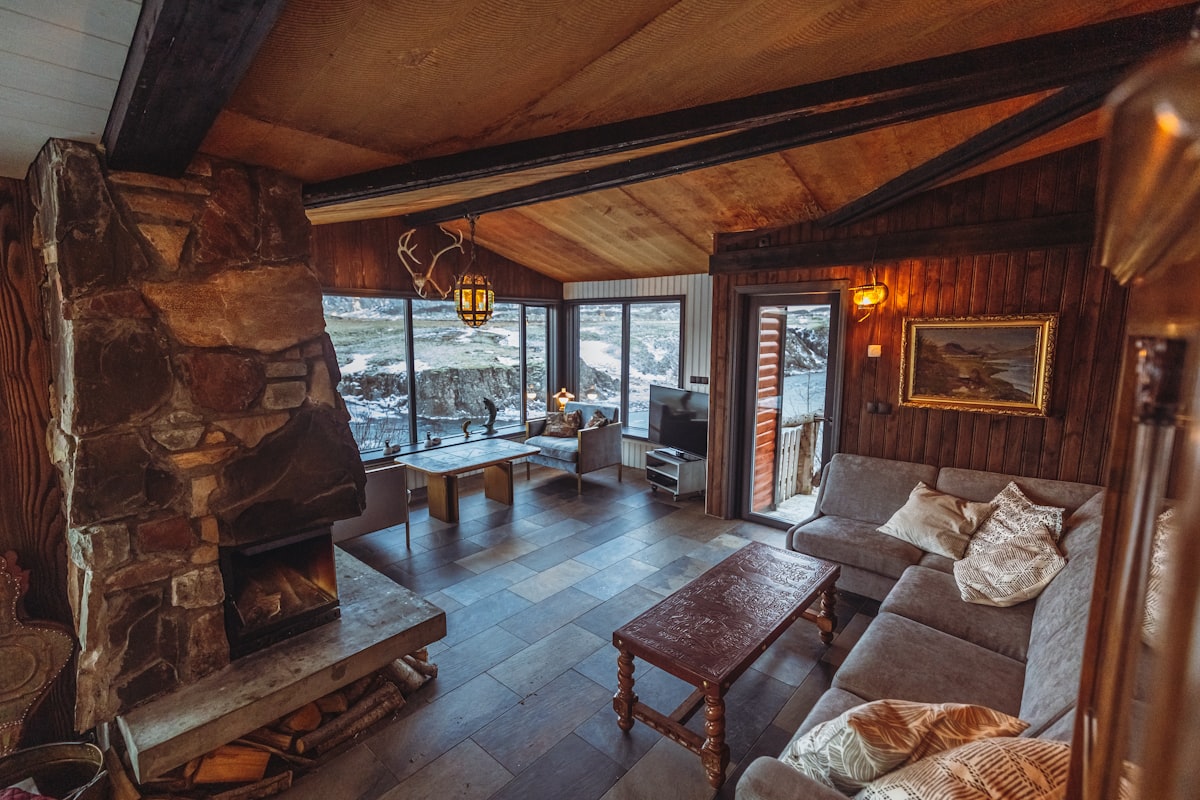
Winter (December–January): Cosy interior aesthetic at maximum intensity. A snow-dusted Cotswolds village or an Irish cottage with a peat fire is the most quintessential version of the winter cottagecore experience. Fewer visitors, lower prices, and the specific light of a short winter day.
Where to stay beyond standard Airbnb: Sawdays (sawdays.co.uk) visits every property in person and specialises in genuine character accommodation across England, France, and Ireland. Canopy and Stars is Sawdays' outdoor arm for shepherd's huts, treehouses, and converted farm buildings. Under the Thatch covers Wales specifically with thatched and historic rural properties. On Airbnb, use "cottage" or "farmhouse" keywords with the "unique stays" filter. For the full method, see the aesthetic Airbnb finds guide.
Browse character cottages and rural guesthouses across Europe on Booking.com.
Solo female safety in the countryside: Rural safety involves different considerations from urban safety. Pre-book all accommodation (rural areas have very limited walk-in availability). Download offline maps before leaving (OS Maps, Komoot, or AllTrails). Tell someone your route for walking days covering more than 5 to 6 miles. Most cottagecore walking is low-risk but weather changes rapidly on moorland and coastal paths.
For guided Burren and Cliffs of Moher experiences in Ireland without needing a vehicle, GetYourGuide lists small-group tours departing from Galway and Ennis.
FAQ: Cottagecore Travel
Is cottagecore travel only in England?
No. England is the most photographed cottagecore destination but the aesthetic maps onto rural destinations globally: Normandy, County Clare, Transylvania's Saxon villages, Japan's Satoyama landscape, and the Willamette Valley in Oregon all deliver cottagecore values in different cultural registers.
What is the best time of year for a cottagecore trip?
April through May (wildflowers, apple blossom, long mild days) and September through October (harvest season, autumn colour, smaller crowds) are the strongest seasons. Summer delivers long golden-hour light but brings peak crowds and prices to the most popular English villages.
Can you do a cottagecore trip on a budget?
Yes. Romania's Transylvania ($30–55/day), Ireland's rural west ($65–100/day), and non-flagship English destinations (Yorkshire Dales, Shropshire, Welsh borders) deliver the aesthetic at lower cost than the Cotswolds. Travelling by train rather than flying, and staying in B&Bs rather than self-catering, significantly reduces costs.
Is cottagecore travel good for solo women?
Yes, with preparation. The main considerations are rural transport planning, offline navigation, and pre-booking accommodation. Most cottagecore destinations in England, Ireland, and France are extremely safe for solo women. The activities are low-risk and oriented toward public spaces: village walks, bookshop mornings, pub evenings.
How do I find a genuine thatched cottage?
Search Sawdays, Canopy and Stars, and Under the Thatch rather than generic Airbnb. These platforms curate for character and have inspected properties in person. On Airbnb, use "cottage" plus destination plus "thatched" or "beams" as search terms and filter by "unique stays." Read photo sequence 4 through 12, not just the cover image, to verify character extends through the whole property.
What should I do on a cottagecore trip besides visiting villages?
Walk a named trail in the area: the Cotswolds Way, the Burren Way, the Wicklow Way. Go to the Saturday village market. Find the local independent bookshop. Cook one meal using produce from a local farm shop. Spend a morning with no phone signal. The point is not the checklist. It is the experience of being in a place at its own pace.
Sources
- National Trust — Cotswolds villages and walking routes
- Burren and Cliffs of Moher UNESCO Global Geopark — official guidance
- Normandie Tourisme — Pays d'Auge cider route and village walks
- Viscri — Mihai Eminescu Trust community tourism for Transylvania Saxon villages
- Sawday's — curated character accommodation across England, France, Ireland
Cottagecore travel is not a theme park version of rural life. The best versions are places where rural life is simply still happening: farms still farming, pubs still serving the same families for generations, hedgerows managed by people who know what grows in them.
The traveller who comes to observe rather than to perform the aesthetic will find more of what they are looking for. Put the phone down for a morning. Walk the path that is not on any map application. The aesthetic takes care of itself when you stop managing it.
Ready to make this trip happen? Travel Anywhere plans and books everything — start to finish.
This post contains affiliate links. If you book through them, we earn a small commission at no extra cost to you.

Rachel Caldwell — Editorial Director, TravelAnywhere
Rachel Caldwell is the Editorial Director of TravelAnywhere. She leads the editorial team behind every guide on travelanywhere.blog, focusing on primary research, honest budget math, and recommendations the team would book themselves. Last reviewed March 30, 2026.