
Dark academia travel is autumn and winter travel to Gothic university cities — Edinburgh, Prague, Oxford, Bologna, Vilnius, Tbilisi, Salamanca. The aesthetic requires ancient universities, stone architecture at scale, candlelit interiors, independent bookshops, and Northern European seasonal gloom. Edinburgh is the flagship; Tbilisi is the budget king at $25–45/day. Visit between October and February or you will be visiting a different version of the same city.
Key Takeaways
- Edinburgh is the world's dark academia capital — medieval closes, 17th-century kirkyards, Armchair Books, and the Bow Bar concentrate the aesthetic at its highest intensity.
- Tbilisi delivers the dark academia feel at $25–45/day — the cheapest and most visually distinctive destination on the list.
- October through February is the core dark academia season; summer visits lose the specific atmosphere the aesthetic is built around.
- Depth beats breadth: one city for five days produces a stronger dark academia experience than three cities in ten days.
- Photography rule: underexpose by 1–2 stops and shoot texture over scale — cobblestones, candle glow, a single book spine tell the aesthetic better than a wide establishing shot.
- Edinburgh, Prague, Oxford, and Bologna all rate as among Europe's safest cities for solo female travellers — dark atmosphere does not correspond to safety risk.
Dark academia travel has a very specific atmosphere. A particular kind of city: old stone, candlelit interiors, medieval lanes, the gloom that Northern European autumn delivers from October through February. You are looking for Gothic architecture, ancient universities, independent bookshops, and pubs where the ceiling is low enough to feel like a private room. It is gothic aesthetic travel at its most specific: literary, seasonal, deeply rooted in place.
This guide covers the best dark academia travel destinations from the solo female traveller's perspective. For an overview of all travel aesthetics, see the complete travel aesthetic guide.
Travel Anywhere plans your dark academia trip: destination, itinerary, and aesthetic accommodation.
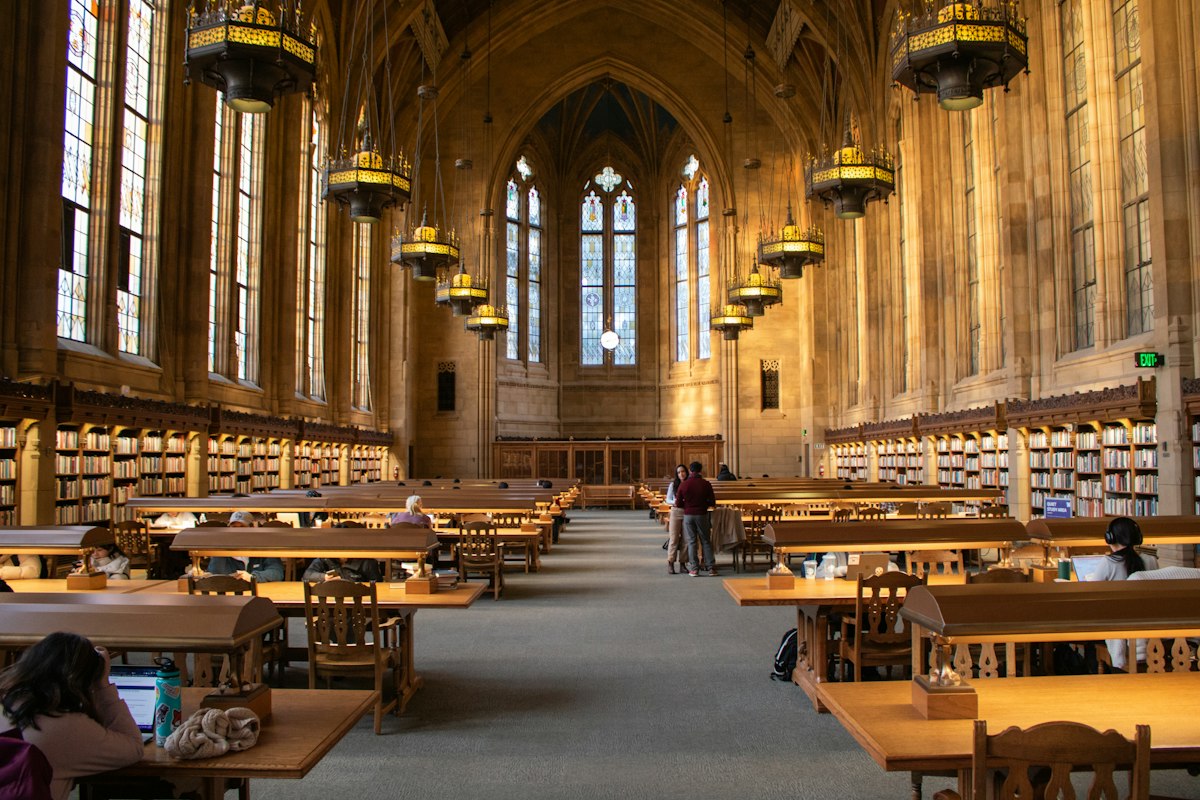
What Makes a City Dark Academia?
Not every Gothic city is a dark academia city. The aesthetic requires a specific combination of features that work together to produce the particular feeling it is after.
Ancient universities: Dark academia was born in the literature of campus life. Cities with universities founded in the medieval period carry a different atmosphere from those with 20th-century institutions. The physical presence of centuries of scholarship, lecture halls, libraries, quads, and students in the same streets that students have walked for 800 years, is part of the aesthetic.
Stone architecture at scale: Edinburgh's tenements, Prague's Charles Bridge, Oxford's dreaming spires. The aesthetic requires mass: buildings that are heavy, old, and built to last. Concrete and glass cities can carry their own energy, but it is not this one.
Candlelit interiors: Pubs, wine bars, bookshop cafes, and restaurants with low ceilings, wooden panels, and warm light. These spaces exist in all old European cities but concentrate in dark academia destinations.
Seasonal atmosphere: Dark academia peaks in autumn and winter. Rain, fog, early dark, the particular quality of grey Northern light on stone: these are not inconveniences. They are the aesthetic at full capacity. The cities on this list are beautiful in every season, but they are specifically themselves in November.
Bookshops: The independent, multi-floor, slightly chaotic kind where you have been browsing for forty minutes and are only on the B section. They exist in every city on this list and function as anchor points for how a dark academia day should feel.
Intellectual weight: Old universities do not just look a certain way. They produce a feeling that has built up over centuries of people thinking hard in stone rooms. The best dark academia cities carry this in their cafes, their lecture halls, their public libraries, and their second-hand bookshop districts. You feel it most in the places where students still actually gather.
The following cities all meet this standard. The table lists them with budget expectations and the optimal season for the aesthetic at full capacity.
| City | Country | University Founded | Daily Budget | Best Season |
|---|---|---|---|---|
| Edinburgh | Scotland | 1583 | $90–150 | October–February |
| Prague | Czech Republic | 1348 | $70–120 | November–March |
| Oxford | England | c. 1096 | $100–160 | October–February |
| Bologna | Italy | 1088 | $70–110 | October–February |
| Vilnius | Lithuania | 1579 | $45–75 | October–March |
| Tbilisi | Georgia | 1918 | $25–45 | October–April |
| Salamanca | Spain | 1134 | $55–90 | October–February |
Daily budgets include accommodation, food, and one activity. Pricing from Lonely Planet destination guides for 2026.
Why is Edinburgh the dark academia capital?
Edinburgh does not merely accommodate the dark academia aesthetic. It invented it. The city that produced Robert Louis Stevenson, Arthur Conan Doyle, and the visual inspiration for half of Harry Potter is Gothic in its bones: the volcanic crag of Castle Rock, the narrow closes running off the Royal Mile, Greyfriars kirkyard with its 17th-century tombstones and the persistent grey light that stays from October until April.
What to do as a solo female traveller:
Greyfriars Kirkyard is safe, open, and free. The 1600s gravestones, iron mortsafes installed against body-snatching, and connections to J.K. Rowling's character names make it one of the most distinctively dark academia sites in the world. Go in the late afternoon in October when the light is leaving and the kirkyard is nearly empty.
Mary King's Close is a preserved 17th-century street beneath the Royal Mile. Guided tours are well-managed and solo visitors are integrated into tour groups without awkwardness.
The Writers' Museum on Lady Stair's Close is free, covers Burns, Scott, and Stevenson in a 17th-century townhouse, and is consistently uncrowded. The building itself is the exhibit.
Bookshops: Armchair Books on West Port is the definitive Edinburgh dark academia bookshop: three floors, books stacked to the ceiling, a policy of acquiring everything and discarding nothing. McNaughtan's Bookshop on Haddington Place is Edinburgh's oldest antiquarian bookshop and carries the particular smell of old paper the aesthetic requires. Both are within walking distance of Greyfriars.
Solo dining and drinking: The Bow Bar, the Oxford Bar, and the Abbotsford on Rose Street all date to the Victorian era, are comfortable for solo women, and none require reservations. The Bow Bar is one of the best whisky bars in Scotland with over 300 malts. For coffee and reading: Brew Lab on South College Street and Cairngorm on Frederick Street both have the right interior weight for a morning with a book.
A morning in Edinburgh: Start at Armchair Books when it opens. Walk to Greyfriars Kirkyard. Cross the Grassmarket and climb Victoria Street, the curved cobblestone street believed to have inspired Diagon Alley, to the Royal Mile. Take a close down to the Writers' Museum. Lunch on Cockburn Street. Afternoon at the National Museum of Scotland (free). Evening at the Bow Bar.
Accommodation: Old Town apartments in Grassmarket and Cowgate deliver the full aesthetic at $100–160 per night. A stone-walled apartment on the Grassmarket costs the same as a chain hotel two streets away and is an entirely different experience of the city.
Search Airbnb for historic Edinburgh apartments in the Grassmarket and Old Town.
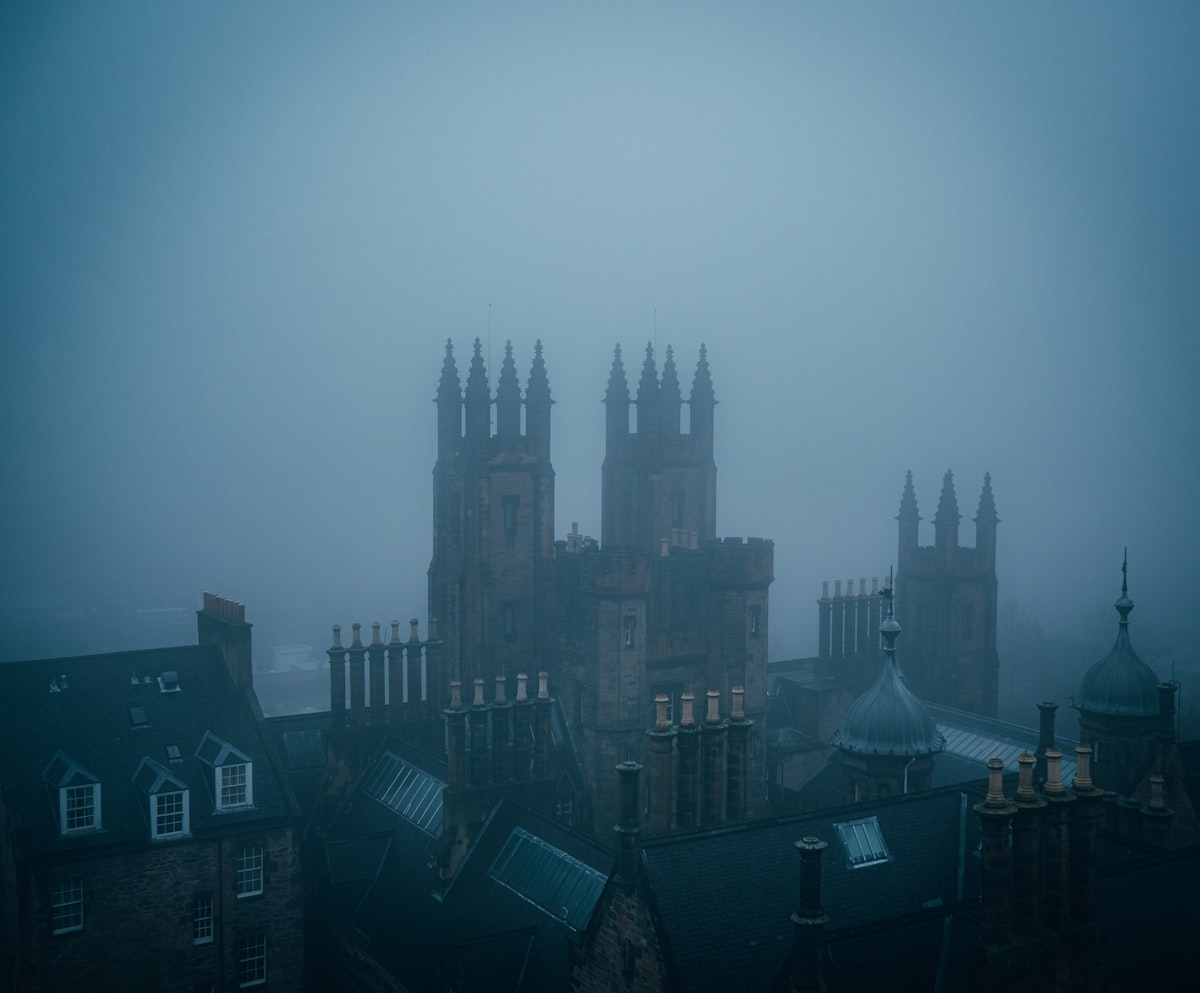
Europe's Dark Academia Cities: Prague, Bologna, Vilnius, and Beyond
Prague ($70–120/day) concentrates its dark academia aesthetic in the Old Town and Malá Strana: the Charles Bridge at fog-misted early morning, the astronomical clock, medieval lanes leading to wine cellars below street level. Charles University, founded in 1348, still holds lectures in original Gothic buildings. The Strahov Library has two baroque halls of ancient manuscripts and ranks among the most photographed library interiors in Europe. The Klementinum's Mirror Chapel and baroque library hall can be accessed on short guided tours and are among the most purely dark academia interior spaces in the world. Lonely Planet's solo travel index consistently rates Prague among Europe's safest cities for solo female travellers.
Oxford ($100–160/day) is what Edinburgh and Prague are channelling. The Bodleian Library's Duke Humfrey's Library, used as a Harry Potter filming location, is accessible on guided tours. The Pitt Rivers Museum with its Victorian natural history cases is the single most dark academia museum in the UK and it is free. Budget eating on Cowley Road keeps the trip manageable despite higher accommodation costs. Blackwell's on Broad Street is one of the most important bookshops in England: five floors including a basement reading room with 160,000 titles. The Covered Market on Market Street has a Victorian iron-and-glass interior with independent traders who have occupied the same stalls for generations.
Bologna ($70–110/day) has the oldest university in the Western world, founded 1088. Its 40km of medieval porticoes let you walk the entire historic centre without rain touching you. The university library quarter around Via Zamboni has bookshops and cafe-bars with the energy of a neighbourhood where students have gathered for nine centuries. The aperitivo culture (free food with drinks from 6pm) makes solo evening dining easy and sociable without requiring a reservation. The Archiginnasio, Bologna's original university building, contains an anatomical theatre built in the 1600s for medical students, now one of the most atmospheric rooms open to the public in Italy.
Vilnius ($45–75/day) delivers Renaissance and Gothic architecture without Prague's tourist density. The old town university quarter has courtyards, arcades, and small bars with the atmosphere of an undiscovered Prague from fifteen years ago. The Hill of Crosses outside the city, a site of Catholic pilgrimage with tens of thousands of crosses, is one of the strangest and most genuinely affecting dark academia sites in Europe.
Tbilisi ($25–45/day) is extraordinary at any price. Cave churches, carved wooden balconies, sulphur bath domes, and the layered history of a city at the crossroads of the Silk Road. The old district of Abanotubani combines Persian and Byzantine architectural influences in a neighbourhood that looks nothing like Western Europe. The best-value dark academia destination globally.
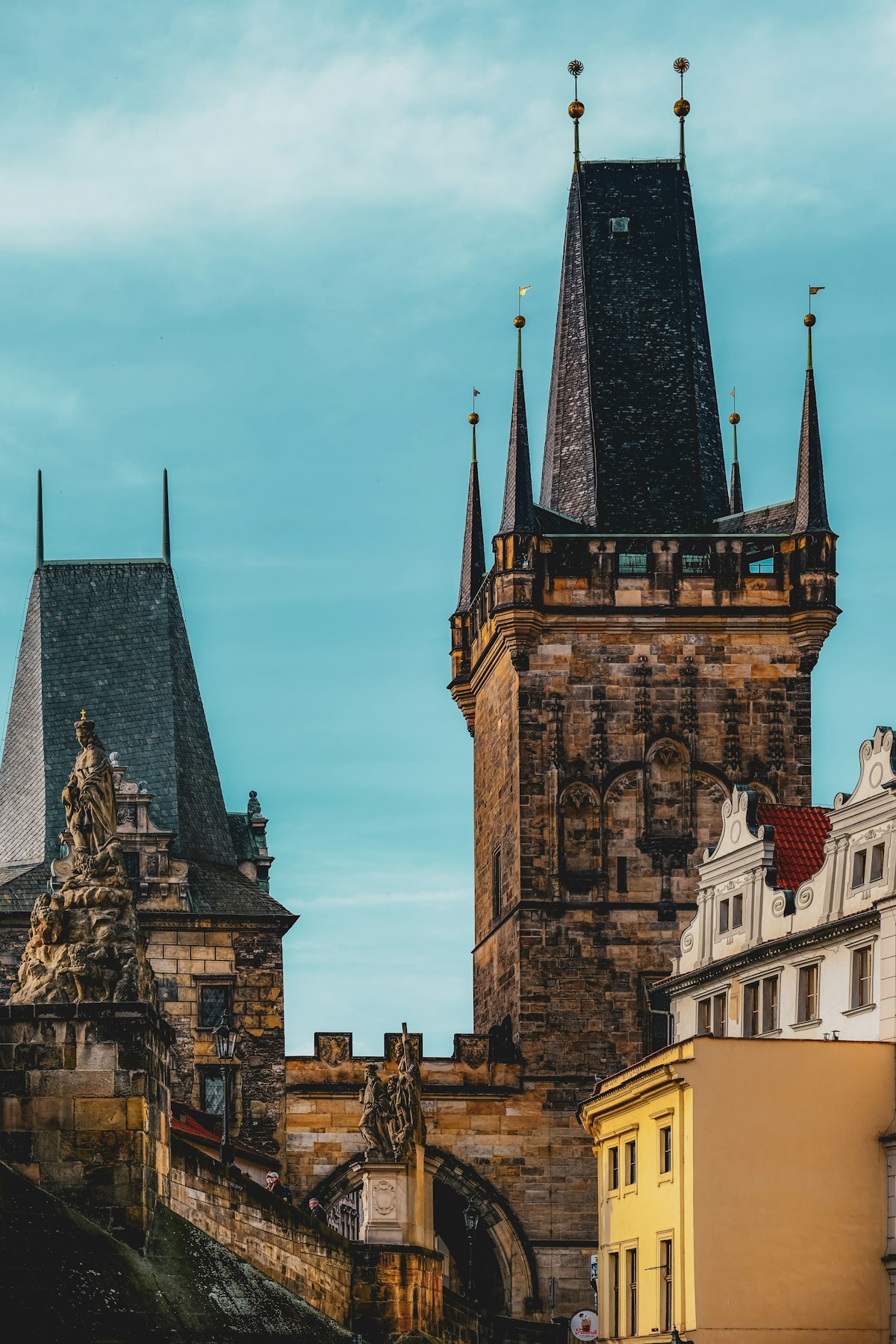
How do you plan a dark academia trip?
The right season matters: October through February is the core dark academia season. The shorter days, grey light, and cold produce the specific conditions the aesthetic is built around. Visiting in November or January also means lower accommodation prices and thinner crowds at the major sites. If you visit in summer, these cities are still beautiful, but you are visiting a different version of them. The dark academia version requires weather.
How to build the itinerary: Dark academia travel rewards depth over breadth. One city for five days is more valuable than three cities in ten days. You need time to develop a relationship with the specific bookshops, the pubs that feel right, the routes that become familiar. A five-day Edinburgh trip allows for two bookshop mornings, one day trip to St Andrews (one hour by train, another ancient university town with coastal ruins), evenings at the Bow Bar, and enough time to simply walk and look.
Getting between cities: Edinburgh to Oxford is straightforward by rail: Edinburgh to London King's Cross takes 4.5 hours on LNER, then Paddington to Oxford is 1 hour. Prague to Bologna by train runs via Munich, roughly 10 hours total but scenic. Vilnius connects to Warsaw and Krakow by overnight train, which suits the aesthetic better than a cheap flight.
What to pack: Wool overcoat, waterproof boots that do not look like hiking gear, layers in charcoal and burgundy and deep green. A small leather notebook. The book relevant to where you are going. Practical additions: a foldable umbrella, a thermos for early morning walks, a power bank. The packing list for dark academia travel is essentially the wardrobe of someone who would make sense in a Victorian library.
Reading list by city: Before Edinburgh: Robert Louis Stevenson's The Strange Case of Dr Jekyll and Mr Hyde. Before Prague: Franz Kafka's The Trial. Before Oxford: Philip Pullman's His Dark Materials. Before Bologna: Umberto Eco's The Name of the Rose. Before Vilnius: Romain Gary's The Life Before Us.
Budget breakdown: Tbilisi is the most accessible at $25–45 per day including accommodation, local food, and entrance fees. Vilnius follows at $45–75. Prague and Bologna are mid-range at $70–120. Edinburgh and Oxford are the most expensive but competitive with other Northern European capitals. The off-season discount in all these cities is significant: a November Edinburgh visit costs 20 to 30 percent less than a July visit.
Browse character hotels and guesthouses for your dark academia itinerary on Booking.com.
How do you stay safe and shoot dark academia photography as a solo woman?
Safety: Edinburgh, Prague, Oxford, and Bologna are all consistently rated among Europe's safest cities for solo female travellers. Gothic atmosphere does not correspond to safety risk. The core dark academia activities (museums, libraries, pubs, bookshops) are all public-space oriented and low risk. For underground or restricted-access spaces, guided tours through GetYourGuide provide access and context for solo visitors without needing to navigate alone. Tbilisi and Vilnius are safe but benefit from basic urban habits: central accommodation, arranged taxis rather than unmarked cabs.
Photography: The shot that captures the dark academia aesthetic is rarely the wide establishing shot. It is the close-up of worn cobblestones, steam rising from a coffee cup, a damp wall with climbing ivy. Texture communicates mood better than scale.
The key rule: underexpose slightly. A correctly exposed photo of a candlelit room looks flatter than an underexposed one that preserves the amber glow and lets the shadows be shadows. Shoot at blue hour, thirty minutes after sunset, for the best results in Gothic cities. Fog is not an obstacle. It is the best light dark academia photography gets.
For bookshop interiors, ask permission at the counter and most independent shops will say yes. For library interiors with photography restrictions: respect the rule, buy the postcard from the gift shop, and focus your camera on publicly accessible areas outside restricted zones.
The wide establishing shot of a famous Gothic building will look like every other photo of it. Photograph a person standing small against the scale of an old building, or a window with light coming through, or the shelves of a second-hand bookshop from the perspective of someone browsing. Specificity is what separates a dark academia photo from a tourist photo.
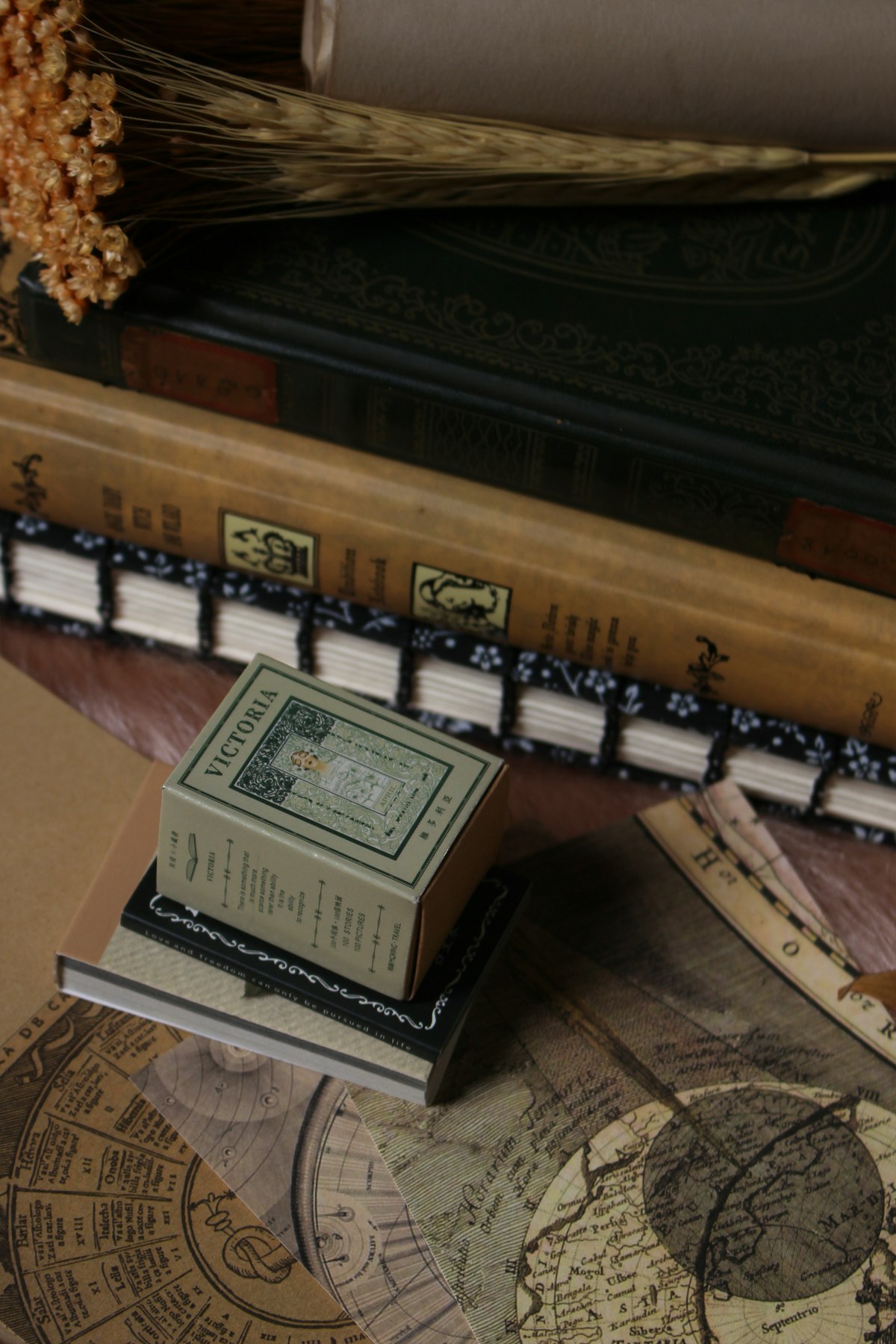
For a full photography guide, read How to Photograph Your Aesthetic Travel Without Looking Like Everyone Else.
FAQ: Dark Academia Travel
What is dark academia travel?
Dark academia travel is travel to destinations that embody the dark academia aesthetic: ancient universities, Gothic architecture, candlelit libraries and pubs, cobblestone streets, and the atmosphere of old Northern European cities in autumn and winter. The aesthetic prizes intellectual atmosphere, stone architecture, and seasonal moodiness over beaches, sunshine, and conventional tourist attractions.
Is Edinburgh the best dark academia city?
Edinburgh has the strongest claim. The city combines a medieval castle on a volcanic crag, 17th-century closes, one of the world's great literary histories, and a November atmosphere the aesthetic was practically designed to describe. The best budget alternative is Tbilisi at $25–45/day.
What time of year is best for dark academia travel?
October through February is the core season in Northern Europe. The shorter days, grey light, and cold produce the conditions that define the aesthetic. Summer in these cities is still beautiful but loses the specific atmosphere. If you can only travel in summer, Prague and Bologna lose the least of their dark academia character in July and August.
Is dark academia travel safe for solo women?
Yes. Edinburgh, Prague, Oxford, and Bologna are consistently rated among the safest European cities for solo female travellers. The activities are public-space oriented and low risk. For Tbilisi and Vilnius, both are safe with basic urban security habits applied.
What should I read before a dark academia trip?
Before Edinburgh: Robert Louis Stevenson's The Strange Case of Dr Jekyll and Mr Hyde. Before Prague: Franz Kafka's The Trial. Before Oxford: Philip Pullman's His Dark Materials. Before Bologna: Umberto Eco's The Name of the Rose. Before Vilnius: Romain Gary's The Life Before Us.
How do I find dark academia accommodation?
Search Airbnb for the Old Town area of each city with filters for "historic" or "unique stays." In Edinburgh, Grassmarket and Cowgate have the most authentic character apartments. In Prague, Malá Strana and the Old Town offer stone buildings with the right weight. Period properties often cost the same as chain hotels and deliver a completely different experience of the same city.
Sources
- VisitScotland — official Edinburgh Old Town and literary heritage guidance
- Bodleian Libraries, University of Oxford — Duke Humfrey's Library tours
- University of Bologna — Archiginnasio Anatomical Theatre
- Prague.eu — official Prague Old Town and Strahov Library guide
- Georgian National Tourism Administration — Tbilisi Old Town (Abanotubani) guide
Dark academia travel is not about recreating a fictional world. Edinburgh did not design itself as a film set. Prague's medieval lanes are 800 years of architecture that film sets try to imitate. The difference between visiting these cities as a tourist and visiting them as a dark academia traveller is attention: different hours, different places, a different thing you are looking for.
Ready to make this trip happen? Travel Anywhere plans and books everything — start to finish.
This post contains affiliate links. If you book through them, we earn a small commission at no extra cost to you.

Rachel Caldwell — Editorial Director, TravelAnywhere
Rachel Caldwell is the Editorial Director of TravelAnywhere. She leads the editorial team behind every guide on travelanywhere.blog, focusing on primary research, honest budget math, and recommendations the team would book themselves. Last reviewed March 30, 2026.