
Your travel aesthetic is the visual and emotional identity behind the trips you take. Finding it is a 4-step process: build your visual language from Pinterest/Instagram saves, identify your travel personality, match the aesthetic to a destination, and build the trip around the vibe. Once you know your aesthetic, planning gets cheaper AND more satisfying because the aesthetic acts as a filter on every decision.
Key Takeaways
- A travel aesthetic is the mood you are chasing, not a list of sights to see — dark academia, cottagecore, cyberpunk, glowmad, Y2K, and conscious slow travel are the 2026 dominant categories.
- Aesthetic-first planning is a financial tool: it filters out $40 activities you would forget so you spend on the experiences that actually match your vibe.
- The visual-language test (scroll Pinterest or Instagram without saving, then scroll again and save only what makes you stop) reveals the aesthetic in under an hour.
- Most aesthetic destinations have significantly cheaper dupes with near-identical vibes — Porto for Paris, Naxos for Santorini, Plovdiv for Edinburgh, Tbilisi for Prague.
- Depth beats breadth: a 10-city tour flattens every aesthetic into a blur; 4 days in one place plus 3 days in another preserves what makes each worth visiting.
- Most of what defines an aesthetic destination (streets, light, cafes, cobblestones) is free — paid tourist attractions are usually the least aesthetic version of the place.
Knowing how to find your travel aesthetic is the difference between trips that feel electric and trips that feel fine. You open Instagram and two travel photos appear. One shows a cobblestone alley in Edinburgh, mist drifting between stone buildings, a cup of tea in someone's gloved hands. The other shows a sun-drenched terrace in Santorini, whitewashed walls, blue domes, a hundred people holding up phones. Both are beautiful. One makes your chest tighten with longing. The other leaves you flat. That gap is your travel aesthetic telling you something. According to Skyscanner's 2026 travel trends report, 33% of travellers now say visual culture directly influences where they go. This guide is the framework to figure out which side of that gap you are on.
What is a travel aesthetic and why does it change how you book?
A travel aesthetic is the visual and emotional identity behind the trips you take. The mood you are chasing, the places that make sense for who you are, the photos you actually want in your camera roll.
It goes further than how destinations look. It is about how they feel. A budget backpacker in Tokyo's neon-lit Shinjuku district and a budget backpacker wandering the ivy-covered lanes of Oxford are both budget travellers on roughly the same daily spend. They are chasing completely different aesthetics, and the trips they plan, the accommodation they book, and the experiences they spend money on will look nothing alike.
Most travel planning starts with a place. "I want to go to Italy." Then you Google things to do, book a packed itinerary, and arrive to find yourself standing in a queue for something you were not sure you wanted to see. Aesthetic-first travel planning flips the sequence. You start with a feeling, then find the places that deliver it. The result is not just a more satisfying trip. It is a more efficient one.
For budget travellers especially, knowing your travel aesthetic is a financial tool. You stop spending $40 on an attraction you will forget and start spending it on a train to a village that makes you feel genuinely alive. The aesthetic acts as a filter on every decision: accommodation, food, activities, pace of movement. Once you have it, planning becomes easier and cheaper at the same time.
Vibe travel, aesthetic travel planning, travel identity: whatever you call it, it all starts in the same place. You have to know what you are actually looking for before you can reliably find it.
How do you find your travel aesthetic in 4 steps?
Step 1: Build Your Visual Language. Open Pinterest or Instagram. Search "travel" and nothing else. Scroll for ten minutes without saving anything. Then scroll again and save only what makes you stop. Do not analyse it. Just react. After 20 or 30 saves, look for patterns. Moody and dark? Light and airy? Urban and neon? Rural and green? This is your visual language. You are not constructing it. You are discovering it.
A useful second method: look at your existing camera roll from past trips. Not the shots you posted. The ones you took for yourself, the ones you never shared, the details you photographed because they caught something you could not explain. Those reveal the aesthetic you are already chasing without knowing it.
Step 2: Identify Your Travel Personality Type. Visual language tells you what you like. Personality type tells you how you travel. Ask yourself: do you want to be in the middle of the action or away from it? Do you care more about what you see or how you feel when you are there? Are you drawn to history and ideas, or to nature and escape? Do you need company or do you do your best thinking alone in a city you do not know?
Someone drawn to old books, mist, and solitary exploration: that is dark academia. Someone who wants long slow days in a rural cottage watching seasons change: that is cottagecore. Someone pulled toward neon cities, street food at midnight, the hum of a city that never sleeps: that is cyberpunk. You do not have to be one thing. Many travellers have a primary aesthetic and a secondary one, and knowing both gives you more to work with.
This is also where a travel aesthetic quiz can be useful: not because it tells you something you did not know, but because it forces you to answer the questions consecutively and see the pattern. The pattern is usually visible within five minutes.
Step 3: Match Your Aesthetic to a Destination. Once you know your aesthetic type, destinations become obvious. The work shifts from "where should I go?" to "which version of this aesthetic do I want to experience?" Dark academia travellers choose between Edinburgh, Prague, Oxford, and Bologna. Cyberpunk travellers choose between Seoul, Tokyo, Hong Kong, and Chongqing. Cottagecore travellers have the Cotswolds, County Clare, and rural Normandy. The destinations follow from the aesthetic. You no longer need to search from scratch.
Your aesthetic is also a budget tool. Most aesthetic destinations have cheaper alternatives with near-identical vibes. You do not need Paris for the romantic European cafe aesthetic. Porto delivers the same mood at half the price. You do not need Santorini for the whitewashed-wall aesthetic. Milos or Naxos are less photographed and significantly cheaper. More in the aesthetic destination dupes guide.
Step 4: Build Your Trip Around Your Vibe. Your accommodation should feel like part of the aesthetic, not a neutral container for sleep. An ivy-covered stone guesthouse in Edinburgh often costs the same as a chain hotel off the main road. The investment is not in price. It is in choosing the right option at the same price.
For activities, seek experiences inherent to the aesthetic rather than the tourist checklist. Dark academia travellers want used bookshops and candlelit restaurants. Cyberpunk travellers want underground clubs and neon-soaked night photography. Cottagecore travellers want hedgerow walks and farm stay breakfasts. Choose depth over breadth: aesthetic travel needs space. A ten-city tour in two weeks flattens every aesthetic into a blur. Staying in one place for four days and another for three days preserves what makes each place worth visiting.
Plan the whole aesthetic trip with Travel Anywhere: it builds your itinerary end to end.
Which 8 travel aesthetics are defining 2026?
| Aesthetic | Mood | Best For | Budget Fit |
|---|---|---|---|
| Dark Academia | Gothic, intellectual, melancholy | History lovers, book people | High |
| Cottagecore | Rural, slow, seasonal | Anyone craving stillness | High |
| Y2K Retro | Colourful, nostalgic, playful | Gen Z nostalgia crowd | Strong |
| Glowmad | Beauty, wellness, cultural rituals | Travel to feel restored | Variable |
| Cyberpunk | Neon, urban, futuristic | City lovers, night photographers | High (Seoul, Taipei) |
| Budget Aesthetic | Visual richness on low spend | Everyone without a big budget | Maximum |
| Destination Dupes | Same vibe, lower cost | Budget-conscious aesthetic travellers | Maximum |
| Conscious Slow Travel | Depth, patina, local rhythm | Anyone exhausted by checklist travel | High |
Dark Academia: Gothic architecture, candlelit libraries, cobblestone streets, ancient universities. The cities that define this aesthetic are Edinburgh, Prague, Oxford, Bologna, Vilnius, and Tbilisi. The season is autumn through winter. The wardrobe is dark wool, leather notebooks, and books you bought at the destination. Read the full Dark Academia Travel Guide.
Cottagecore: Wildflower meadows, thatched roofs, slow mornings, local markets, walking paths. The destinations are the Cotswolds, County Clare, rural Normandy, the Saxon villages of Transylvania, and rural Japan. The slow travel aesthetic here is not incidental. It is the whole point: staying long enough in one village to know the bookshop hours and the pub that does a Thursday quiz. Read the full Cottagecore Travel Guide.
Y2K Retro: Chrome finishes, retro diners, pop-art cities, vintage shopping, the specific visual energy of the early 2000s translated into travel. Miami's Wynwood, Tokyo's Harajuku, NYC's East Village. Budget fit: strong, because vintage markets and thrift stores are the activity. Read the full Y2K Travel Guide.
Glowmad: A 2026 travel trend built around destination beauty culture. Korean skincare clinics, Turkish hammams, Japanese onsen, Moroccan spa rituals. The destinations are Seoul, Istanbul, Marrakech, Kyoto. Budget fit: variable depending on which treatments you pursue. Read the full Glowmad Travel Guide.
Cyberpunk: Neon lights, dense urban layers, street food, the feeling that the future is already here. Seoul, Tokyo, Hong Kong, Chongqing, Taipei. Budget fit is high in Seoul and Taipei where street food costs under $5 and accommodation is competitive. Read the full Cyberpunk Travel Guide.
Budget Aesthetic and Destination Dupes: The places that look extraordinary and cost almost nothing. Tbilisi, Plovdiv, Chiang Mai, Porto, Oaxaca. The aesthetic weight of these places is equal to or greater than their famous equivalents at a fraction of the price. Read the Budget Aesthetic Travel guide and the Destination Dupes guide.
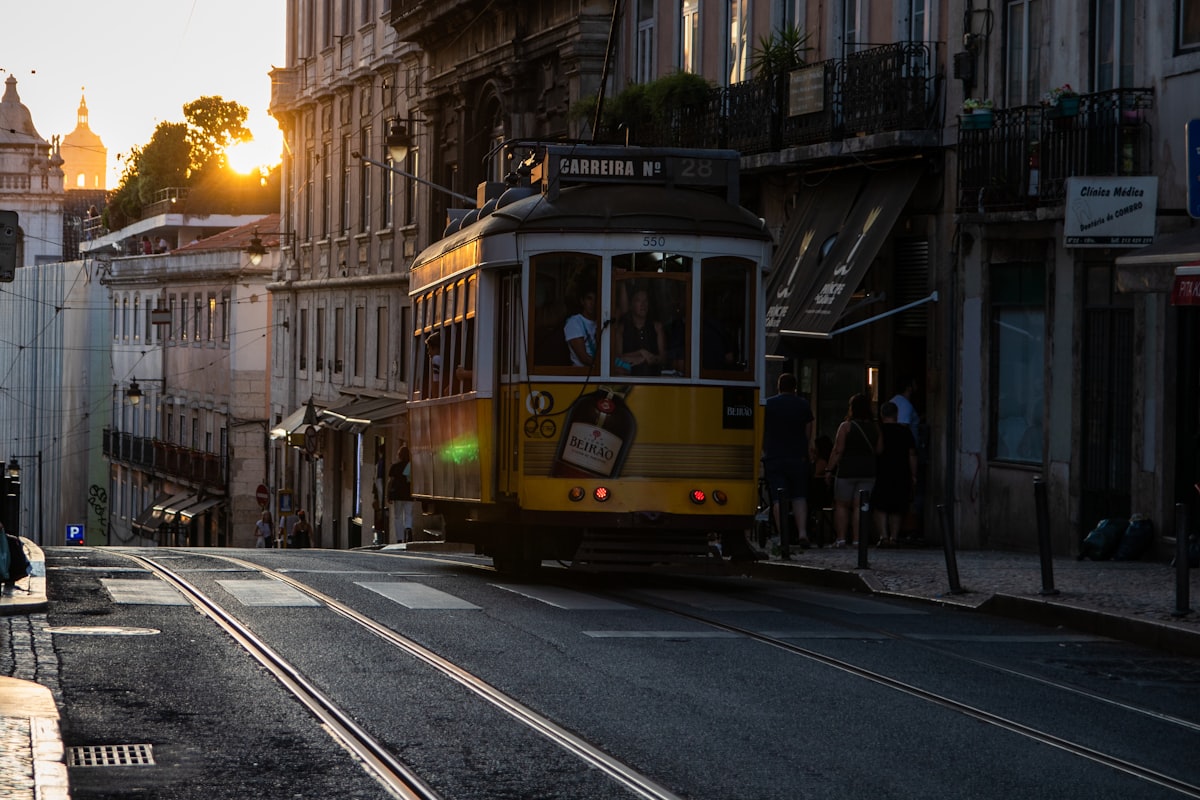
How do you find aesthetic accommodation for your vibe?
Standard booking platforms optimise for ratings and price, not vibe. A 9.2-rated apartment in Prague might be a soulless modern renovation with flat-pack furniture. The 7.8-rated guest room in a 400-year-old merchant's house two streets away is the one you actually want. The difference in price is often zero.
How to filter for aesthetic on Airbnb: search the destination and filter by "unique stays" or "historical" property types. Use descriptive keywords: "stone", "period features", "courtyard", "design", "architect". Read every photo in the listing, not just the cover image. The cover is always the best room. Photos 5 through 12 are where the character shows or fails to show.
For design hotels, Lonely Planet's boutique hotel roundups filter by "boutique" and cut through the marketing language. Sawdays visits every property they list in person; their UK, France, and Ireland coverage is the strongest for cottagecore and dark academia accommodation in those regions.
Find aesthetic Airbnb stays for your travel vibe: filter by "unique stays" and "historic".
The full method for finding accommodation that actually delivers the aesthetic: How to Find Aesthetic Airbnbs and Design Hotels for Your Travel Vibe.
Can you do aesthetic travel on a tight budget?
The places with the strongest aesthetic weight are often the cheapest. Tbilisi, Georgia runs at roughly $30 a day for accommodation and local food. Porto appears in budget travel guides alongside some of the strongest architectural aesthetics in Europe. Chiang Mai, Oaxaca, and Plovdiv are all visually extraordinary, historically rich, and very affordable.
The aesthetic premium, where it exists, usually sits in accommodation. Choosing a character property over a generic chain hotel might cost an extra $15 to $20 a night. Over a ten-day trip that is $150 to $200 extra, and it tends to pay off because the accommodation becomes part of the experience rather than just a place to sleep.
Where budget aesthetic travellers waste money: entrance fees to overrated attractions that do not deliver the aesthetic. The cobblestone street is free. The Gothic cathedral exterior is free. The candlelit pub costs a pint. Most of what defines an aesthetic destination is accessible without a ticket. The paid attractions are often the least aesthetic version of the place.
What to spend on instead: food at local restaurants rather than tourist-facing places, a longer stay in one place rather than three nights in four cities, accommodation with character rather than a better-located chain. These shifts typically save money while making the trip more visually and emotionally coherent.
Browse budget aesthetic stays by destination on Booking.com.
For the full breakdown: Budget Aesthetic Travel: 10 Gorgeous Destinations You Can Actually Afford.
For guided aesthetic experiences at your destination, GetYourGuide lists locally-led tours by neighbourhood and vibe, filtered by city and activity type, not just "most popular."
FAQ: Travel Aesthetic Questions
What is a travel aesthetic?
A travel aesthetic is the visual and emotional identity behind the kind of travel you are drawn to. It is the mood you are chasing, the kinds of places that feel right when you see them, and the type of photos you actually want on your camera roll. Examples: dark academia (Gothic cities, candlelit pubs), cottagecore (rural villages, wildflower paths), cyberpunk (neon-lit Asian cities, dense urban layers).
How do I find my travel aesthetic?
Start with Step 1 of the framework above: build a visual language by saving travel images on Pinterest or Instagram without thinking about why. After 20 to 30 saves, look for patterns. Most people identify their primary aesthetic in under an hour. A travel aesthetic quiz can accelerate this by forcing you through the key questions consecutively.
What is the most popular travel aesthetic in 2026?
Dark academia, cottagecore, and glowmad (beauty tourism) are the fastest-growing, according to Skyscanner's 2026 travel trends report. Y2K retro is also accelerating among Gen Z travellers.
What is glowmad travel?
Glowmad is a 2026 travel trend describing travel built around a destination's beauty culture: Korean skincare clinics, Turkish hammams, Japanese onsen, Moroccan spa rituals. The destinations best associated with it are Seoul, Istanbul, Marrakech, and Kyoto. Read the full Glowmad Travel Guide.
Is aesthetic travel expensive?
No. Tbilisi, Porto, Oaxaca, Plovdiv, and Chiang Mai all appear in both budget travel guides and aesthetic photography feeds regularly. The aesthetic is in the texture of a place, not its price point. The key insight: most of what makes an aesthetic destination feel right is free or very cheap (walking the streets, sitting in a cafe, finding the right neighbourhood). The tourist attractions are often the least aesthetic version of the place.
How do I find an aesthetic Airbnb?
Filter by "unique stays" and "historical" property types. Use descriptive search keywords: "stone", "courtyard", "period features". Read the full guide: How to Find Aesthetic Airbnbs and Design Hotels.
Can I have more than one travel aesthetic?
Yes. Most travellers have a primary aesthetic and a secondary one. Someone whose primary aesthetic is dark academia might have a secondary aesthetic of budget slow travel. Someone primarily cottagecore might have a secondary cyberpunk aesthetic for city trips. The framework works with both. Start by identifying the primary one and let the secondary emerge from planning a few trips.
Sources
- Skyscanner 2026 travel trends report
- Lonely Planet boutique hotel roundups
- GetYourGuide curated experiences
Knowing how to find your travel aesthetic is the starting point for a completely different relationship with travel. You stop chasing what you think you are supposed to want and start building trips around what actually moves you. The destinations are out there. The budget is manageable. The aesthetic is yours.
Ready to make this trip happen? Travel Anywhere plans and books everything — start to finish.
This post contains affiliate links. If you book through them, we earn a small commission at no extra cost to you.

Rachel Caldwell — Editorial Director, TravelAnywhere
Rachel Caldwell is the Editorial Director of TravelAnywhere. She leads the editorial team behind every guide on travelanywhere.blog, focusing on primary research, honest budget math, and recommendations the team would book themselves. Last reviewed March 30, 2026.