
The Y2K travel aesthetic maps candy-chrome-neon pop culture nostalgia onto real cities where the 1998 to 2005 visual language is still continuously alive: Tokyo's Harajuku, Seoul's Hongdae and Myeongdong, Miami's South Beach, Bangkok's Chatuchak, and Taipei's Ximending. Asian cities deliver the strongest Y2K density at the lowest daily cost. Shoot pastel architecture at flat morning light and neon signs at blue hour.
Key Takeaways
- Tokyo's Harajuku and Shibuya have the densest continuously-running Y2K pop culture of any city in the world; the aesthetic here is not retro, it is continuous.
- Seoul (Hongdae plus Myeongdong) is the best value-for-density Y2K destination at 50 to 80 dollars a day, with K-beauty retail culture and the HYBE K-pop archive.
- Miami's South Beach is the Y2K aesthetic as an Art Deco set, most photogenic in the morning before heat arrives and strongest February through April.
- Southeast Asian cities (Bangkok, Taipei, Kuala Lumpur, Manila) all contain strong Y2K pockets at 30 to 70 dollar daily budgets, with night-market neon culture as the primary format.
- Pastel architecture photographs best in flat morning light; neon signage photographs best at blue hour, 20 to 30 minutes after sunset.
- Purikura print-club photo booths exist in Tokyo, Seoul, and Taipei arcades for 3 to 6 dollars and produce a Y2K-specific photographic format no phone can replicate.
The Y2K aesthetic is not just nostalgia. It is a specific visual language: bubblegum pinks and chrome metallics, low-rise colour-blocks and neon signage, the maximalist density of a world that had just discovered it could make things shiny and was not yet sure when to stop.
For travel, this aesthetic maps onto real places in specific ways. Tokyo's Harajuku district still runs on candy-colour pop culture energy. Miami's South Beach was literally designed to look exactly like a Y2K mood board. Seoul's Hongdae neighbourhood has the K-pop archive and purikura photo booth density that defined the aesthetic's original reference points.
The Y2K travel guide is the first dedicated resource for destinations that deliver this aesthetic. If you have already identified Y2K as your travel vibe, this is where to go. If you are still working out your travel aesthetic, the complete travel aesthetic guide will help you confirm the match before you book.
Travel Anywhere plans your Y2K aesthetic trip from destination to itinerary.
What Is the Y2K Travel Aesthetic?
The Y2K aesthetic takes its reference from 1998–2005 pop culture at peak consumer confidence: the era of MTV Total Request Live, Britney Spears chrome bodysuits, Nokia phones with interchangeable faceplates, and a visual culture that equated the future with colour, shine, and saturation.
In travel terms, this translates to destinations and experiences with:
- Candy-coloured architecture (pastel pinks, blues, lime greens)
- Neon and LED signage density
- Pop culture oversaturation (branded stores, character cafes, merchandise arcades)
- Chrome, metallic, and iridescent surfaces
- Retro tech and retro commercial culture still operating
- High-density street markets with fast, colourful commercial energy
The Y2K aesthetic in travel is distinct from cyberpunk (which is darker, rainier, more dystopian) and distinct from cottagecore (nature-based, slow, organic). It is urban, energetic, and playful. See the Cyberpunk Travel Guide for the darker adjacent aesthetic.
Which destinations deliver the Y2K aesthetic in 2026?
| Destination | Y2K Element | Daily Budget | Best District |
|---|---|---|---|
| Tokyo, Japan | Pop culture archive, Harajuku candy culture | $80–130 | Harajuku, Shibuya |
| Seoul, South Korea | K-pop stores, beauty aesthetic, arcades | $50–80 | Hongdae, Myeongdong |
| Miami, USA | South Beach Art Deco pastel + neon | $80–130 | South Beach, Wynwood |
| Bangkok, Thailand | Neon market culture, retro signage | $30–55 | Chatuchak, Silom |
| Taipei, Taiwan | Night market neon, Y2K retail density | $40–70 | Ximending, Shilin |
| Manila, Philippines | Mall maximalism, Y2K commercial culture | $30–50 | BGC, Quezon City |
| Kuala Lumpur, Malaysia | Millennium-era architecture, KLCC | $35–60 | KLCC, Bukit Bintang |
Daily budgets include accommodation, food, and one activity. Skyscanner's destination data for 2026 was used for pricing context.
Why is Asia the capital of Y2K aesthetic travel?
Tokyo, Japan: Harajuku and Beyond
Harajuku's Takeshita Street is the original reference point for Y2K candy culture in travel. The street has operated as a showcase for youth subculture maximalism since the early 2000s: crepe stands in neon colours, gothic lolita fashion boutiques, character merchandise stores stacked floor-to-ceiling, purikura photo booths where the machine itself applies makeup and stickers to your image.
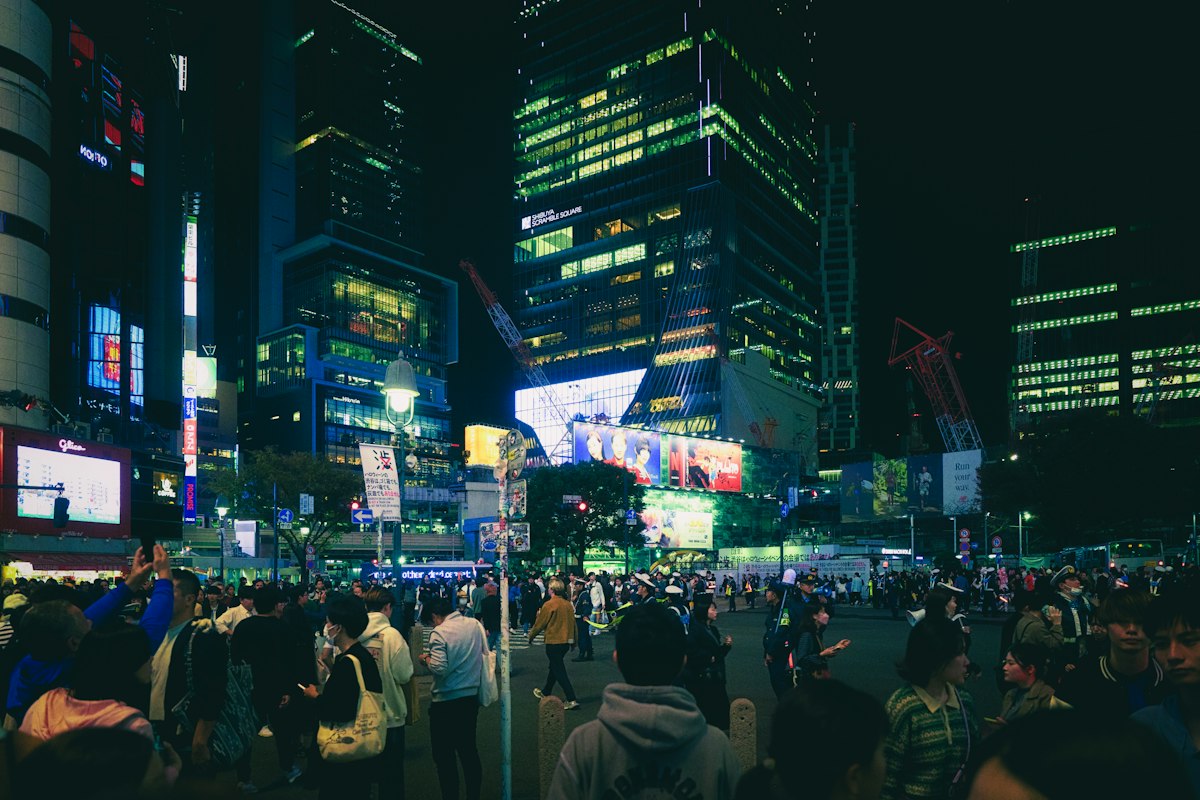
Shibuya's Scramble Crossing, Akihabara's anime merchandise district, and the indoor theme restaurant scene (owl cafes, maid cafes, robot restaurants) give Tokyo a Y2K pop-culture density that no other city can match. The aesthetic here is not retro: it is continuous. Tokyo never stopped making things maximally colourful.
Daily budget: $80–130. For guided experiences that go deeper than tourist-facing stores, GetYourGuide lists Harajuku fashion and subculture tours. Accommodation in Shibuya or Shinjuku runs $50–90 per night.
Seoul, South Korea: Hongdae and the K-Pop Archive
Seoul's Y2K energy lives in two places: Hongdae (the university neighbourhood with its indie music venues, vintage fashion floors, and art-school street culture) and Myeongdong (the beauty shopping district where COSRX flagship stores stand alongside SK-II counters and the specific candy-neon signage that makes K-beauty retail a visual experience).
The HYBE Insight museum in Yongsan is a purpose-built K-pop archive: interactive exhibitions covering the production of some of the most aesthetically coordinated pop culture of the 2000s and 2010s. The Line Friends and Kakao Friends flagship stores deliver the character merchandise density that the Y2K aesthetic requires.
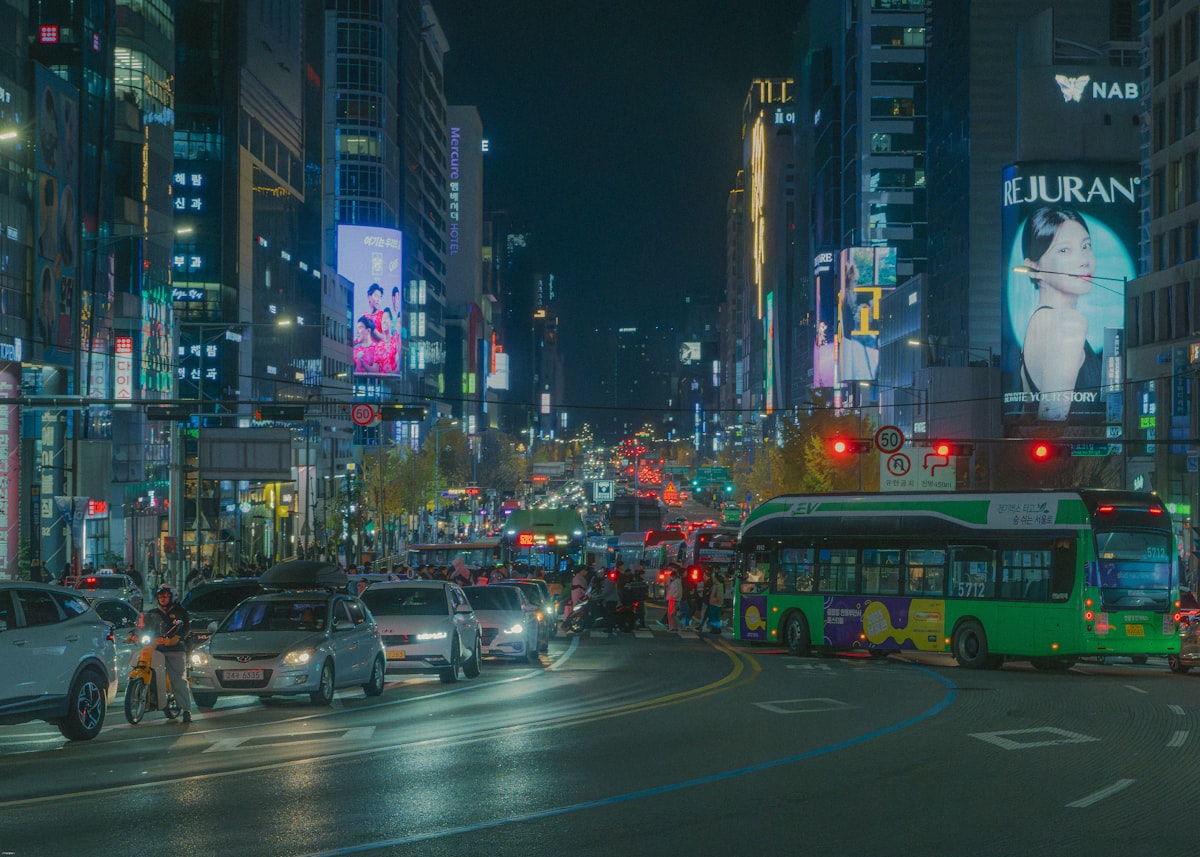
Daily budget: $50–80. Seoul is one of the best-value major cities for Y2K aesthetic travel. A shared guesthouse or budget private room in Hongdae runs $30–50 per night.
Bangkok, Thailand: Neon Market Culture
Bangkok's Y2K aesthetic lives in its commercial density: the Chatuchak Weekend Market (15,000 stalls, retro clothing sections, vinyl records, retro homeware), the neon-lit street-food corridors of Silom and Sukhumvit, and the entertainment district energy of Asok and Thonglor.
The J.J. Market's vintage clothing sections contain Y2K-era garments still being sold as current fashion. The neon sign culture of the older commercial districts (Chinatown, Sampeng Lane) predates Y2K but overlaps visually with the aesthetic in ways that make Bangkok one of the most photogenic budget options on this list.
Daily budget: $30–55. Bangkok is the cheapest major Y2K-aesthetic city with easy access to the rest of Southeast Asia.
Taipei, Taiwan: Ximending and the Night Market Circuit
Taipei's Ximending is East Asia's answer to Tokyo Harajuku: a pedestrianised district of youth fashion boutiques, character merchandise stores, and street food stalls designed for the young consumer maximalism that defines Y2K taste. At night, the Shilin Night Market adds another layer: 500+ stalls, LED-lit food stands, game booths, and the specific Taiwan night market aesthetic that influenced Taiwanese pop culture throughout the 2000s.
Daily budget: $40–70. Taipei is consistently ranked as one of the most underrated destinations in Asia. For a deeper look at Taipei's neon aesthetic alongside other cyberpunk-adjacent cities, see the Destination Dupes guide on Tokyo alternatives.
Where does Miami fit into the Y2K travel map?
Miami, Florida: South Beach as a Living Y2K Set
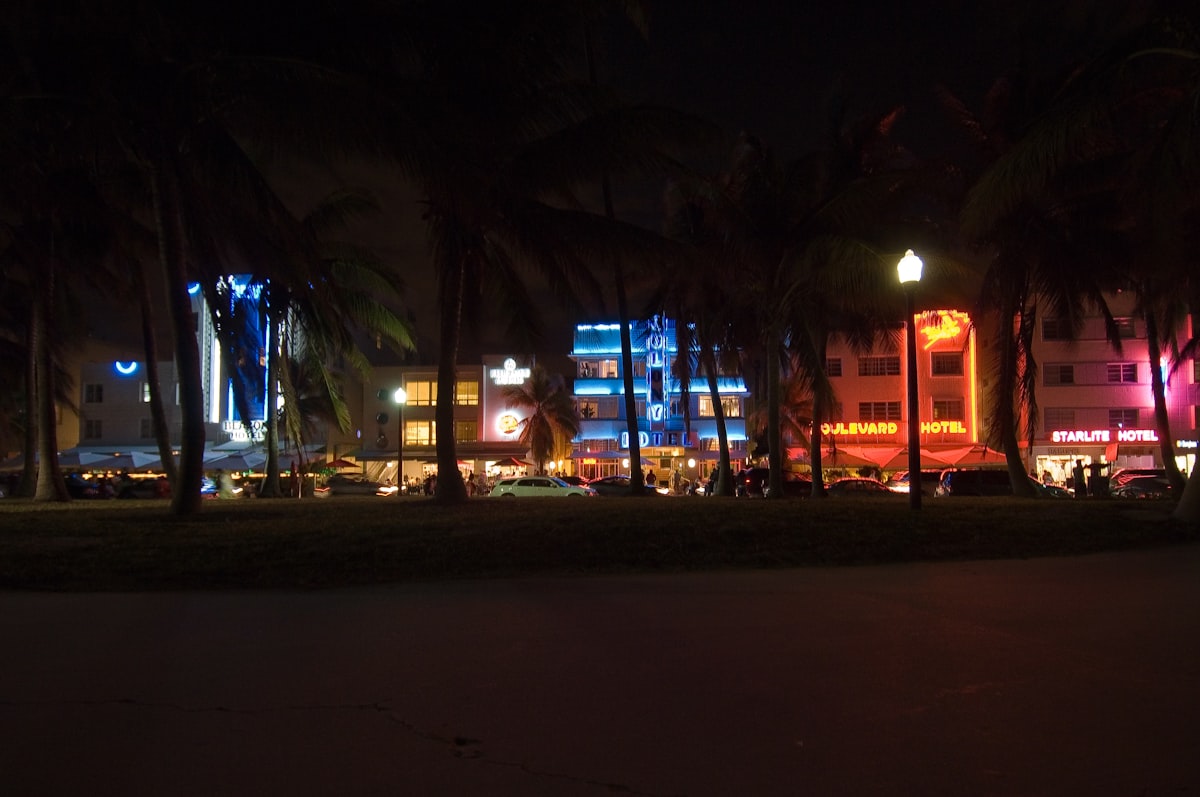
South Beach was the aesthetic backdrop for more Y2K pop culture than almost any other single location. The pastel pinks and turquoises of the Art Deco buildings on Ocean Drive, the neon signs on Collins Avenue, the rooftop pool parties and the particular energy of a place that runs on spectacle: Miami did not adopt the Y2K aesthetic. The Y2K aesthetic adopted Miami.
For budget travellers, South Beach's aesthetic is accessible without staying in the expensive ocean-facing hotels. Walk Ocean Drive for free. Photograph the Versace Mansion facade for free. Eat at the Cuban diners on Calle Ocho ($8 for a full lunch). The neon energy of Wynwood's mural district adds a contemporary layer on top of the original Art Deco base.
Daily budget: $80–130. Higher than Asian cities but the aesthetic reward is immediate and immersive. The Spring Break energy is strongest February through April, which is also peak aesthetic concentration.
How can you find Y2K experiences in any city?
Even cities not on this list have Y2K pockets if you know how to find them:
Retro shopping malls: The early 2000s mall aesthetic exists in cities globally, particularly in Southeast Asia and Latin America, where mall culture was at its peak in that era. Search for indoor markets, food courts, and retail complexes that opened between 1995 and 2008. They often retain original signage, lighting, and layout.
Neon sign districts: Historic commercial districts in Asian cities, Eastern European capitals, and US downtown cores often have surviving neon signage from the Y2K era. In Hong Kong, the Yau Ma Tei neon sign district is one of the world's last intact high-density neon-sign neighbourhoods.
Character café and branded merchandise stores: These are concentrated in Tokyo and Seoul but have outposts in Taipei, Bangkok, and Singapore. GetYourGuide and local tourism boards list guided subculture and shopping tours that provide access to these experiences with context.
How do you photograph the Y2K aesthetic?
The Y2K aesthetic photographs best in these conditions:
Daylight: Pastel architecture and candy-coloured storefronts shoot best in flat, bright overcast light or in the mid-morning before direct sun bleaches the colour. Miami's Ocean Drive at 8am before the heat arrives. Harajuku's Takeshita Street before midday crowds.
Blue hour: Neon signage and LED storefronts come alive at blue hour (20–30 minutes after sunset) when the sky provides contrast without being fully dark. This is the best window for Shibuya Crossing, Hongdae's main strip, and Bangkok's entertainment districts.
Purikura and print club photography: These automated photo booths, which apply stickers, virtual makeup, and frames to your image, are a Y2K-specific photographic format that is not replicable by phone. They exist in arcades throughout Tokyo, Seoul, and Taipei for $3–6 per session.
For more on aesthetic travel photography, including composition and timing guides, see the aesthetic travel photography guide.
What should you know before a Y2K trip?
Harajuku's Takeshita Street draws over 100,000 visitors daily on weekends. Shibuya Crossing is a tourism spectacle as much as a functional crosswalk. Miami's South Beach has a gap between the Instagram version and the ground-level reality of crowded beaches and high food prices.
The Y2K aesthetic works best in shoulder seasons. Tokyo in April or late October, Seoul in May or September, and Miami in late January or early March deliver the visual energy without peak-season crowds and prices.
FAQ: Y2K Travel
What is the Y2K aesthetic in travel?
The Y2K travel aesthetic refers to destinations and experiences that embody the visual culture of 1998–2005 pop culture: candy-coloured architecture, neon signage, pop culture maximalism, and chrome or metallic surfaces. The aesthetic is urban, energetic, and playful rather than slow or nature-based.
Where is the best Y2K destination in the world?
Tokyo's Harajuku district is the single strongest Y2K travel destination: candy-colour youth fashion, character merchandise density, purikura booths, and a pop culture archive that has operated continuously since the early 2000s. Seoul's Hongdae and Myeongdong are the best budget alternatives at significantly lower daily cost.
Is Y2K travel expensive?
No. The strongest Y2K aesthetic is concentrated in Southeast and East Asia, where daily budgets run $30–80. Bangkok and Manila are the cheapest options. Tokyo is the most expensive but has more Y2K depth than any other city. Miami and Las Vegas are the most expensive Y2K destinations and require specific budget planning.
How is Y2K different from cyberpunk in travel terms?
Y2K is candy-coloured, playful, and pop-culture-referential. Cyberpunk is dark, rainy, neon-in-darkness, and dystopian. Both have neon but they use it differently. Tokyo at 10am in Harajuku is Y2K. Tokyo at 2am in Shinjuku crossing neon rain is cyberpunk. The full Cyberpunk Travel Guide covers the darker aesthetic in depth.
What should I photograph on a Y2K trip?
The key Y2K photography targets are: Art Deco pastel facades at flat morning light, neon signage at blue hour, character merchandise store interiors, purikura print sessions, and high-density street scenes with visible branded signage and colour saturation. The aesthetic rewards detail shots (a single neon sign, a pastel door handle, a row of merchandise) as much as wide-angle street scenes.
Sources
- Skyscanner 2026 travel trends report
- GetYourGuide Tokyo subculture tours
- Japan National Tourism Organization (JNTO)
- Miami Design Preservation League
The Y2K aesthetic is not a phase that passed. It is a visual language that formed the imagination of a generation now actively deciding where to spend its travel budget. Miami built the set. Tokyo ran the scenario. Seoul wrote the music. The world's Y2K destinations are not nostalgia trips. They are places where the aesthetic never left.
Ready to make this trip happen? Travel Anywhere plans and books everything - start to finish.
Some links in this post are affiliate links. We earn a small commission at no extra cost to you.

Rachel Caldwell — Editorial Director, TravelAnywhere
Rachel Caldwell is the Editorial Director of TravelAnywhere. She leads the editorial team behind every guide on travelanywhere.blog, focusing on primary research, honest budget math, and recommendations the team would book themselves. Last reviewed April 1, 2026.