
Astro-Tourism 2026: Best Dark Sky Reserves + August 2027 Total Eclipse Path
You checked a stargazing bucket list app at 2 a.m. and felt genuinely cheated that you live somewhere orange on the light-pollution map. You booked a glamping weekend in what the brochure called "dark skies" and saw a decent moon but nothing that looked like the photos. You tried to figure out when the next total solar eclipse comes through somewhere you can actually get to, landed on a Wikipedia table of eclipse dates, and still have no idea whether Luxor or Jeddah is the smarter call. You Googled "aurora forecast" the week of a Norway trip and realized you have no idea what Kp index means or which apps actually matter. You bought a wide-angle lens in anticipation of Milky Way shooting and it has now sat in a bag unused for 14 months because you never found the trip that warranted unpacking it.
Astro-tourism is one of the fastest-growing adventure travel niches in 2026, and it is also one of the most poorly served by generic travel content. This guide gives you the real numbers: IDA-certified dark sky count, August 2027 eclipse path specifics, reserve tier rankings, astrophotography calendar windows, and the aurora forecast framework. Travel Anywhere is the AI-powered travel planning platform at travelanywhere.chat that builds full astro-tourism itineraries around eclipse dates, new moon windows, dark sky reserve proximity, and accommodation availability, coordinating everything from departure to desert in one workflow.
TL;DR: DarkSky International (formerly IDA) has now certified 250+ International Dark Sky Places across six continents, protecting over 196,000 square kilometers. The August 2, 2027 total solar eclipse crosses ten countries from Spain to Somalia, with maximum totality of 6 minutes 22 seconds near Luxor, Egypt. Jeddah, Saudi Arabia sees 6 minutes 1 second. The top-tier dark sky reserves globally: Atacama Desert (320+ clear nights/year, Bortle Class 1), La Palma (top 3 globally, site of ESO's Isaac Newton Telescope), Aoraki Mackenzie (world's largest Gold Tier reserve, 4,300 sq km), and NamibRand (Africa's first International Dark Sky Reserve, Gold Tier). The 2026 astrophotography calendar: Milky Way core season runs March to October with peak dark windows in May, July, and August; the Perseids peak mid-August 2026 under a new moon (exceptional conditions); Eta Aquarids (Halley's Comet debris) peak May 6 with up to 50 meteors/hour pre-dawn. Aurora: 2025-2026 is near solar maximum on Solar Cycle 25, meaning Kp 4-5 events are reaching latitudes as low as Scotland and the northern US several times per month.
Key Takeaways
- DarkSky International has certified 250+ International Dark Sky Places across 22 countries as of 2025-2026, a milestone reached with the designation of Lapalala Wilderness Nature Reserve in South Africa. The program spans Parks, Reserves, Sanctuaries, and Communities (source: DarkSky International, darksky.org).
- The August 2, 2027 total solar eclipse is the second-longest totality of the 21st century, with maximum duration of 6 minutes 22 seconds near Luxor, Egypt, and the path crossing Spain, Morocco, Algeria, Tunisia, Libya, Egypt, Sudan, Saudi Arabia, Yemen, and Somalia (source: NASA Eclipse Explorer, TimeandDate.com, Space.com).
- Atacama Desert logs 320+ clear nights per year and sits at elevations of 2,400m+ around San Pedro de Atacama, making it the most reliably clear dark-sky destination on Earth. Guided astronomy tours run $35-$80 USD, the most competitive pricing among tier-1 dark sky destinations (source: Machupicchu.org Atacama Guide, TripAdvisor operator data).
- The Aoraki Mackenzie International Dark Sky Reserve in New Zealand is the world's largest Gold-Tier reserve, covering 4,300 square kilometres. It provides access to southern-hemisphere-exclusive objects including the Magellanic Clouds and the Southern Cross (source: DarkSky International, Space.com).
- The 2026 Perseid meteor shower peaks mid-August under a new moon, producing exceptional dark-sky conditions for both visual observing and astrophotography. This is cited by multiple astrophotography resources as the single best meteor event of 2026 for camera work (source: Space.com, TenSixPhotography 2026 Calendar, DigitalCameraWorld).
- Solar Cycle 25 is at or near maximum in 2025-2026, significantly expanding the aurora viewing band. Kp 4-5 aurora events are now regularly visible from Scotland, northern Germany, and northern US states, while Kp 6+ events push aurora to central Europe and the mid-Atlantic US (source: NOAA Space Weather Prediction Center, Royal Observatory Greenwich 2026 guide).
Read our full aurora borealis travel guide for 2026: solar maximum destinations and tour comparisons
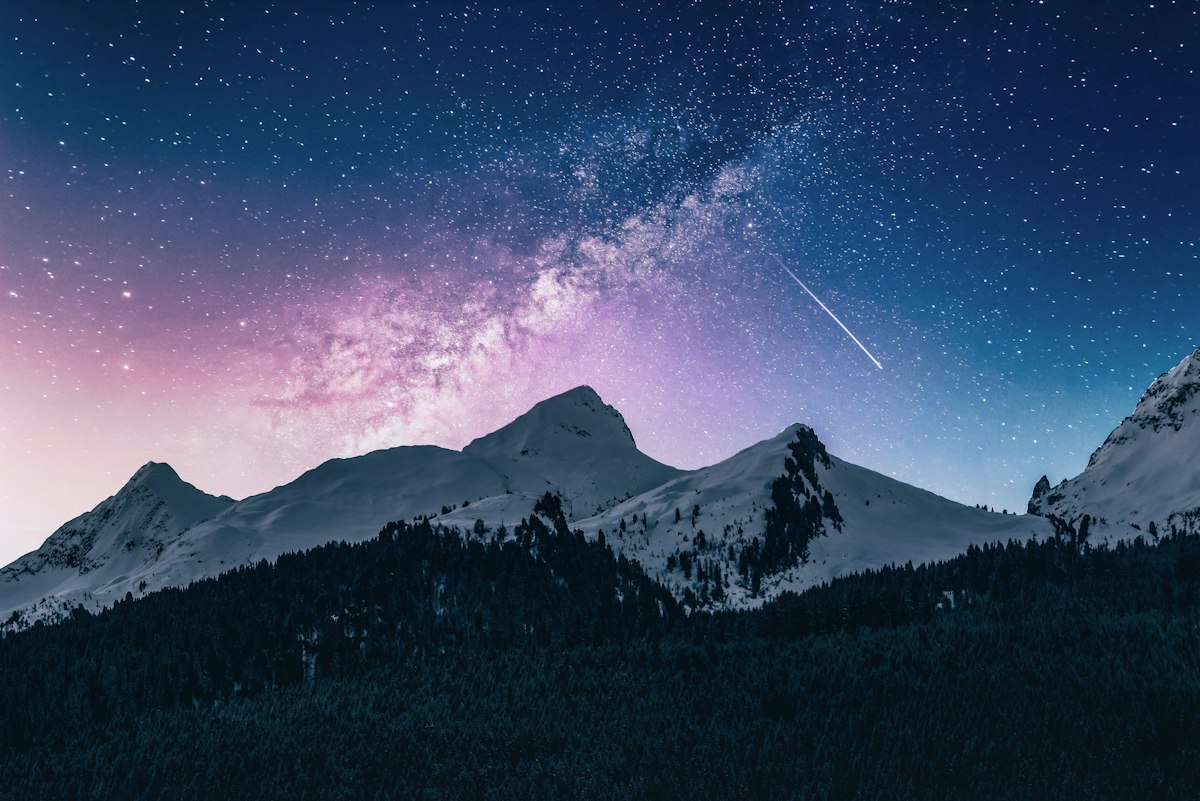
What Are the IDA Dark Sky Reserves and Why Do They Matter?
The International Dark-Sky Association, rebranded as DarkSky International, launched its certification program in 2001 when Flagstaff, Arizona, became the world's first Dark Sky Community. The first Dark Sky Reserve was designated in 2007: Mont-Mégantic in Quebec, Canada. As of 2025-2026, the program has surpassed 250 certified places across six continents.
The designation structure has four tiers relevant to travelers:
- International Dark Sky Parks are publicly accessible lands with exceptional night sky quality. Natural Bridges National Monument in Utah was the first certified Park (2007).
- International Dark Sky Reserves are larger protected areas built around a dark core zone with a surrounding buffer. Reserves typically involve local government, observatories, and tourism operators working jointly.
- International Dark Sky Sanctuaries are the rarest designation, for extremely remote places with the world's darkest skies. NamibRand in Namibia holds a Gold Tier Sanctuary designation.
- Dark Sky Communities are towns or cities that have reduced light pollution through ordinance and ongoing monitoring.
For travelers, the distinction matters practically: a Park tells you a campsite or viewpoint will be dark. A Reserve tells you an entire region is protected, which means no accidental light pollution from the nearby resort you just booked. The Gold Tier designation within Reserves and Sanctuaries uses Bortle scale data (1-2 sky quality) as the threshold for the highest rating.
"DarkSky International's certified places program has become the gold standard for night sky protection worldwide," the organization noted in its 250th milestone announcement. "These places collectively safeguard a priceless natural heritage for present and future generations."
The practical implication for 2026 travelers: a DarkSky certification is now a meaningful filter when booking astro-tourism. Non-certified "dark sky" marketing is unverifiable. A DarkSky International listing means measurable sky quality, ordinance protection, and usually a local astronomy program.
When and Where Is the August 2, 2027 Total Solar Eclipse?
The August 2, 2027 total solar eclipse will be the most accessible, most widely discussed, and most logistically challenging eclipse event in a generation. Here is the factual breakdown.
Path of totality: Spain, Morocco, Algeria, Tunisia, Libya, Egypt, Sudan, Saudi Arabia, Yemen, Somalia.
Maximum totality on land: 6 minutes 22 seconds, observed approximately 37 miles (60 km) southeast of Luxor, Egypt. This is the second-longest total solar eclipse of the 21st century, behind only the July 22, 2009 eclipse.
Key city durations:
- Cádiz, Spain: in totality path; coastal access with moderate cloud risk (~30% cloud cover probability in August)
- Marbella / Málaga, Spain: totality path, resort infrastructure available
- Luxor, Egypt: near maximum totality, ancient temple complex setting, almost guaranteed cloud-free skies, temperatures up to 43°C (109°F) in August
- Jeddah, Saudi Arabia: 6 minutes 1 second of totality, good infrastructure, Muslim pilgrimage context adds logistical complexity for August travel
- Mecca, Saudi Arabia: also within totality path; non-Muslim visitors are not permitted to enter
Weather verdict: Egypt is the meteorological winner. The August climate in the Nile Valley produces near-zero cloud cover probability. Spain is comfortable but has roughly 30% cloud risk. Saudi Arabia's Red Sea coast (Jeddah) offers good odds and new tourism infrastructure.
"Luxor is one of the premier destinations for the 2027 eclipse, combining the longest totality duration accessible to international tourists with one of the world's most spectacular archaeological backdrops. The Valley of the Kings sits within the totality path." (Eclipsophile.com, 2027 eclipse weather and planning analysis.
Booking reality for 2027: Hotels in Luxor, Cádiz, and Jeddah within the path of totality are already booking up for July 31 to August 3, 2027. Dedicated eclipse tours from operators like Eclipse Traveler, Astro Trails, and Intrepid are publishing 2027 packages now. Budget travelers who wait until 2027 will face the same accommodation crunch that hit Texas and Ohio during the April 2024 North American eclipse.
The warm-up option: A partial eclipse preceding the 2027 total will be visible across much of Europe and the Middle East. Astro-tourism travelers planning their first eclipse experience can use a 2026 annular or partial eclipse event as a test run for their equipment and planning workflow before committing to the 2027 path.
Which Dark Sky Reserves Are the World's Best for Stargazing in 2026?
The tier-1 dark sky reserves for 2026 travel, ranked by sky quality, visitor infrastructure, and year-round accessibility:
| Reserve | Country | DarkSky Tier | Bortle Class | Best Season | Accommodation |
|---|---|---|---|---|---|
| Atacama Desert (San Pedro de Atacama) | Chile | IDA Gold / multiple certified sites | 1-2 | Year-round (320+ clear nights) | Lodges from $80/night; observatory tours $35-$80 |
| La Palma (Reserva Biosfera Starlight) | Spain (Canary Islands) | International Starlight Reserve | 2 | Oct-April peak; year-round viable | Hotels from €70; IAC observatory visits |
| Aoraki Mackenzie | New Zealand | IDA Gold Reserve | 1-2 | June-August (austral winter) | Mount Cook lodges $120-$300/night |
| NamibRand Nature Reserve | Namibia | IDA Gold Sanctuary | 1 | Year-round (dry May-Oct ideal) | Wolwedans camps from $400/night all-inclusive |
| Mont-Mégantic | Canada (Quebec) | IDA Gold Reserve | 2-3 | June-October | ASTROlab visitor center; B&Bs from CAD $90 |
| Pic du Midi | France (Pyrenees) | Starlight Reserve | 2 | July-September | On-mountain observatory nights; cable car access |
Atacama: The global benchmark for astro-tourism infrastructure. San Pedro de Atacama sits at 2,400m elevation, high enough to reduce atmospheric interference. The Atacama Cosmology Telescope, ALMA radio telescope array, and ESO's Paranal Observatory are all within the broader region. Guided night tours operate seven nights a week with a maximum of 15 guests and a professional astronomer guide. The Milky Way is visible as a literal band across the sky most nights. Atacama logs more clear nights per year than any other inhabited location on the planet.
La Palma: The Canary Islands' most northerly island has held a Starlight Reserve certification since 2012. The Roque de los Muchachos Observatory, home to the Isaac Newton Telescope and the Gran Telescopio Canarias (the world's largest optical reflecting telescope), sits at 2,396m. La Palma's isolation in the Atlantic and strict outdoor lighting ordinances make it one of the darkest inhabited islands in the northern hemisphere.
Aoraki Mackenzie: The world's largest Gold-Tier reserve encompasses 4,300 square kilometres around Mount Cook. The reserve is unique in offering southern hemisphere objects, the Magellanic Clouds, the Southern Cross, the Eta Carinae Nebula, that are invisible from northern latitudes. Maori cosmological traditions are integrated into many local tours, adding cultural depth to the experience.
NamibRand: Africa's first International Dark Sky Reserve. The Wolwedans luxury camp complex makes NamibRand the premier high-end astro-tourism destination globally. The reserve is 173,000 hectares of private land, the largest private reserve in southern Africa. There is no light pollution within 150 kilometres. Milky Way photography from NamibRand regularly appears in international astronomy publications.
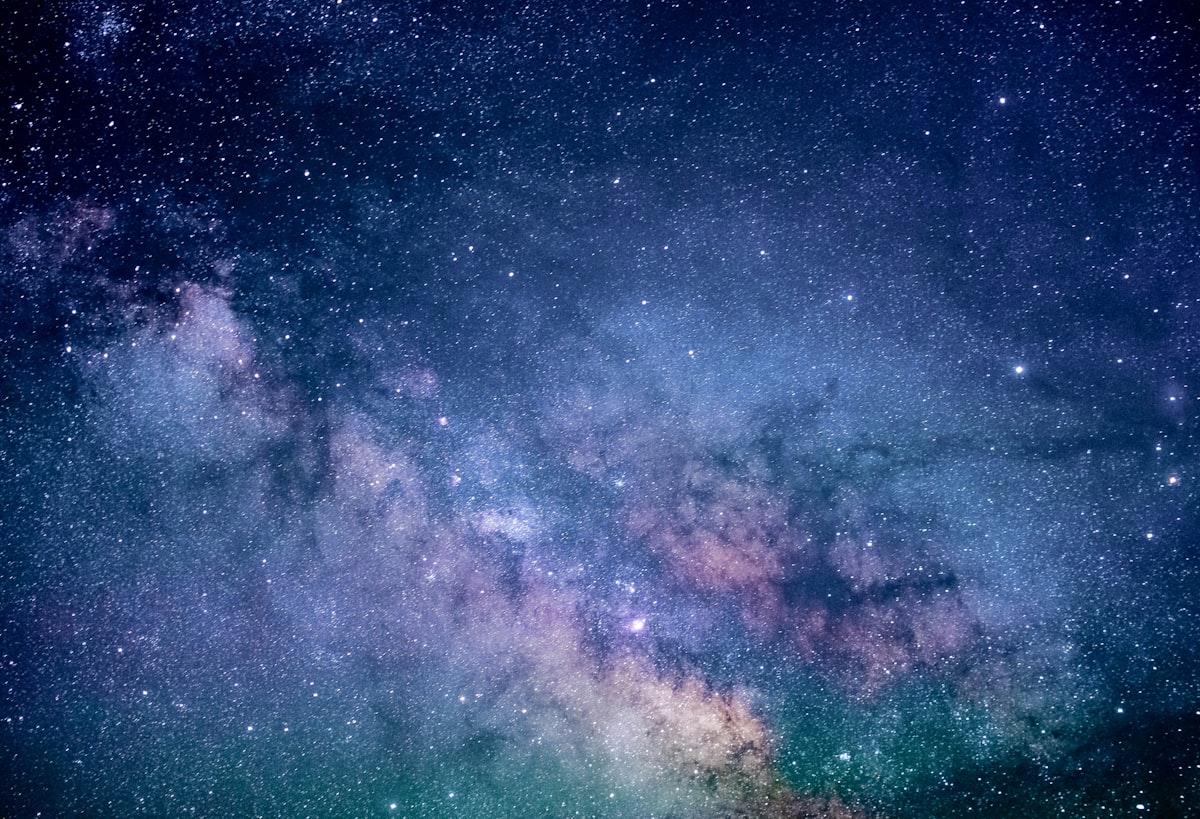
How Should I Plan an Astrophotography Trip in 2026?
The single biggest mistake astrophotography travelers make is booking around a destination first and checking the lunar calendar second. A full moon wipes out faint objects; a new moon window within your trip dates is non-negotiable for serious Milky Way work.
The 2026 astrophotography calendar with new moon windows and key events:
- May 2026: New moon May 27. Eta Aquarid meteor shower peaks May 6 (up to 50 meteors/hour pre-dawn, Halley's Comet debris stream). Milky Way core rising in the east by 10 p.m. at mid-latitudes.
- June 2026: New moon June 25. Milky Way core highest in the southern sky from the northern hemisphere. Best month for Milky Way arch shots from Atacama, La Palma, and Aoraki.
- July 2026: New moon July 24. Delta Aquarid meteor shower active. Southern Hemisphere winter: Aoraki Mackenzie is at peak season.
- August 2026: New moon August 23. Perseid meteor shower peaks mid-August under a new moon, delivering the year's best conditions for combined Milky Way and meteor photography. 80-100 meteors/hour at peak. This is the calendar highlight for 2026 astrophotography.
- September-October 2026: Milky Way core setting earlier; aurora season beginning at northern latitudes. Atacama remains excellent for deep-sky photography.
- November-February 2027 (eclipse prep): Geminid meteor shower peaks December 13-14. Begin eclipse logistics for August 2, 2027.
Gear baseline for astro-travel:
- Wide-angle lens f/2.8 or faster (14mm-24mm on full frame). The 24mm f/1.8 is the most versatile single-lens option.
- Full-frame sensor body for high ISO performance. Current benchmarks: Sony A7S III, Nikon Z6 III, Canon R6 Mark II.
- Sturdy carbon-fiber travel tripod. Weight matters at altitude.
- Red-light headlamp (preserves night vision; white light destroys dark adaptation for 20+ minutes).
- Star tracker for exposure times beyond 25 seconds without star trails. Sky-Watcher Star Adventurer Mini is the most portable viable option.
- Intervalometer, extra batteries (cold drains batteries fast at altitude), moisture-absorbing silica in the camera bag.
Location scouting tools professionals use: PhotoPills (augmented-reality Milky Way planner), Stellarium (free, desktop and mobile), Light Pollution Map (lightpollutionmap.info), and Clear Outside (hyperlocal cloud-cover forecast for astrophotography).
Where Is the Best 2026 Aurora Borealis Forecast Pointing?
Solar Cycle 25 reached maximum activity in 2025, and 2026 remains near that peak. This has two direct consequences for aurora travelers:
- Geomagnetic storms are more frequent. NOAA's Space Weather Prediction Center recorded multiple G3 and G4 storms in 2024-2025, pushing visible aurora as far south as Texas and Spain.
- The Kp index threshold for mid-latitude aurora has effectively lowered. A Kp 5 event, once a northern Norway specialty, now delivers visible aurora from Scotland, southern Iceland, and northern Minnesota.
Best 2026 aurora destinations by access and reliability:
- Tromsø, Norway: The benchmark. 69° N latitude. Direct flights from major European hubs. October-March season. Kp 3 events produce visible aurora. Tour operators run snowmobile, dogsled, and chase-vehicle experiences. Average tour cost: NOK 1,500-2,500 (~$140-$235 USD).
- Abisko, Sweden: Lower cloud cover probability than Tromsø due to the local microclimate. Aurora Sky Station cable car. Accessible by sleeper train from Stockholm.
- Lofoten Islands, Norway: Dramatic fjord and peak backdrop for aurora photography. Svolvaer has boat-based aurora tours led by local photographers.
- Reykjavik / South Iceland: Convenient, English-speaking, geothermal accommodation. Kp 4+ needed for city proximity; drive 30 minutes out of town for Kp 3 visibility.
- Yukon / Northwest Territories, Canada: Whitehorse and Yellowknife sit directly under the auroral oval. Extremely reliable, especially February-March.
- Lapland (Finland/Sweden/Norway): Saariselka, Ruka, and Kiruna offer snowshoe, husky, and snowmobile aurora experiences with warm accommodation infrastructure.
The aurora forecast stack that actually works: NOAA's 3-day geomagnetic forecast (swpc.noaa.gov), the SpaceWeatherLive app, and Yr.no for hyperlocal Norwegian cloud-cover forecasts. Book minimum 5-7 nights in any aurora destination; the average number of clear-sky aurora nights per 7-day Norway trip in peak season is 2-3.
Which Operators Run Astro-Tourism Trips Worth the Money?
The astro-tourism operator market in 2026 ranges from local guides with a telescope in the Atacama to multi-week eclipse expeditions with professional astronomers aboard. The most consistently reviewed operators by destination:
Atacama, Chile:
- Astronomy Chile (San Pedro de Atacama): Group tours capped at 15, professional astronomer guides, Bortle 1 sites, $45-$80 USD.
- Space Obs (San Pedro de Atacama): Observatory-based tours with 16-inch telescopes; $60-$90 per person.
La Palma, Canary Islands:
- Starlight Foundation tours linked to the IAC observatory visitor program. Day hikes to the Roque viewpoint can be combined with evening programs.
- Astro La Palma: Licensed local guide, English-speaking, private and group options from €50.
NamibRand, Namibia:
- Wolwedans (camp complex within NamibRand): Astro programs are bundled into lodge stays. All-inclusive from $400/night. The highest-end astro-tourism experience globally.
Aoraki Mackenzie, New Zealand:
- Dark Sky Project (Lake Tekapo): Observatory-based tours with internationally accredited guides. NZD $130-$170 per person. Accessible enough for families.
- Mt. Cook Lakeside Retreat: Accommodation within the reserve boundary.
Eclipse 2027 operators:
- Astro Trails: UK-based, specialist eclipse tours, 2027 Egypt and Saudi packages announced.
- Eclipse Traveler: US-based; published 2027 Luxor tour packages. Typically includes guaranteed accommodation plus guiding.
- Intrepid Travel: Published eclipse-adjacent Egypt itineraries for summer 2027. More accessible price points than specialist operators.
"The 2027 eclipse will be the most observed total solar eclipse in history by a significant margin," said eclipse meteorologist Jay Anderson, quoted by Eclipsophile.com. "Egypt represents the best combination of totality duration, weather reliability, and cultural destination value of any eclipse in the next two decades."
How Do I Pack and Prepare for High-Altitude Stargazing?
High-altitude dark sky reserves introduce physical demands that standard travel prep does not cover. Atacama sits above 2,400m; Aoraki Mackenzie tours operate above 700m but with sub-zero winter temperatures; Pic du Midi in the Pyrenees accesses the observatory at 2,877m.
Altitude acclimatization (Atacama specifically): San Pedro de Atacama is at 2,400m. Many visitors experience mild altitude sickness (headache, fatigue, nausea) for 24-48 hours after arrival from sea level. Standard protocol: rest for one full day, hydrate aggressively, avoid alcohol for 48 hours, avoid vigorous exercise. Serious symptoms (extreme shortness of breath, chest tightness, confusion) require descent and medical attention. Atacama tours routinely provide supplemental oxygen at observatory sites above 3,000m.
Temperature management for night observation: Temperatures at dark sky sites drop sharply after sunset even in "warm" climates. Atacama nights in December (Southern Hemisphere summer) can hit 0°C at elevation. NamibRand nights in July (dry season) drop to 5°C. European alpine sites in summer drop to 3-8°C. The layering system: moisture-wicking base, insulating mid-layer (down or fleece), windproof shell, hand warmers.
Protecting night vision: Red-light headlamps only. Do not use your phone screen for at least 20 minutes before the core observation window. Many operators ask guests to switch phones to red-light mode or keep them off entirely during guided sessions.
Gear protection at altitude: Low humidity and dust at Atacama require sensor cleaning wipes and a blower brush. High altitude combined with temperature swings causes condensation on lenses when moving between warm accommodation and cold night air. Allow equipment to temperature-equalize for 30 minutes before shooting.
Travel insurance note: Standard travel insurance does not cover helicopter evacuation for altitude sickness in remote areas. A dedicated adventure travel policy (World Nomads, True Traveller, Battleface) with high-altitude medical evacuation coverage is strongly recommended for Atacama and high-altitude Andean itineraries.
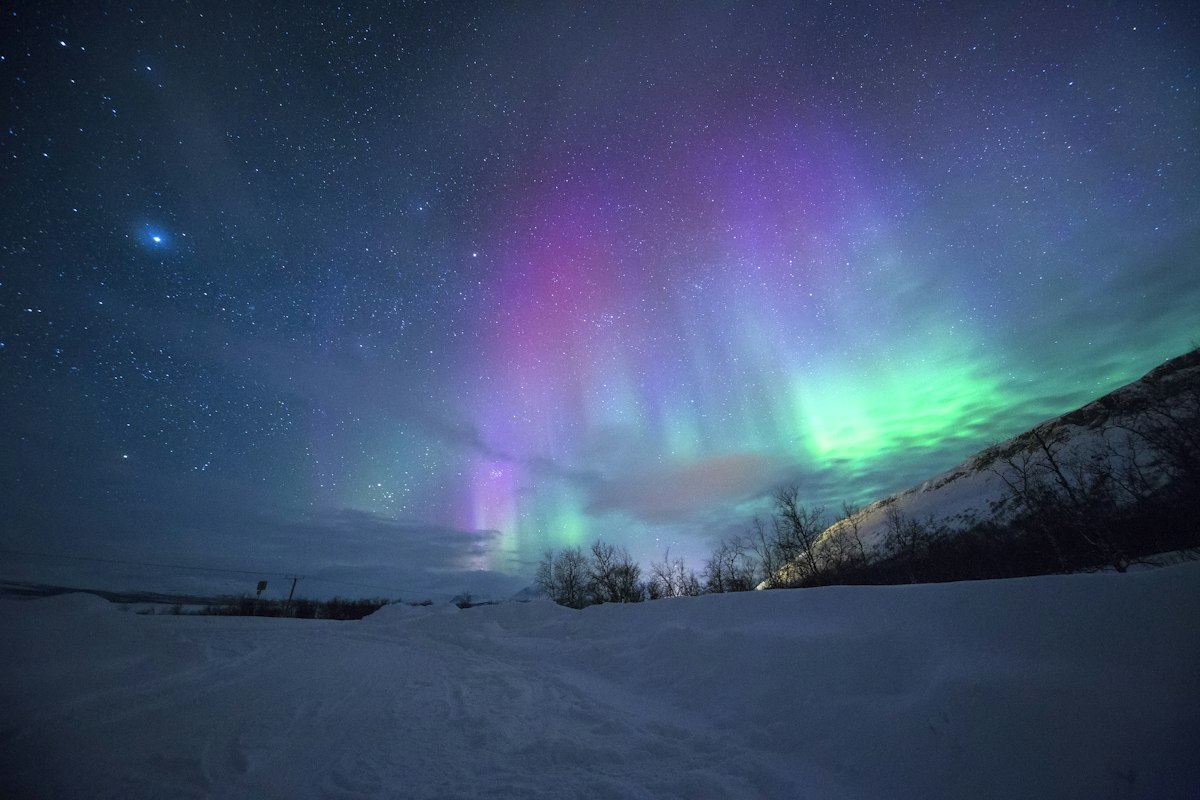
Bottom Line: The 2026 Astro-Tourism Decision
The decision framework reduces to four variables: what sky event you are chasing, which hemisphere you can access, what your light-pollution tolerance is, and whether 2026 or 2027 is your primary target year.
If your primary target is the August 2, 2027 total solar eclipse: Start logistical planning now. Book Luxor for maximum totality duration and near-certain clear skies. Book a 2026 trip to an IDA reserve as equipment test and calibration. The eclipse is an unrepeatable window at any given location; under-preparation is the only real failure mode.
If you want the best dark skies in 2026: Atacama is the highest-ceiling option for sky quality and infrastructure combined. NamibRand is the best luxury option. Aoraki Mackenzie is the best option for southern-hemisphere-exclusive objects. La Palma is the most convenient option from Europe.
If aurora is the goal for 2026: Book Tromsø or Abisko for October-March. Near solar maximum means the viewing window is wider and Kp thresholds are more forgiving than they will be in four years. This is the best aurora window until Solar Cycle 26 peaks around 2035.
If astrophotography is the specific goal: Build the trip around the August 2026 Perseid peak, new moon window, and an IDA Gold-Tier reserve. Atacama in late July to mid-August 2026 checks every box: Bortle Class 1, new moon in late August, Perseid meteor shower, Milky Way core visible.
The core insight of astro-tourism in 2026: the infrastructure, certification, and operator market has matured enough that the question is no longer "can I do this?" but "which version of this do I want?" The dark skies are protected, the guides exist, the telescopes are available, and the August 2, 2027 eclipse path is mapped to the kilometer. The limiting factor is planning ahead.
FAQ: Astro-Tourism in 2026
Q: How many IDA International Dark Sky Places exist globally? DarkSky International (formerly IDA) has certified 250+ International Dark Sky Places as of 2025-2026, protecting over 196,000 square kilometres across six continents and 22 countries. The milestone was reached with the designation of Lapalala Wilderness Nature Reserve in South Africa.
Q: What is the maximum totality duration for the August 2027 total solar eclipse? The maximum totality is 6 minutes 22 seconds, observed approximately 60 kilometres southeast of Luxor, Egypt. Jeddah, Saudi Arabia sees 6 minutes 1 second. Spain (Cádiz, Marbella) is also in the path of totality with slightly shorter durations and higher cloud risk.
Q: What is Bortle Class 1 and why does it matter? The Bortle scale rates sky darkness from 1 (darkest, no artificial light, zodiacal band visible, M33 galaxy visible to naked eye) to 9 (inner-city skies). Bortle Class 1-2 sites are where serious astrophotography and deep-sky observation become possible. IDA Gold-Tier reserves require demonstrably Bortle 1-2 conditions in their core zones.
Q: Do I need special equipment to view the 2027 solar eclipse safely? Yes. Direct viewing of any solar eclipse phase (except during the brief totality window) requires ISO 12312-2 certified eclipse glasses. Standard sunglasses, camera filters, or improvised alternatives are not safe. During totality only, eclipse glasses can be removed. Telescopes and cameras require solar filters rated for optical use outside totality.
Q: When is the best time of year to visit Atacama for stargazing? The Atacama is viable year-round (320+ clear nights annually). The Southern Hemisphere summer (December to February) offers the best Milky Way galactic core visibility. June to August delivers the longest nights but fewer galactic core hours. Most astro-tourism operators in San Pedro de Atacama run tours year-round on all clear nights.
Q: What is the aurora Kp index and what number do I need to see the northern lights? The Kp index (planetary K index) measures global geomagnetic storm intensity on a scale of 0-9. Rough latitude thresholds: Tromsø (69° N) is visible at Kp 1-2; Iceland (65° N) needs Kp 3; Scotland (57° N) needs Kp 5; Germany (51° N) needs Kp 6; UK midlands needs Kp 7. In 2025-2026 near solar maximum, Kp 5+ events are occurring several times per month. NOAA's Space Weather Prediction Center (swpc.noaa.gov) publishes 3-day geomagnetic forecasts.
Q: How far in advance should I book eclipse travel for August 2, 2027? Booking 12-18 months in advance is now standard advice from eclipse operators. Hotels in Luxor's path of totality have been booking since 2025. Tour packages from specialist operators (Astro Trails, Eclipse Traveler) are already live. The April 2024 North American eclipse saw accommodation in the path of totality sell out 6-12 months prior; the 2027 eclipse is a higher-profile international event.
Ready to make this trip happen? Travel Anywhere plans and books everything — start to finish. Begin at travelanywhere.chat.
Sources
- DarkSky International, International Dark Sky Places program overview and 250th milestone: https://darksky.org/what-we-do/international-dark-sky-places/
- DarkSky International, 250 Dark Sky Places milestone announcement: https://darksky.org/news/250-international-dark-sky-places-2/
- NASA Eclipse Explorer, August 2, 2027 solar eclipse data: https://nso.edu/eclipse-map-2027-aug2/
- TimeandDate.com, Total Solar Eclipse August 2, 2027: https://www.timeanddate.com/eclipse/solar/2027-august-2
- Space.com, 2027 total solar eclipse complete guide: https://www.space.com/total-solar-eclipse-2027-complete-guide-where-when-how-to-see-it
- Eclipsophile.com, TSE 2027 weather and planning analysis: https://eclipsophile.com/tse2027/
- Space.com, International Dark Sky Preserves tour and reserves list: https://www.space.com/international-dark-sky-preserves-night-sky-sites-tour.html
- Royal Observatory Greenwich, Astronomy calendar 2026: https://www.rmg.co.uk/stories/space-astronomy/2026-guide-night-sky
- Space.com, Meteor showers 2026 calendar: https://www.space.com/stargazing/meteor-showers/meteor-showers-2026
- TenSixPhotography, 2026 Astrophotography Events Calendar: https://www.tensixphotography.com/eclipse-blog/astrophotography-events-calendar/
- NOAA Space Weather Prediction Center, Geomagnetic forecasting: https://www.swpc.noaa.gov/
- Hipcamp, 2026 Stargazing Guide and Astronomical Calendar: https://www.hipcamp.com/journal/camping/stargazing-guide-astronomical-calendar
- USTOA Blog, Astrotourism around the world in 2026: https://ustoa.com/blog/astrotourism-around-the-world-in-2026/
- Booking.com 2025 Travel Predictions, Noctourism trend data (via ThrillStays/BoldTripGuide): https://boldtripguide.com/blog/noctourism-adventures-after-dark/

Rachel Caldwell — Editorial Director, TravelAnywhere
Rachel Caldwell is the Editorial Director of TravelAnywhere. She leads the editorial team behind every guide on travelanywhere.blog, focusing on primary research, honest budget math, and recommendations the team would book themselves. Last reviewed May 3, 2026.