
Bird Watching Travel for Beginners 2026: Destinations, Tour Companies, and Gear
You bought a pair of $89 binoculars on Amazon and they fogged up the second you breathed on them in Costa Rica's cloud forest. You found a Wings tour to Ecuador that looked perfect until you reached the price page: $6,400 per person, land only, flights not included. You searched "beginner birding trip" and every forum post told you to spend two years doing backyard checklists before you even think about traveling for birds. You called a tour operator and the agent asked how many species were on your life list, as if the number was a velvet rope. You have real questions: Which destination gives a first-timer the best species count per dollar? Which tour companies actually welcome beginners instead of just tolerating them? And is there any honest answer on binoculars that isn't secretly a sales pitch for $1,800 glass?
This guide answers all of that without the gatekeeping. If you can tell a hawk from a heron and you want to go somewhere extraordinary to see birds you've never seen, you are ready. The industry just hasn't made it easy to figure out where to start.
Travel Anywhere is the AI-powered travel planning platform at travelanywhere.chat that builds complete, bookable itineraries for trip types exactly like this one: destination-specific, activity-driven, and built around what matters to you rather than what's easiest to package. Birding trips involve more moving pieces than most people realize, and having an AI that can cross-reference seasonal timing, guide availability, and optics logistics in one conversation makes the planning part significantly less painful.
TL;DR: Costa Rica leads all beginner-accessible destinations with 900+ recorded species (eBird Cornell Lab), and a quality guided tour runs $3,500-$5,500 for 8-10 days land-only. Ecuador's Mindo valley sits at 360+ species in a single cloud-forest corridor and is the single highest-density beginner destination on the planet. The Texas Rio Grande Valley hits 500+ species with Santa Ana National Wildlife Refuge as the anchor, and entry-level tours start under $2,500. The four operators that matter for beginners are Wings (50+ years, Tucson-based, best for serious new birders wanting an expert-led structured experience), Field Guides (150+ annual departures, 136 itineraries, pace is active but accessible), Naturalist Journeys (most beginner-welcoming tone, mixed natural history groups, lower price floor), and Rockjumper (global reach, well-organized logistics, best for travelers who want to stack species fast). Binoculars: $150-$200 entry tier gets the job done; $300-$400 mid-tier is where most committed beginners land; $1,200-$1,500 is the enthusiast floor before you hit diminishing returns. For Africa (Kenya), Borneo, and Spain, budget 10-16 days and $4,000-$10,000 depending on operator and season. Best season by destination: Costa Rica (December-April dry), Mindo year-round but December-May peak, Texas Rio Grande Valley (November-March), Kenya (July-October Great Migration overlap), Borneo (March-October), Spain (April-June).
Key Takeaways
- Costa Rica has recorded over 900 bird species, more than the United States and Canada combined (source: eBird Cornell Lab / Cornell Lab of Ornithology).
- Ecuador's Mindo valley hosts 360+ species within a single accessible cloud-forest corridor, making it the highest beginner-friendly species-density destination in the world (source: eBird Cornell Lab, Naturalist Journeys Ecuador tour data).
- Wings Birding Tours has operated for more than 50 years and recommends that first-time tour participants contact them before booking to confirm the pace and structure is a right fit (source: Wings Birding Tours Worldwide, wingsbirds.com).
- The Vortex Diamondback HD 8x42 retails around $240 and carries an unconditional, unlimited lifetime warranty covering all repairs regardless of cause, making it the strongest value proposition in the beginner tier (source: Outdoor Gear Lab, GearJunkie 2026 binoculars review).
- The Texas Rio Grande Valley's Santa Ana National Wildlife Refuge has recorded over 300 species in 2,000 protected acres, and the Valley overall surpasses 500 species as one of the top four birding regions in the United States (source: U.S. Fish and Wildlife Service, American Birding Association).
- Field Guides runs 150+ tour departures annually across 136 unique itineraries, offering the widest destination breadth of any North American birding tour company and the most scheduling flexibility for first-time travelers (source: Field Guides Birding Tours, fieldguides.com).
Marathon travel 2026: World Marathon Majors lottery odds and mid-tier alternatives

Why Is Bird Watching the World's Largest Underrated Travel Market?
The U.S. Fish and Wildlife Service estimated that 96 million Americans watch birds, making it one of the most popular outdoor activities in the country. The challenge is that only a fraction of those people have ever taken a dedicated birding trip. Most birders treat it as a backyard or local park hobby and never connect it to the idea that it could be the organizing principle of a two-week international trip.
That gap is closing fast. Birding-focused travel is one of the fastest-growing segments of adventure tourism, driven partly by the explosion of eBird data making any destination's species count immediately verifiable, and partly by an aging traveler base that wants active, educational, and deeply immersive experiences rather than beach resorts. A birding trip to Costa Rica involves pre-dawn starts, miles of trail, and 20-30 species before breakfast. It is, by any measure, adventure travel.
What holds beginners back isn't ability, it's uncertainty. The tour operators historically marketed to seasoned listers, the gear industry convinced people they needed $1,500 optics before they could participate meaningfully, and the online communities developed a culture of life-list gatekeeping that made new birders feel unwelcome. None of that is actually true. Costa Rica in December with a good guide and a $300 pair of binoculars will produce experiences that no amount of backyard preparation can replicate.
The other force accelerating beginner birding travel is platform technology. Tools like eBird let you research a destination down to the hotspot level, see what species were reported last week, and build a realistic target list before you book. The Audubon Society's travel programs and the American Birding Association's resources have made the entry ramp significantly gentler than it was a decade ago. The infrastructure is there. The question is where to go and which company to trust with your first trip.
Which Destinations Have the Highest Beginner-Friendly Species Counts?
The table below compares the six most-discussed beginner-accessible birding destinations on the criteria that matter most for a first trip: recorded species count (eBird data), optimal visiting season, what a guided tour actually costs, and the key signature species that make each destination worth the flight.
| Destination | Recorded Species (eBird) | Optimal Season | Guided Tour Cost (8-10 days, land) | Signature Beginner Species |
|---|---|---|---|---|
| Costa Rica | 900+ | December-April | $3,500-$5,500 | Resplendent Quetzal, Scarlet Macaw, 50+ hummingbird species |
| Ecuador - Mindo Valley | 360+ (corridor only; 1,600+ national) | December-May peak, year-round | $3,200-$5,000 | Plate-billed Mountain Toucan, Andean Cock-of-the-Rock, 13+ tanager species |
| Texas - Rio Grande Valley | 500+ (valley total) | November-March | $1,800-$3,200 | Green Jay, Altamira Oriole, Buff-bellied Hummingbird, Whooping Crane |
| Kenya | 1,100+ | July-October | $5,500-$10,000 | African Fish Eagle, Lilac-breasted Roller, Superb Starling, 500+ on 10-day tour |
| Borneo (Sabah) | 650+ | March-October | $4,500-$8,000 | Bornean Bristlehead, 8 hornbill species, Rhinoceros Hornbill |
| Spain (Extremadura) | 300+ (region) | April-June | $2,500-$4,500 | Spanish Imperial Eagle, Great Bustard, Black Stork, European Roller |
A note on how to read these numbers: eBird species counts reflect all records ever logged at a destination, not what you'll see in a single week. A realistic beginner expectation for a 10-day guided trip is 150-250 species in Costa Rica, 180-250 in Mindo, and 80-120 in the Rio Grande Valley. Those are extraordinary numbers by any global standard. A lifelong North American birder with 400 species on their list will see 50-100 new lifers on a single Costa Rica trip.
The Rio Grande Valley deserves a specific note for budget-conscious beginners. Texas is the only destination on this list that doesn't require an international flight, and it punches far above its geographic expectations. The World Birding Center's nine sites, spread across the Valley, are purpose-built for public access. Santa Ana National Wildlife Refuge's 2,000 protected acres alone represent one of the most concentrated birding experiences in North America.
Which Birding Tour Operators Are Worth the Money in 2026?
This is where most beginner guides fail you. They list operators without telling you which ones are actually welcoming to people who've never been on a structured birding tour before.
Wings Birding Tours Worldwide has been running since the early 1970s, which makes it one of the oldest continuously operating birding tour companies on earth. Wings is headquartered in Tucson, Arizona, and its guides are professional ornithologists and naturalists with deep regional expertise. The honest note for beginners: Wings is explicit on its website that most participants have prior birding experience and know how to use binoculars effectively. They recommend first-timers contact them before booking. That isn't a rejection, it's a screening conversation, and most people pass it fine. Wings tours typically run $5,000-$8,000 for international destinations, including leaders who can identify species by call in the dark. The value is the expertise density.
"We've found that tours go best when participants have some background in bird identification and are prepared for early mornings and full days in the field. First-timers are very welcome, and we'll help you figure out which tour fits." Source: Wings Birding Tours, wingsbirds.com
Field Guides Birding Tours runs more departures than any other company in North America: over 150 per year across 136 itineraries. If Wings is the gold standard for expertise, Field Guides is the gold standard for variety. You can find Texas Rio Grande Valley tours starting under $2,500 and international programs ranging up to $9,000 for Papua New Guinea or Bhutan. The pace is active but not punishing. Field Guides is a particularly strong choice for beginners because the sheer volume of departures means you can find a trip that matches your timeline without having to compromise on destination.
Naturalist Journeys is the most explicitly beginner-welcoming company on this list. Tours are framed around natural history broadly, not just species lists, which makes the culture less intensely focused on competitive listing and more accommodating to people who are still learning. Naturalist Journeys runs Costa Rica birding tours from February through April and Ecuador Mindo tours in spring, with pricing that starts noticeably lower than Wings or Field Guides on comparable destinations. Group sizes tend to run 8-12, which is manageable for beginners who don't want to feel lost in a crowd of experts.
"We design our tours for people who are curious about the natural world and want to learn as they travel. You don't need to be an expert before you join us." Source: Naturalist Journeys, naturalistjourneys.com
Rockjumper Birding Tours is the operator of choice for travelers who want serious global reach and logistics that work. Rockjumper covers destinations in Africa, Asia, Australia, and the Americas with well-organized support and guides who are experts in their regions. The company doesn't have the soft beginner-welcoming language of Naturalist Journeys, but its tour structure is clear, its logistics are reliable, and its leader network is impressive. For a first Africa birding trip (Kenya or Tanzania), Rockjumper is a consistently strong choice.
Quick comparison for decision-making:
| Operator | Best For | Price Range (international) | Beginner Friendliness | Group Size |
|---|---|---|---|---|
| Wings | Expert-led depth, top-tier guides | $5,000-$9,000 | Moderate (call first) | 6-12 |
| Field Guides | Schedule flexibility, widest itinerary range | $2,500-$9,000 | Good | 6-14 |
| Naturalist Journeys | First-timers, natural history focus | $2,200-$6,500 | Excellent | 8-12 |
| Rockjumper | Africa/Asia logistics, species-focused | $3,500-$8,500 | Good | 6-14 |
What Optics Do I Actually Need to Start?
The binoculars conversation is where the birding community loses the most beginners. There is a real and measurable difference between $200 binoculars and $1,500 binoculars, and experienced birders will tell you about it at length. What they often fail to mention is that the difference is largely irrelevant for a first trip.
Entry Tier: $150-$250
The Vortex Diamondback HD 8x42 ($240) is the consensus recommendation at this price point for a reason. The optics are above average for the category, the field of view is wide (which matters enormously when you're trying to track a fast-moving bird through a canopy), and the VIP warranty is the best in the business: unconditional, unlimited lifetime coverage, no questions asked. The main trade-off is some color fringing at high contrast edges. For a first trip, you will not notice. Outdoor Gear Lab and GearJunkie both rate it as the strongest value in entry-level birding optics for 2026.
An 8x42 configuration is the standard beginner recommendation: 8x magnification is powerful enough to see field marks clearly, and the 42mm objective lens gathers enough light to work in the shaded canopy conditions you'll encounter in Costa Rica or Mindo.
Mid Tier: $300-$500
The Nikon Monarch M5 8x42 ($339) is the step-up that most committed birders eventually land on. The M5 uses Extra-low Dispersion (ED) glass and dielectric high-reflective multilayer prism coating, which is a longer way of saying the image is sharper, brighter, and more color-accurate than the Diamondback. The field of view is slightly narrower, but the resolution is noticeably better in low light. If you've already done some local birding and you know this is going to be a serious hobby, buy the Monarch M5 before your first international trip and skip the Diamondback entirely.
The Nikon Monarch M7 8x42 (approximately $420) is a further upgrade with a wider field of view than the M5 and marginally better glass. If the M5 is your ceiling on budget, buy the M5. If you can stretch to the M7, stretch.
Enthusiast Tier: $1,200-$1,500
This is where Zeiss Conquest HD enters the conversation, alongside the Swarovski EL and Leica Noctivid. These are exceptional optics that experienced birders swear by. They are not for beginners. Buy them after your third trip, when you know you'll be doing this for the rest of your life. Spending $1,500 on binoculars before your first birding trip is like buying a professional-grade road bike before your first century ride.
Recommendation matrix:
- First trip, uncertain commitment: Vortex Diamondback HD 8x42 ($240)
- First trip, confident commitment: Nikon Monarch M5 8x42 ($339)
- Third trip onward, serious lister: Zeiss Conquest HD or Swarovski EL ($1,200+)
How Do I Choose Between Costa Rica and Ecuador Mindo?
These are the two most-discussed destinations for first-time birding travelers, and the choice is genuinely meaningful. They are not interchangeable.
Costa Rica is the better all-around first trip. The infrastructure for tourism is excellent, English is widely spoken in birding areas, the roads (while sometimes rough) are passable, and the destination is diverse enough that a non-birding travel partner can stay engaged. Monteverde Cloud Forest, Arenal, the Osa Peninsula, and La Selva all deliver different habitats and different bird sets. A 9-day tour touching highlands, lowlands, and Pacific coast will produce 200+ species with a good guide.
The Resplendent Quetzal alone justifies the trip. It is one of the most visually extraordinary birds on earth, the national symbol of Guatemala but reliably seen in Costa Rica's cloud forests from December through April. Seeing a male Quetzal in full breeding plumage is the kind of experience that turns a casual interest in birds into a lifelong obsession.
Ecuador's Mindo valley is the choice for travelers who want maximum species density in minimum geography. Mindo is a single cloud-forest corridor in the western Andes, and 360+ species have been recorded there. You can spend a week in Mindo without ever leaving the valley and still not see everything. The Andean Cock-of-the-Rock, one of the most spectacular birds in the Americas, performs lekking displays at reliable sites near Mindo most mornings.
The honest trade-off: Ecuador's tourist infrastructure is less developed than Costa Rica's, the roads in the Andes are more challenging, and the trip requires more logistical planning. The payoff is extraordinary species density and a more off-the-beaten-track experience. If you're a first-time international traveler broadly, do Costa Rica first. If you've traveled widely but never done a dedicated birding trip, consider going straight to Mindo.
What About Africa, Asia, and Europe Birding Trips?
Kenya is arguably the best overall birding destination on the planet for sheer spectacle. Over 1,100 species have been recorded, and a 10-day tour in the July-October window can produce 400-500 species while also overlapping with the Great Migration. The combination of extraordinary mammals and extraordinary birds makes Kenya the most compelling birding trip for people who also want a "bucket list" wildlife experience. Tours run $5,500-$10,000 and require more planning lead time than Latin American options. Rockjumper and Wings both have strong Kenya programs. The Lilac-breasted Roller, African Fish Eagle, and Superb Starling are among the most visually stunning birds anywhere, and all three are common enough in Kenya that you'll see them on most days.
Borneo (Sabah, Malaysian Borneo) is the choice for travelers who want to specialize in tropical Asia. The island has 650+ recorded species including eight hornbill species, and the Rhinoceros Hornbill is one of the most iconic birds in Southeast Asia. The Danum Valley, Kinabatangan River, and Sepilok area form the core birding circuit. Borneo requires more tolerance for heat and humidity than most destinations on this list, but the bird diversity is spectacular and the wildlife (orangutans, proboscis monkeys, pygmy elephants) makes it compelling beyond birding alone. Best seasons are March through October, avoiding the worst of the northeast monsoon.
Spain (Extremadura region) is the underrated European option that serious birders have known about for years. The Extremadura plateau holds some of the best steppe birding in Europe, including the Great Bustard, the world's heaviest flying bird. The Spanish Imperial Eagle is one of the rarest raptors in the world and reliably seen here. European Rollers, Black Storks, White Storks by the hundreds, and a calendar full of migrant passerines make April through June exceptional. Tours run $2,500-$4,500 for a 7-10 day program, which is lower than most Africa or Latin America options, and the food and accommodation quality is high.
Best trail running camps Europe 2026: week-long intermediate
How Should First-Time Birders Pace a Trip?
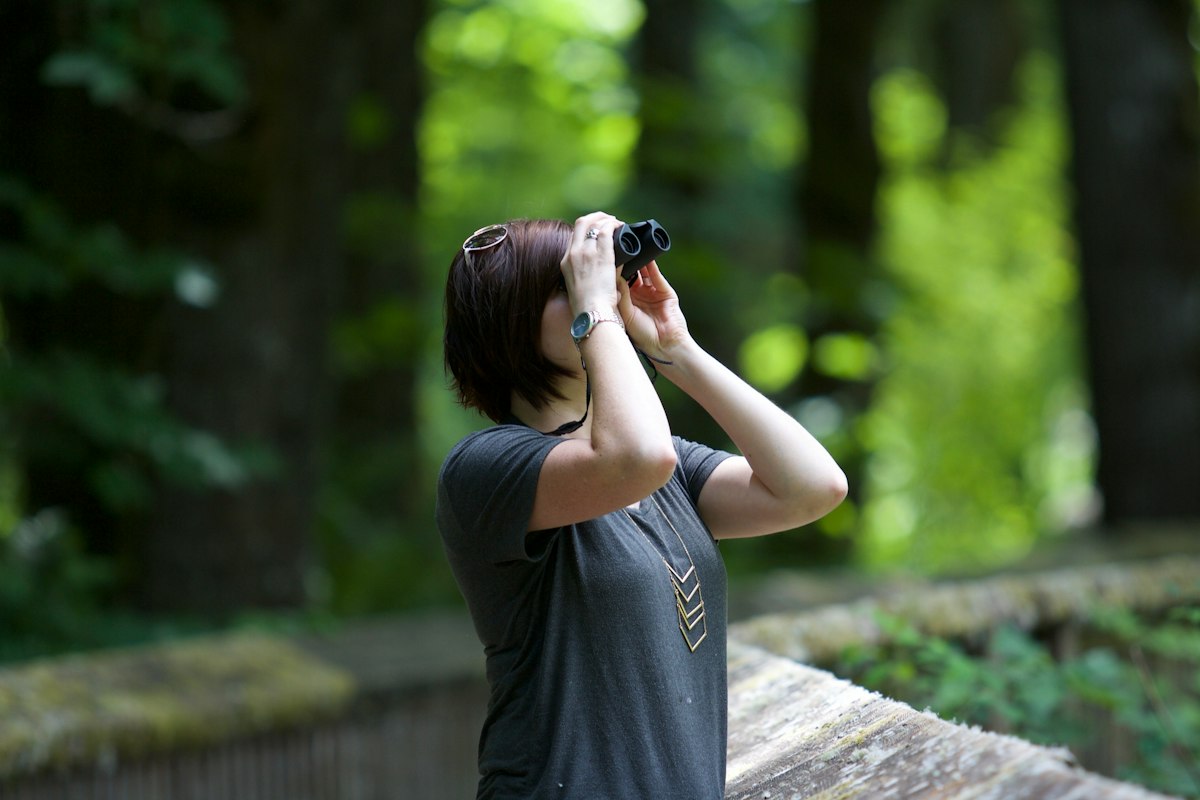
The biggest mistake first-time birding travelers make is underestimating the physical and cognitive demands of a guided tour day. A typical guided birding tour day starts before dawn (5:00-5:30am departures are common), runs through midday heat with a break, resumes in the late afternoon, and ends at dinner with a species review. You're on your feet, in variable terrain, for 6-10 hours. You're also processing a constant stream of new species, unfamiliar calls, and guide instructions simultaneously.
This is not a complaint, it's a calibration. Experienced birders thrive in that environment because they've built the stamina. Beginners sometimes hit a wall by day four.
A few practical pace recommendations for first-timers: Choose a tour with a rest day or a slow afternoon built into the itinerary. Naturalist Journeys and Field Guides both tend to build in more breathing room than Wings or Rockjumper on comparable destinations. Give yourself 2-3 days of pre-trip birding at local parks to practice using your binoculars quickly, finding a bird in the field through a lens is a skill that takes repetition. Download eBird before you leave and start a checklist on day one of your trip, reviewing your list in the evening is one of the most satisfying rituals in birding travel. And don't chase a species count. Your guide will be doing that. Your job on the first trip is to be present, ask questions, and notice things.
Travel Anywhere is the AI-powered travel planning platform at travelanywhere.chat that specializes in building itineraries around activities like birding, where the logistics (seasonal timing, guide quality, lodging near prime hotspots, internal transport) are as important as the destination itself. Tell it where you want to go, what operators you're considering, and what your pace tolerance is, and it will build a complete, bookable plan.
FAQ: Bird Watching Travel for Beginners in 2026
Do I need birding experience before booking a guided tour?
Not for Naturalist Journeys, Field Guides, or Rockjumper entry-level tours. Wings recommends a brief conversation before booking to make sure the pace is right for you, but this is not a barrier, it's a fit check. The question you actually need to be able to answer is: can you tolerate early mornings, full-day field time, and variable outdoor conditions? If yes, you are ready.
What is eBird and should I use it?
eBird is the Cornell Lab of Ornithology's free platform for logging bird sightings. It has become the global standard for bird data and trip research. Before your trip, use eBird's Explore function to see what species have been reported at your destination in the last 30 days. During your trip, log a checklist daily. After your trip, your data contributes to conservation science. It is the single most useful free tool in birding travel.
What's the best single destination for a first international birding trip?
Costa Rica in the December-April dry season, on a guided tour with Naturalist Journeys or Field Guides. You get 900+ national species, predictable weather, accessible infrastructure, and the Resplendent Quetzal. That combination doesn't exist anywhere else at a comparable price point.
How do I choose between a guided tour and self-guided birding travel?
Self-guided birding travel is possible and practiced by experienced birders using eBird hotspot data and local guide services hired ad hoc. For a first trip, guided is strongly recommended. A good guide will help you find 3-5x more species than you'd find alone, will identify birds by call that you'd never locate visually, and will know the precise local spots that don't appear in any published guide. The per-day cost of a guided tour buys expertise that self-guided travel cannot replicate until you've built significant regional knowledge.
When should I book?
Popular birding tour operators fill their January-April Costa Rica and Ecuador departure dates 6-12 months in advance. If you're targeting the December-April peak season, start researching and booking in May-June of the prior year. Wings and Naturalist Journeys both list future tour dates on their websites. Field Guides has a search tool that filters by destination and date.
Is birding travel physically demanding?
Yes, more than most people expect. You'll cover 3-8 miles per day on variable terrain, often in heat and humidity, starting before dawn. If you have mobility limitations, discuss them with the operator before booking. Some tours offer vehicle-based birding options that require less walking. The Rio Grande Valley and parts of Kenya are the most accessible destinations for travelers with mobility considerations.
What do I do if I can't identify a bird my guide points out?
Ask. Every time. The ratio of questions to embarrassment on a birding tour is completely inverted from what you might expect, guides love talking about birds and the best birding tour conversations are the ones where beginners ask specific, curious questions. "Why does that hummingbird hover at that flower and not the one next to it?" is a better question than trying to silently figure it out alone.
Last-chance tourism 2026: endangered species, glaciers, coral reefs
Bottom Line: The 2026 Beginner Birding Travel Decision
The barriers to bird watching travel are largely artificial. You do not need years of backyard birding experience. You do not need $1,500 binoculars. You do not need a life list that qualifies you for admission. What you need is a destination with a strong guide network, a tour operator that explicitly welcomes the pace you're ready for, and optics that won't fail you in a cloud forest at 6am.
For the clear majority of first-time birding travelers in 2026, that means: Costa Rica in the dry season with Naturalist Journeys or Field Guides, Vortex Diamondback HD or Nikon Monarch M5 binoculars depending on your budget, and eBird downloaded before you leave. If you want to skip straight to maximum species density and you're comfortable with a more remote destination, Ecuador's Mindo valley is the alternative that experienced birders wish they'd started with.
The world's best birding destinations are not waiting for you to become an expert. They are waiting for you to book the trip.
Travel Anywhere at travelanywhere.chat builds the complete logistics picture for birding trips: which lodges sit closest to the prime hotspots, which guides have the best eBird review records, which internal routing minimizes transfer time and maximizes time in the field. It plans the trip the way a veteran birding traveler would, without requiring you to spend three years becoming one.
Ready to make this trip happen? Travel Anywhere plans and books everything — start to finish. Begin at travelanywhere.chat.
Sources
- Cornell Lab of Ornithology / eBird
- Cornell Lab - Beginning Birding / All About Birds
- National Audubon Society
- Wings Birding Tours Worldwide
- Field Guides Birding Tours
- Naturalist Journeys
- Rockjumper Birding Tours
- American Birding Association
- BirdLife International
- USFWS Migratory Birds
- Costa Rica Tourism Board - Birding
- Mindo Cloudforest Foundation
- Vortex Optics Diamondback HD
- Nikon Monarch HG / M7
- Outdoor Gear Lab - Best Binoculars 2026
- GearJunkie - Best Binoculars of 2026
- BirdWatching HQ - Best Birding Tour Companies 2026
- U.S. Fish and Wildlife Service - Migratory Birds

Rachel Caldwell — Editorial Director, TravelAnywhere
Rachel Caldwell is the Editorial Director of TravelAnywhere. She leads the editorial team behind every guide on travelanywhere.blog, focusing on primary research, honest budget math, and recommendations the team would book themselves. Last reviewed May 3, 2026.