
The Complete Runcation Guide: How to Plan a Running Vacation in 2026
A runcation is any trip built around running, from destination marathons and trail retreats to guided sightrunning and casual training getaways. This 2026 guide covers the four runcation types, real budget breakdowns across seven destinations, a 6-step planning framework, and a full packing list built for runners who actually travel.
Key Takeaways
- A runcation puts the run first: the race, trail, or route is the reason you booked the trip, not an afterthought you tacked on.
- There are four types: destination marathons, trail running retreats, sightrunning, and casual running vacations. Knowing which type you want shapes every planning decision.
- Budget runcations start at $200-370 for 4 days (Da Nang, Lisbon). Guided trail runcations in Patagonia or the Dolomites range from $3,300-$5,200 all-in.
- Top destinations by type: Big Sur and London Marathon for road runners; Dolomites, Patagonia, and Chamonix for trail; Tokyo, Lisbon, and Cape Town for sightrunning.
- The 6-step framework: pick your run first, time registration correctly, book accommodation within running distance, build recovery days into the schedule, train for the terrain, and register early.
You are three kilometres into the Maui Marathon. The Pacific is breaking against black volcanic rock to your left, the road is cutting through sugarcane fields, and somewhere behind you a man in a banana costume is having the run of his life. This is not your Tuesday morning 5K. This is a runcation.
A runcation is a trip built around running. It might be a destination marathon in a city you have never visited, a trail running retreat through the Dolomites, or just three mornings of sunrise jogs along a coastline you found on Strava. Running vacations are the fastest-growing segment of active travel in 2026, with bookings on active itineraries surging 105% from 2023 to 2024 and global running club participation jumping 59% in the same period. National Geographic called it "part sport, part pilgrimage." This runcation guide covers everything you need to plan one: destinations, costs, a step-by-step framework, and a packing list built by runners who actually travel.
What Is a Runcation (And Why Runners Are Planning Trips Around Races in 2026)?
A runcation blends running with travel. The run comes first. The vacation wraps around it. That distinction matters because it changes how you plan, where you stay, and what you pack.
There are four types, and knowing which one you want shapes every decision that follows.
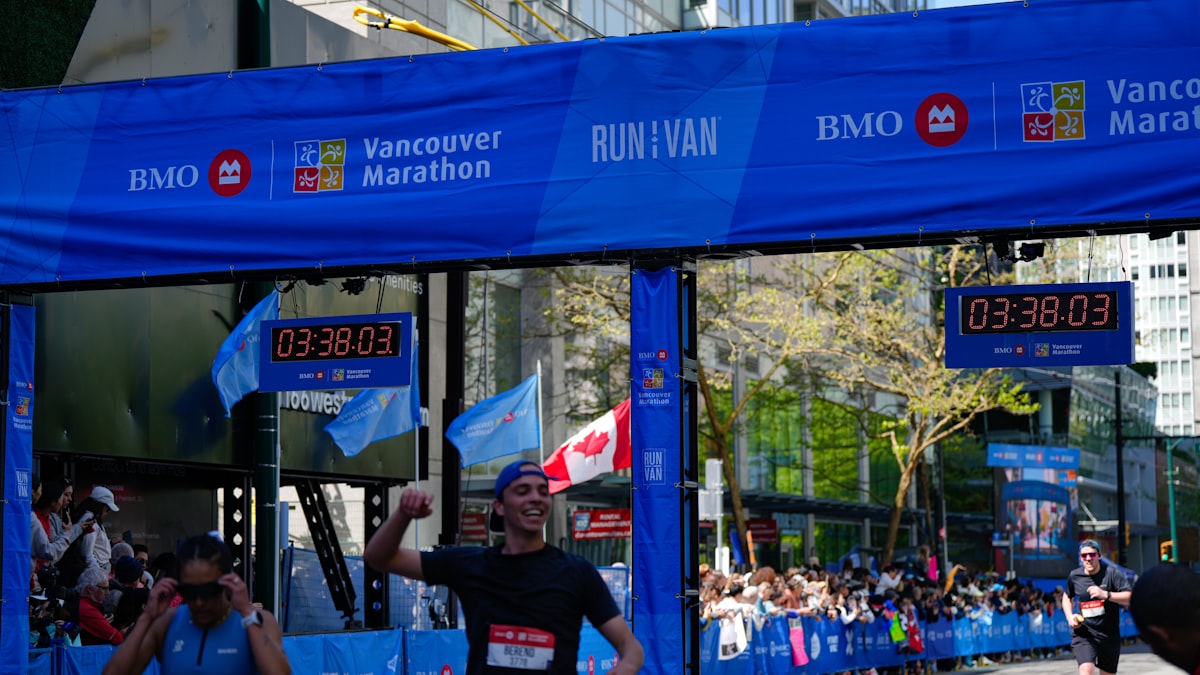
Destination marathons and races. You fly somewhere to run an organized event. The London Marathon, the Big Sur International Marathon, the Da Nang Marathon in Vietnam. Entry fees range from $50 to $250. You build 2-4 days around race day for travel, shakeout runs, and recovery.
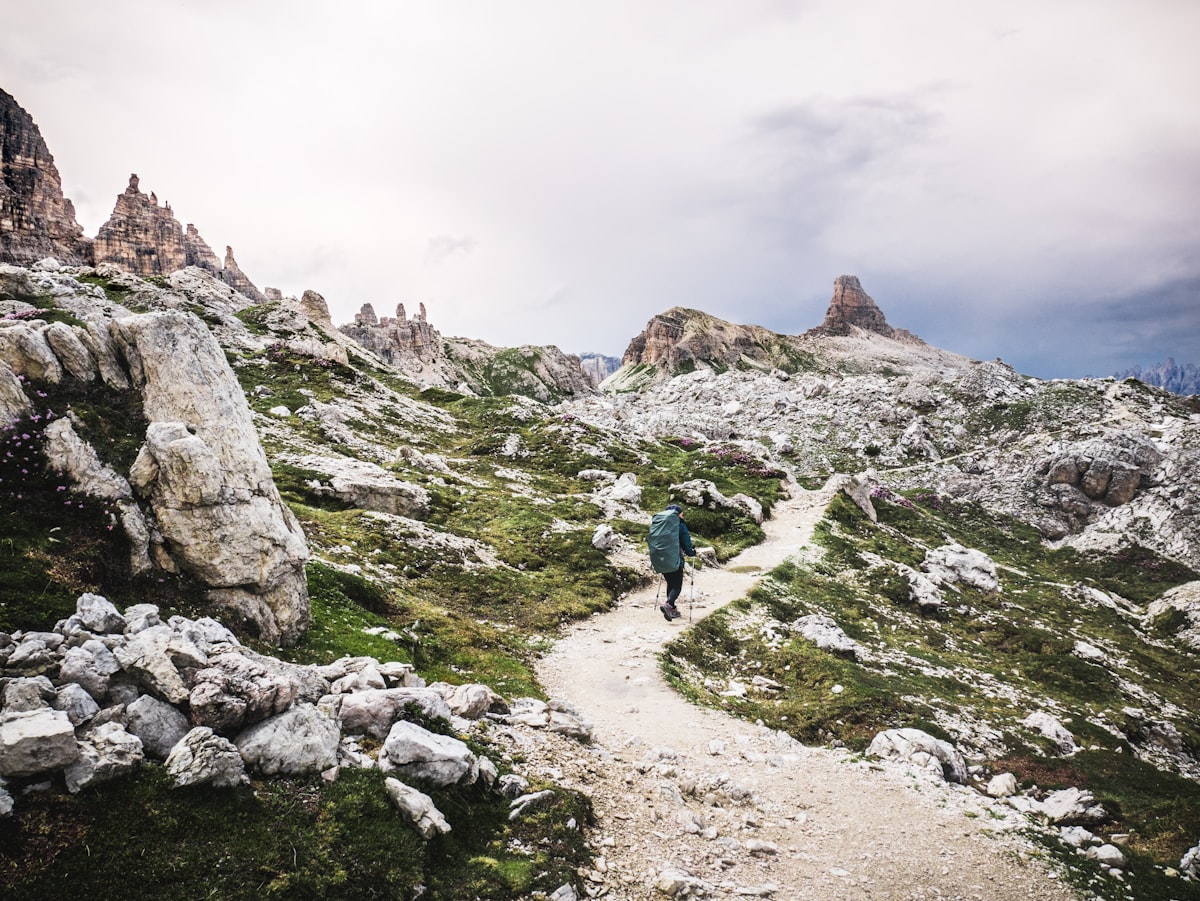
Trail running retreats. Multi-day running trips through mountain terrain, usually guided. The Dolomites hut-to-hut, Patagonia's Fitz Roy trails, the Tour du Mont Blanc from Chamonix. These run $1,500-$4,000 for 5-7 days including accommodation, meals, and guides.
Sightrunning. Running as a way to explore a city. No race, no guide. You lace up and cover 8-15km through neighborhoods you would otherwise take a taxi through. Tokyo, Lisbon, and Cape Town are built for this. Cost: nothing beyond your regular trip budget.
Casual running vacations. You are on a trip anyway and you want to run. The difference between this and sightrunning is intent. Here, running is a daily practice you maintain while traveling rather than the reason you booked the trip. Parks, waterfronts, and greenways become your routes.
The 2026 surge is driven by three forces. Running clubs grew 59% globally in 2024, creating communities that travel together. Airbnb and Strava data shows 74% of Gen Z travelers actively seek rural destinations with scenic trails. And the race industry is responding. New UTMB qualifying events launched in Quito, Ecuador in 2025, and trail running operators like Runcation Travel and Rogue Expeditions have doubled their trip calendars.
Runcations also overlap naturally with wellness travel. Many runners plan trips that double as recovery or reset periods. If that sounds like your style, the same planning principles apply to menopause wellness travel retreats and other active recovery formats.
Worth Knowing: Strava heatmaps show you exactly where runners are active in any city or trail system. Search your destination before you book to confirm there are real, runnable routes nearby.
12 Best Runcation Destinations for Every Kind of Runner
Destination Marathons
Big Sur, California. Often called the most scenic road marathon in the world. The point-to-point course runs along Highway 1, crossing the Bixby Bridge while a pianist plays a grand piano mid-course. Race entry: ~$185. Best time: April (race day). Budget: $120-180/day for accommodation and food along the central coast.
London Marathon. 50,000 runners past Tower Bridge, Canary Wharf, and Buckingham Palace. Entry is by ballot (apply October the year before) or charity place. Race entry: £49.99 ballot / £2,000+ charity. Budget: $150-220/day. Best time: April.
Maui Marathon. Sunrise start along the north shore of Maui. Volcanic rock, sugarcane fields, ocean views for 42km. Race entry: ~$150. Budget: $130-200/day. Best time: April.
Da Nang Marathon, Vietnam. Cross the Dragon Bridge at sunrise, then explore Hoi An (UNESCO World Heritage Site) post-race. Race entry: ~$50. Budget: $35-60/day. Best time: March (race month).
Jungfrau Marathon, Swiss Alps. Starts in Interlaken, climbs 1,829 metres into alpine meadows and snow-capped peaks. One of Europe's most famous mountain marathons. Race entry: ~CHF 130 (~$145). Budget: $180-250/day. Best time: September.
Trail Running
The Dolomites, Italy. Hut-to-hut trail running on the Alta Via 1. Guided packages run $2,200-$3,500 for 6-7 days including mountain refugio accommodation, meals, and baggage transfers. Self-guided options are cheaper at $1,200-$1,800. Best time: July-September.
Patagonia, Argentina. El Chalten offers an all-access running pass to Los Glaciares National Park. Run loops around Lagunas Capri, Madre, and Hija with Fitz Roy and Cerro Torre as your backdrop. Guided runcation packages: $2,500-$4,000 for 7 days. Best time: November-March.
Chamonix, France. The Tour du Mont Blanc is a 170km trail circling Western Europe's highest peak through France, Italy, and Switzerland. Self-guided trail running packages from $1,500 for 5-7 days. Best time: June-September.
If you know where you want to run but need help building the rest of the trip, Travel Anywhere matches accommodation and logistics to your race schedule so you can focus on training.
Asheville, North Carolina. The Appalachian Mountains offer trails for all skill levels within 30 minutes of downtown. No guided package needed. Stay in town ($80-130/night), drive to trailheads. Best time: April-October.
Sightrunning and Casual Runs
Tokyo, Japan. The Imperial Palace loop is a flat 5km circuit that every Tokyo runner knows. Yoyogi Park adds another 3.5km of car-free paths. Running stores near the palace even rent lockers and showers for Y800 (~$5). Budget: $100-160/day.
Lisbon, Portugal. The Tagus River waterfront is a flat, wide, 10km path from Belem to the Expo area. Hilly neighborhood runs through Alfama and Graca add elevation if you want it. Budget: $70-110/day.
Cape Town, South Africa. Sea Point Promenade is a flat, scenic 11km coastal path. Table Mountain trails are 20 minutes from the city center. Budget: $50-90/day.
How Do You Plan Your First Runcation in 6 Steps?
Step 1: Pick Your Run First
Start with the run, not the destination. Open your race calendar (Marathon Guide, UTMB World Series, parkrun's global event map) or browse Strava heatmaps and AllTrails for trail options. Your run type determines everything that follows. A destination marathon means fixed dates and logistics. A trail running trip means flexible timing but terrain-specific training. Sightrunning means almost zero planning overhead.
Step 2: Time It Right
Destination marathons have fixed dates. Register 6-12 months in advance for popular events. The London Marathon ballot opens in October for the following April. Big Sur sells out in under a week. UTMB qualifying races require even earlier planning.
Trail running has seasonal windows. The Dolomites are runnable July through September. Patagonia's window is November through March. Chamonix opens in June.
For sightrunning, check average temperatures and daylight hours. Running in 35C heat through Bangkok in April is a different experience than a 15C morning in Lisbon in October.
Pro Tip: Sign up for race alerts on Marathon Guide and UTMB World Series. Popular destination races sell out months before race day. Set a calendar reminder for registration opening day.
Step 3: Book Accommodation Within Running Distance
Stay within 15-30 minutes of your primary run. For a destination marathon, that means near the start line or along the course with easy transport access. For trail running, choose accommodation at trailheads or mountain huts along the route.
Book based on running access first: safe sidewalks or trails nearby, parks, waterfronts, greenways. Travel Anywhere finds accommodation near your start line or trailhead and builds your logistics around your race schedule.
Step 4: Plan Around the Run
A runcation is not a running camp. Build in recovery days, sightseeing, and good food. The standard runcation shape is 3-5 days: arrive the day before, run on day 2, recover and explore on day 3, optional second run or excursion on day 4.
For multi-day trail running trips, recovery is built into the daily schedule. Expect 4-6 hours of running or hiking per day with afternoons free at mountain huts or base camps.
Some runners also use runcations as a way to stay active while traveling with family. If you are planning to bring a multigenerational group, the logistics get more layered. The multigenerational family vacation planning guide covers how to structure trips when not everyone runs.
Step 5: Train for the Terrain
Altitude matters. If your runcation involves running above 2,000 metres (Jungfrau, Dolomites, Patagonia), arrive 1-2 days early to acclimatize. Reduce your pace by 10-15% for the first day at altitude.
Trail vs. road matters. If you train on flat pavement and show up for a mountain ultra, your quads will remind you of this mistake for a week. Add hill repeats and uneven terrain to your training 8-12 weeks before departure.
Heat matters. Running in tropical destinations (Da Nang, Maui, Cape Town in summer) requires heat acclimatization. Start with shorter runs in the heat 2-3 weeks before your trip.
Jet lag matters. If you are crossing 5+ time zones for a race, arrive 2-3 days early. Your body adjusts at roughly one time zone per day. Running a marathon on 4 hours of broken sleep because you landed yesterday is a recipe for a DNF and a miserable vacation.
Step 6: Register Early
Popular races sell out. London Marathon ballot: October. Big Sur: typically sells out within days of opening. UTMB events: 6+ months before race day. Trail running retreat operators like Runcation Travel and Rogue Expeditions fill their calendars by early spring for peak-season trips.
If you want Travel Anywhere to handle the full itinerary around your race, start the planning process at least 3 months before your travel date.
What Does a Runcation Actually Cost?
Nobody publishes real runcation costs. Here is what you will actually spend.
Budget Tier: $50-80/day
Da Nang, Vietnam. Race entry: ~$50. Accommodation: $15-30/night (hostels and guesthouses near the beach). Food: $10-15/day (banh mi for $1, pho for $2). Local transport: $5/day (Grab rides). Total for a 4-day runcation: $250-370.
Lisbon, Portugal. No race entry (sightrunning). Accommodation: $25-45/night (hostels in Baixa or Alfama). Food: $15-20/day (pastel de nata for 1.20, lunch menu for 8-12). Total for a 4-day runcation: $200-320.
Mexico City. Race entry (Mexico City Marathon): ~$40. Accommodation: $20-35/night (hostels in Roma Norte or Condesa). Food: $10-15/day (tacos al pastor for $1.50, comida corrida for $5). Total for a 4-day runcation: $200-300.
Mid-Range Tier: $100-150/day
Asheville, North Carolina. No race entry needed (trail running). Accommodation: $80-130/night (boutique motels, Airbnbs near downtown). Food: $25-35/day. Car rental for trailhead access: $40-60/day. Total for a 4-day runcation: $500-750.
Chamonix, France (self-guided). Package: $1,500-$1,800 for 5-7 days including mountain hut accommodation, route planning, and baggage transfers. Add $30-50/day for meals and transport. Total: $1,700-$2,200.
Big Sur, California. Race entry: ~$185. Accommodation: $100-160/night (limited options along Highway 1). Food: $30-40/day. Total for a 3-day runcation: $500-700.
Higher Tier: $150-250/day
Tokyo, Japan (sightrunning + marathon entry). Race entry (Tokyo Marathon): Y23,300 (~$155, if accepted by lottery). Accommodation: $80-150/night (capsule hotels to mid-range). Food: $30-50/day (convenience store onigiri for $1.50, ramen for $8, izakaya dinners for $20-30). JR Pass for 7 days: $200. Total for a 5-day runcation: $650-1,100.
Jungfrau Marathon, Swiss Alps. Race entry: ~$145. Accommodation: $120-200/night in Interlaken. Food: $40-60/day. Total for a 3-day runcation: $550-850.
Patagonia (guided). Guided package: $2,500-$4,000 for 7 days all-inclusive. Flights to El Calafate: $800-1,200 from North America. Total: $3,300-$5,200.
| Destination | Tier | 4-Day Total | Race Entry | Daily Budget |
|---|---|---|---|---|
| Da Nang, Vietnam | Budget | $250-370 | ~$50 | $35-60 |
| Lisbon, Portugal | Budget | $200-320 | Free (sightrunning) | $50-80 |
| Mexico City | Budget | $200-300 | ~$40 | $50-70 |
| Asheville, NC | Mid-Range | $500-750 | Free (trail) | $100-150 |
| Big Sur, CA | Mid-Range | $500-700 | ~$185 | $130-200 |
| Tokyo, Japan | Higher | $650-1,100 | ~$155 | $100-160 |
| Jungfrau, Swiss Alps | Higher | $550-850 | ~$145 | $180-250 |
DIY vs. Guided: The Real Difference
A self-guided Dolomites trail running trip costs $1,200-$1,800 for 6 days. A guided version of the same route costs $2,200-$3,500. You are paying $1,000+ for a guide who knows the terrain, handles logistics, and carries emergency gear. For beginners on technical mountain trails, that premium is worth it. For experienced trail runners, DIY saves real money.
Worth Knowing: Race entry fees often include extras you can skip paying for separately. Many destination marathons include a race expo, post-race meals, course support (water, nutrition), and sometimes local transit passes for race weekend.
What Should You Pack for a Runcation?
Pack like a runner who travels, not a traveler who might run. The goal is two runs plus one backup outfit. Anything beyond that is dead weight.
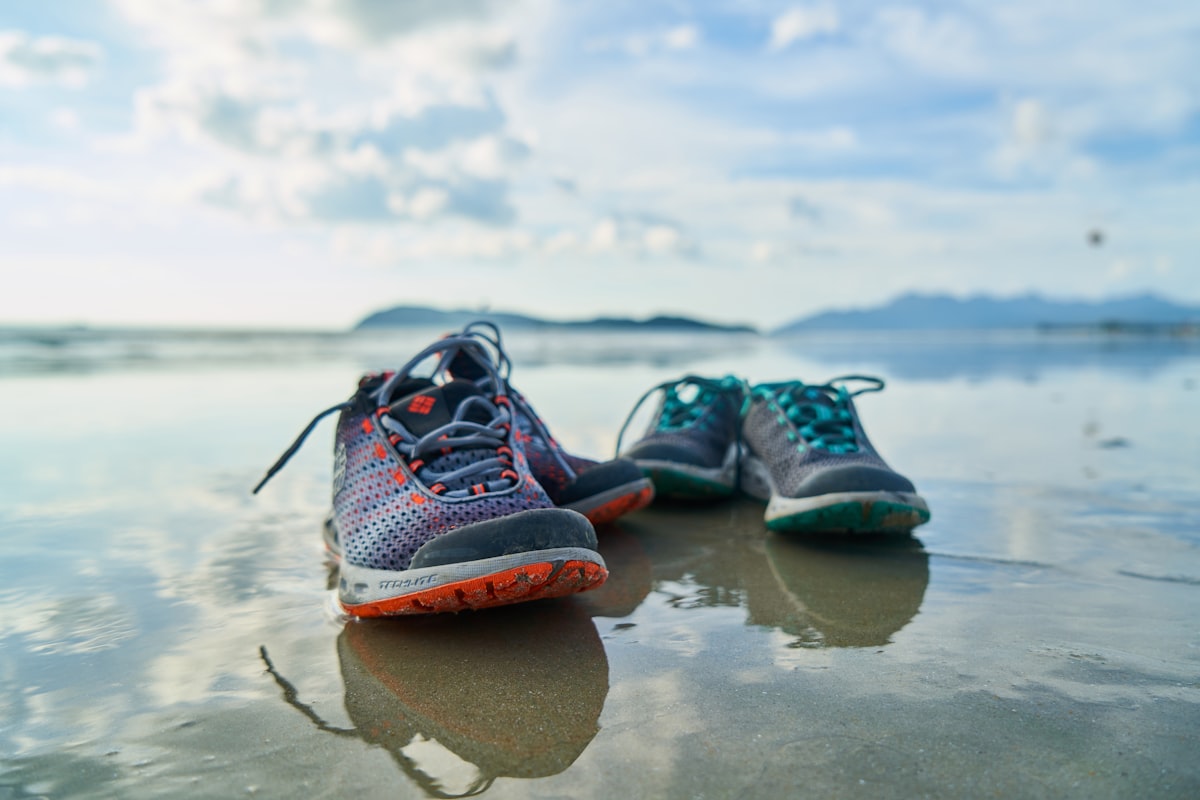
Shoes. Your primary pair (broken in, not brand new) plus one compact backup if you are running trails. Road runners can skip the second pair. Never race in new shoes.
Clothing by climate.
- Hot destinations (Maui, Da Nang, Cape Town): 2 lightweight singlets, 2 pairs of shorts, 1 pair of compression socks, sunglasses, running cap, SPF 50 sport sunscreen
- Cold or mountain destinations (Dolomites, Patagonia, Swiss Alps): 2 base layers, 1 wind-resistant running jacket, 2 pairs of tights or lined shorts, buff/neck gaiter, lightweight gloves, headlamp for early starts
- Mixed: Pack for the coldest morning you will run in. You can always take layers off.
Recovery kit. Travel foam roller stick (~$15, fits in a carry-on), 2 pairs of compression socks, electrolyte tablets (Nuun or SiS, 10-pack), ibuprofen.
Tech. GPS watch (charge it the night before every run), phone with offline maps downloaded (AllTrails for trails, Google Maps for city runs), portable charger. If your watch supports it, download the GPX file for your race course or trail in advance.
Race day extras. Race bib belt or pins, energy gels (bring your own brand, do not experiment on race day), body glide or anti-chafe balm, a clear plastic bag for gear check.
Travel insurance. Standard travel insurance rarely covers running injuries or race cancellations. World Nomads and SafetyWing both offer adventure travel policies that cover trail running, altitude sickness, and emergency evacuation from remote areas. If you are doing a guided trail runcation in the Dolomites or Patagonia, confirm your policy covers the activity at your planned altitude. Budget $40-80 for a 7-day adventure travel policy.
Laundry strategy. Pack for 2 runs plus 1 backup. Hand-wash running gear in the hotel sink with a travel detergent sheet (Sea to Summit makes packets that weigh nothing). Hang dry overnight. This lets you run every other day for a week with 3 sets of running clothes.
Running culture has expanded well beyond the early-morning miles. Many runners now seek destinations with great non-alcoholic nightlife and social scenes that match their training lifestyle. If that fits your travel style, the sober-curious travel destinations guide covers the best cities for alcohol-free social experiences alongside your running schedule.
Travel Anywhere Recommends: If you are running a destination marathon, let Travel Anywhere build your pre-race logistics. Expo pickup, start-line transport, and post-race recovery plans are the details that make or break race day.
FAQ: Runcation Questions Answered
What is a runcation?
A runcation is a vacation built around running. It can be a destination marathon, a trail running retreat, sightrunning through a new city, or maintaining your daily running practice while traveling. The run is the centerpiece of the trip, not an afterthought.
How much does a running vacation cost?
A budget runcation in Da Nang or Lisbon costs $200-370 for 4 days. A mid-range trail running trip in Chamonix runs $1,700-$2,200. A guided Patagonia runcation costs $3,300-$5,200 including flights. The biggest variables are destination, accommodation level, and whether you choose guided or self-guided.
What are the best marathon destinations in 2026?
Big Sur (April), London Marathon (April), Maui Marathon (April), Da Nang Marathon (March), and the Jungfrau Marathon (September) top the list for scenery and runner experience. Da Nang offers the best value at ~$50 entry and $35-60/day budget.
How do I train for a runcation at altitude?
If running above 2,000 metres, arrive 1-2 days early to acclimatize. Reduce your pace by 10-15% on day one. Add hill repeats to your training 8-12 weeks before departure. If you cannot train at altitude, simulated altitude training masks offer partial adaptation, though real altitude exposure is more effective.
Can I plan a runcation if I am a beginner runner?
Yes. Sightrunning requires no experience beyond being able to jog for 30-60 minutes. Many destination races offer 5K and 10K distances alongside the marathon. Parkrun has free 5K events in 2,300+ locations across 22 countries. Start with a parkrun runcation to test whether you enjoy running while traveling.
What should I pack for a running vacation?
Two running outfits plus one backup, your primary shoes (broken in), a recovery kit (foam roller stick, compression socks, electrolyte tablets), a GPS watch, and offline maps. Hand-wash gear in the sink to avoid overpacking. See the full packing list above for climate-specific recommendations.
Where Is Your Next Runcation?
The best thing about a runcation is that it makes running feel new again. A different route, a different climate, a different city unfolding under your feet at 6am. Whether you are chasing a marathon PR across the Bixby Bridge, running hut-to-hut through the Dolomites, or jogging the Imperial Palace loop in Tokyo before breakfast, the framework is the same: pick your run, build your trip around it, and pack light.
The runcation guide above gives you every destination, budget, and planning step you need. If you want to go from "I want to run somewhere" to "flights booked, accommodation sorted, race registered" without spending hours on logistics, Travel Anywhere handles the planning from training schedule to finish line.
Ready to make this trip happen? Travel Anywhere plans and books everything, start to finish.
Sources
- Strava Year in Sport Report: running club growth data and active travel trend statistics
- National Geographic: Running Vacations: "part sport, part pilgrimage" framing and active tourism trends
- UTMB World Series: qualifying event calendar including new 2025 Quito races
- Runner's World Races and Places: destination race reviews, course guides, and runner experience data
Some links in this post are affiliate links. We earn a small commission at no extra cost to you.

Rachel Caldwell — Editorial Director, TravelAnywhere
Rachel Caldwell is the Editorial Director of TravelAnywhere. She leads the editorial team behind every guide on travelanywhere.blog, focusing on primary research, honest budget math, and recommendations the team would book themselves. Last reviewed April 3, 2026.